




Understanding the Alert
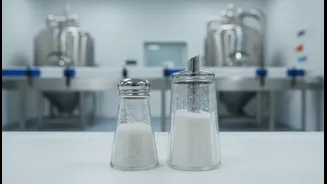
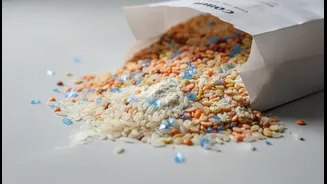
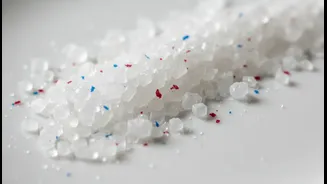
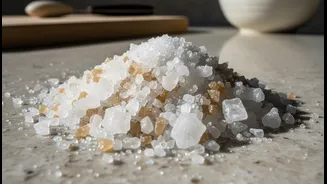
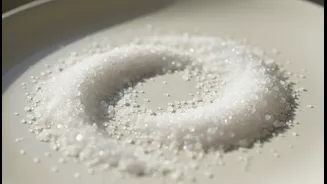
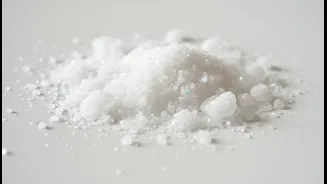
The 'alert' stems from studies, like one from the organization Toxics Link, which found that 100% of tested salt and sugar samples in India contained microplastics. These particles, smaller than 5mm, were present in all types—iodised, rock salt, sea salt, and various
sugars. They primarily enter our food supply through environmental pollution. Sea salt can become contaminated from polluted ocean water, while sugar may be exposed to plastic particles during processing and packaging. The result is that an average Indian might ingest a significant number of these particles daily from these two staples alone.
What Are the Health Risks?
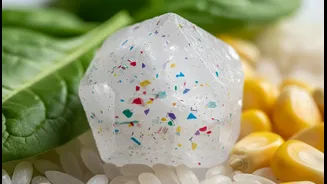
This is the critical question, and the science is still evolving. The World Health Organization (WHO) has stated that based on current limited evidence, microplastics in drinking water pose a low concern for human health, but more research is urgently needed, especially for smaller nanoparticles. However, other studies have raised alarms. Microplastics can carry harmful chemicals and have been linked in cellular and animal studies to issues like inflammation, cell damage, and hormone disruption. They have been found in human blood, lungs, and even the placenta. While there's no widespread panic from major health bodies, the potential for long-term health problems from chronic exposure is a serious concern that scientists are actively investigating.
Actionable Steps in Your Kitchen
While you can't eliminate microplastics entirely, you can significantly reduce your exposure. Start in the kitchen with simple swaps. Store food in glass, ceramic, or stainless steel containers instead of plastic ones. Never microwave food in plastic containers, as heat can cause millions of plastic particles to leach into your food; transfer it to a microwave-safe glass or ceramic dish first. When cooking, opt for wooden, metal, or glass utensils over plastic ones, and consider replacing scratched non-stick pans, which can release particles.
Making Smarter Shopping Choices
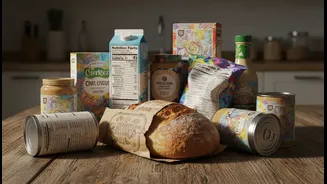
Your purchasing habits can also make a difference. When possible, buy food in glass jars or metal cans rather than plastic packaging. Some studies have found lower concentrations of microplastics in rock salt compared to processed iodised salt, and in organic sugar versus non-organic varieties. While not a guarantee, choosing these options might lower your intake. Filtering your tap water can also help reduce the amount of microplastics you consume from drinking water. Choosing fresh, unpackaged foods over highly processed items wrapped in multiple layers of plastic can further limit your exposure.
Beyond the Kitchen: A Broader Approach
Reducing microplastic exposure goes beyond just salt and sugar. Synthetic clothing like polyester and nylon shed plastic microfibers in the wash; washing them in cold water and air-drying when possible can help. Choosing clothing made from natural fibers like cotton and wool is another effective step. Furthermore, some research suggests that a diet high in fiber from fruits, vegetables, and legumes might help the body reduce microplastic absorption by trapping the particles in the gut. On a larger scale, regulatory bodies like the Food Safety and Standards Authority of India (FSSAI) are beginning to develop standardized methods for detecting and monitoring microplastics in the food supply, which is a crucial step toward creating effective regulations.