








What Are These New Labels?
For years, understanding the nutritional content of packaged foods meant turning the product over and deciphering a complex table. That is set to change with the introduction of Front-of-Pack Labelling (FoPL). After a long debate and consideration of various
systems, India's food regulator has proposed a clear and simple warning label system. The goal is to provide an at-a-glance signal about nutrients that are linked to health concerns like diabetes and heart disease when consumed in excess. This move places crucial health information right where shoppers can see it, empowering them to make faster, more informed choices in the supermarket aisle without needing a nutrition degree.
Decoding the Red Hexagon Warning
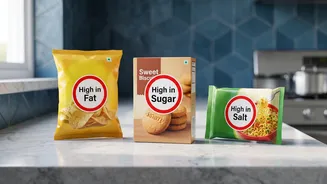
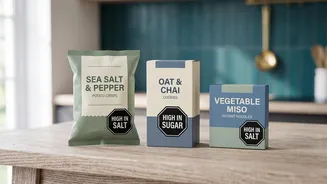
The proposed new system moves away from confusing star ratings and adopts a direct warning approach. Shoppers should look for a distinct symbol: a red hexagon on a white background, likely placed on the top-left corner of the package. This symbol will act as a warning sign. Inside the hexagon, text will clearly state if the product is “HIGH IN SUGAR,” “HIGH IN SALT,” or “HIGH IN FAT.” A key part of the new rule is its strictness: a product will receive this warning label if it breaches the official threshold for even a single one of these nutrients. If a product is high in both sugar and salt, for example, both warnings will appear inside the same red hexagon.
Why This Change Is Happening Now
This regulatory shift is a direct response to a growing public health crisis in India. The country is witnessing a significant rise in non-communicable diseases (NCDs) such as obesity, diabetes, and hypertension. These conditions are closely linked to diets high in processed foods that contain excessive amounts of sugar, salt, and unhealthy fats. Health experts and public interest groups have long advocated for a clearer labelling system to help consumers navigate their food choices better. The new labels are seen as a critical policy tool to not only inform the public but also to encourage food manufacturers to reformulate their products to be healthier.
How to Use These Labels as a Shopper
The presence of a red warning label doesn't mean you must ban the food from your cart entirely. Rather, it’s a tool for awareness and balance. You can use the labels to quickly compare two similar products—for instance, two brands of biscuits or breakfast cereals—and choose the one without the warning, or with fewer warnings. It also helps in managing your overall diet. If you choose a snack with a “HIGH IN SUGAR” warning, you might decide to balance it by limiting other sugary foods for the rest of the day. The labels are about providing transparency, allowing you to make a conscious choice based on your dietary goals and health needs.
What Else to Look For
Alongside the main warnings for fat, salt, and sugar, the new regulations will also bring other changes. One significant addition is for products containing artificial sweeteners. These items will be required to display a prominent front-of-pack declaration stating that they contain a “NON-CALORIC SWEETENER.” This information was previously often found only in the fine print on the back. It’s also important to remember that these labels apply to nutrients of concern added during processing. Certain products like pure ghee, oil, jaggery, and honey will be exempt. The key is to see these labels as one part of the larger nutritional puzzle, which also includes reading the full ingredients list and understanding serving sizes.
The Road Ahead for Labels
The FSSAI has proposed the new framework to the Supreme Court and is expected to finalize the regulations after a period of public and stakeholder consultation. Once the rules are officially notified, food companies will be given a transition period to update their packaging. This means you may not see these labels on shelves immediately. However, their introduction marks a major step forward for consumer health in India. As they begin to roll out, they will equip millions of shoppers with the clear, simple information needed to build a healthier food environment for themselves and their families.