





The Search for the Spectacular
We are conditioned to chase the extraordinary. Our wildlife fascination often revolves around a checklist of 'headline' animals: the majestic, the rare, the dangerous. We book flights to faraway lands hoping for a fleeting glimpse of a lion, or trek for hours
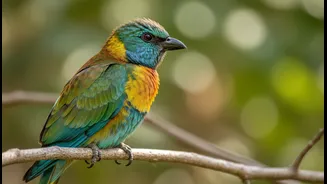
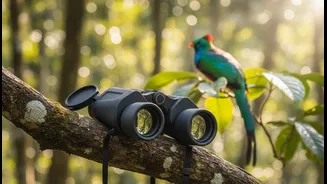
to see a specific eagle. Nature documentaries, with their stunning slow-motion footage of dramatic hunts, reinforce this idea. The underlying message is that for a wildlife experience to be meaningful, it must be exceptional. This pursuit, while exciting, can make us blind to the rich tapestry of life that exists right under our noses. It sets up a false hierarchy where a pigeon is 'boring' and a paradise tanager is 'brilliant', based on little more than scarcity and vibrant plumage.
A Hidden World in Plain Sight
The secret is that the complexity and drama are not exclusive to exotic locations. The common crow, for instance, is a marvel of intellect. Crows are known to live in close-knit family groups, use tools, and even recognise individual human faces, remembering who has been kind and who has been a threat. They have a complex system of communication and can solve problems that rival the ability of a young child. Then there is the humble squirrel, often seen as a common fixture of parks and gardens. These animals engage in elaborate games of deception, creating fake caches to trick potential food thieves. They have an impeccable spatial memory for where they’ve buried thousands of nuts and navigate the world with an acrobatic flair that is breathtaking if you simply stop to watch. These are not just animals; they are characters in a story.
How to Watch: The Art of Observation
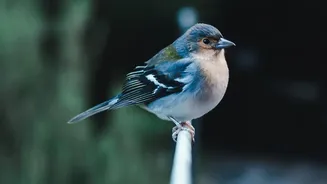
Appreciating common species requires a shift not in location, but in mindset. It’s about trading the camera lens for patience and the checklist for curiosity. The first step is simple: stop and look. Find a comfortable spot in a park, on a balcony, or by a window. Put your phone away. Instead of just seeing a sparrow, watch what it does. Who does it interact with? Where does it find its food? Is it gathering materials for a nest? You'll start to notice patterns. Maybe one squirrel is the dominant one at the feeder. Perhaps two pigeons are engaged in an elaborate courtship dance. You don't need expensive equipment, just a willingness to be quiet and patient. The reward is a connection built over time, an understanding of the rhythms of your local environment.
The Daily Soap Opera of the Garden
Once you start observing, you’ll find that your backyard or local park is hosting a long-running drama series. The seemingly chaotic squabbles of sparrows at a bird feeder are, in fact, assertions of a complex social hierarchy. The crow that calls from a lamppost might be a sentinel, warning its family of a nearby cat. You begin to recognise individuals, not just species. That pigeon with the one ruffled feather becomes a familiar face. You'll witness territorial disputes, parenting struggles, moments of cooperation, and ingenious survival tactics. This is not just 'watching animals'; it is reading a story, one that unfolds in real-time and makes you feel more connected to the place you live. It transforms a simple walk into an engaging narrative experience.
More Than Just a Hobby
This practice of quiet observation has profound benefits for our well-being. Being in nature, even in a small urban park, is proven to reduce stress, anxiety, and depression. Focusing on the small details of an animal’s behaviour is a form of mindfulness, pulling you into the present moment and away from daily worries. It hones your observation skills, making you more aware of your surroundings in all aspects of life. Furthermore, developing an appreciation for the wildlife around you often fosters a deeper commitment to conservation. When you have a personal connection to the sparrows and squirrels in your neighbourhood, you become more invested in protecting the green spaces they—and we—all depend on.