





The Great Spice Misunderstanding
The world of food has never been more exciting, with a kaleidoscope of condiments from around the globe finding their way onto our tables. From smoky chipotle aioli to fiery ghost pepper salsa, the options are endless. Yet, with this explosion of flavour
comes a common problem: the language used to describe heat is frustratingly imprecise. A single chilli icon or the word ‘hot’ on a menu or bottle means different things to different people. What one person considers a pleasant warmth, another experiences as a five-alarm fire. This isn't just about preference; it's rooted in biology.
The Science of a Sensation
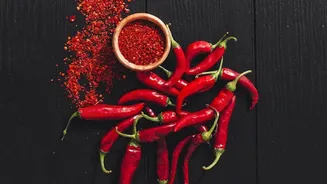
Spiciness isn't technically a taste like sweet, sour, or salty. The burning sensation comes from a compound called capsaicin, which tricks our brain. Capsaicin binds to pain receptors in our mouth, called TRPV1, which are the same receptors that detect actual heat. Your brain gets a signal that you've touched something dangerously hot, triggering responses like sweating or a runny nose. Our tolerance to this sensation is highly individual. Genetics plays a significant role, determining the number and sensitivity of these receptors. Furthermore, repeated exposure to capsaicin can desensitize these receptors over time, which is why someone who eats spicy food regularly can handle more heat. Some people are even psychologically wired to enjoy the thrill, a phenomenon known as 'benign masochism'. This vast biological and psychological diversity is precisely why a one-size-fits-all approach to heat fails.
Clarity Is a Form of Hospitality
Given the personal nature of spice tolerance, clear labelling is more than a trivial detail—it's a fundamental aspect of good service. Restaurants and food producers are already expected to label for common allergens like nuts or gluten, because providing that information ensures a safe and pleasant experience. Applying the same logic to heat levels just makes sense. When a customer knows what they are getting, they can make an informed choice, leading to greater satisfaction and trust in the brand. Vague descriptions create a gamble, and a bad experience with overwhelming heat can deter a customer from returning. Clear labelling respects the diner's individual palate and empowers them to choose confidently.
What Better Labels Look Like
So, what constitutes a 'clear' label? While the Scoville scale is the scientific standard for measuring capsaicin concentration in Scoville Heat Units (SHU), its numbers—ranging from a jalapeño's 5,000 to a Carolina Reaper's 2 million—can be abstract for the average person. A more practical approach combines descriptive language with a simple, intuitive scale. For example, instead of just 'Spicy Sauce', a label could read: 'Smoky Habanero & Pineapple Hot Sauce (Heat Level: 4/5)'. This tells the customer about the flavour profile (smoky, fruity) and provides a relatable measure of intensity. Using flavour notes alongside a numbered scale manages expectations far more effectively than a generic warning.
The Power of Putting People in Control
The ultimate solution, however, lies in the first part of the headline: adjustable heat. By serving a dish with its core flavours intact and offering a caddy of clearly labelled hot sauces, chilli oils, or spice blends on the side, establishments can cater to everyone at the table. This approach puts the power of personalization directly into the hands of the consumer. The spice lover can dial up the intensity to their heart's content, while their heat-averse friend can enjoy the same base dish without fear. It’s an inclusive model that acknowledges diversity in taste and transforms the meal from a potential challenge into a customizable experience.