





It’s Not Just White Boxes
Let’s get one thing straight: modern minimalism isn't the cold, sterile laboratory it’s often made out to be. The stereotype of a bare white room with a single, uncomfortable chair is a relic. Today’s minimalism is warm, textured, and deeply personal.
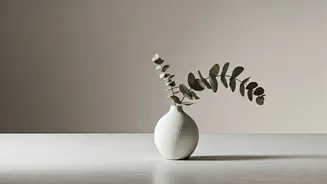
Think of it less as deprivation and more as curation. The focus is on natural materials like wood, linen, and stone, which bring organic warmth into a space. It’s about the subtle interplay of light and shadow, the feel of a thick wool blanket, or the beauty of a single, perfectly crafted ceramic vase. The goal isn’t emptiness; it’s to create a backdrop where the things you truly love—be it a piece of art, a beautiful view, or the people in the room—can take center stage without competing for attention.
A Reset Button for a Chaotic World
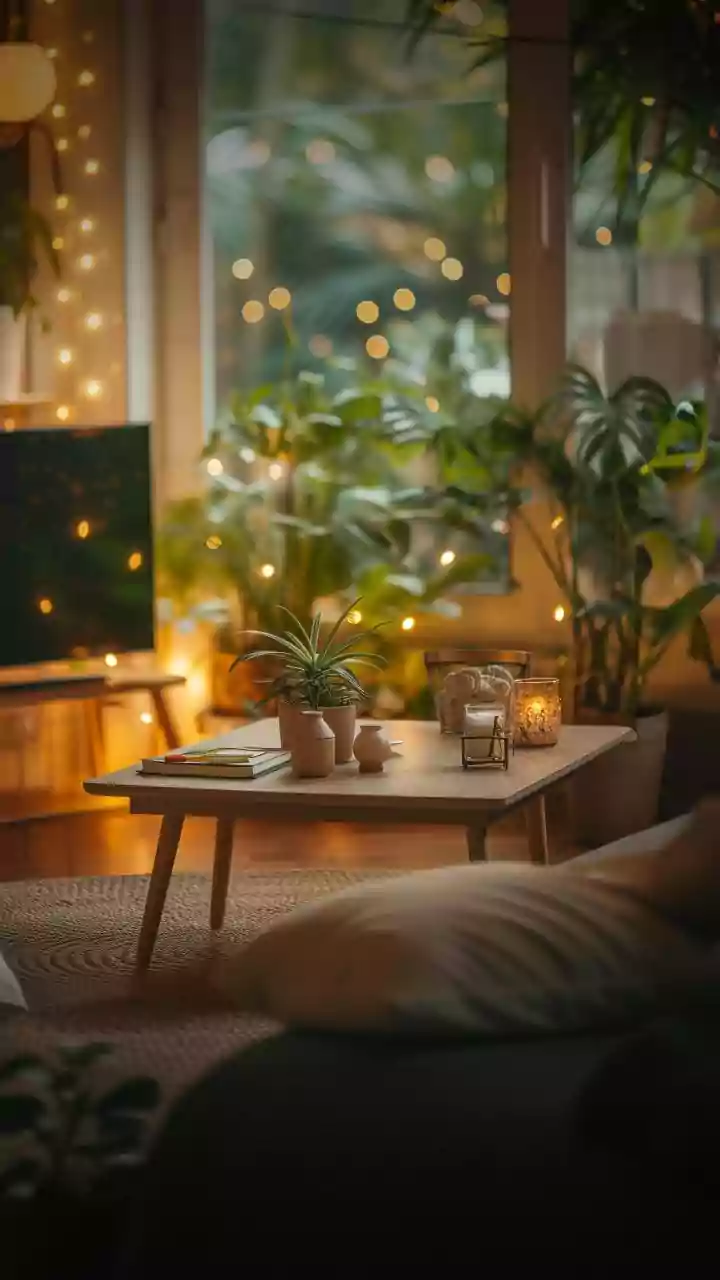
The enduring appeal of minimalism has less to do with aesthetics and more to do with psychology. We live in an era of information overload, digital clutter, and constant decision fatigue. Our phones buzz with notifications, our inboxes are never empty, and our attention is perpetually fragmented. A minimalist home acts as a powerful antidote to this external chaos. Coming home to a space that is visually calm and uncluttered allows your brain to switch off and reset. By reducing the number of objects vying for your attention, you reduce your cognitive load. This isn’t just about tidiness; it's about creating a sanctuary where you can find clarity and peace. In a world that demands more, more, more, a minimalist space quietly offers less, but better.
The Appeal of Intentional Consumption
Minimalism has also found a powerful ally in the growing movements toward sustainability and conscious consumerism. The philosophy encourages you to invest in fewer, higher-quality items that are built to last, rather than accumulating cheap, disposable goods. This shift from quantity to quality has both economic and environmental benefits. It means less waste heading to landfills and less money spent on replacing broken or trendy items that quickly fall out of fashion. While a single, well-made piece of furniture might have a higher upfront cost, it's an investment that pays dividends over time. This approach rejects the fast-fashion model of home décor and embraces a more thoughtful, intentional way of living. It asks a simple but profound question: Do I truly need this, and will I love it for years to come?
But Where’s the Personality?
The biggest criticism leveled against minimalism is that it’s boring or lacks personality. This is where maximalists and minimalists find their great divide. But the critique misses the point. Minimalism doesn’t erase personality; it highlights it. In a cluttered room, a treasured family heirloom, a favorite book, or a stunning piece of art can get lost in the noise. In a minimalist space, that same object is given the visual space to breathe and be appreciated. Your personality is expressed through the careful selection of what remains. It’s in the single photograph on the wall that means the world to you, not the gallery wall of generic prints. It’s in the handmade mug you use every morning, not the cupboard overflowing with novelty cups. It’s a quiet, confident form of self-expression, not a loud shout.