




Why Your Pot's Bottom Matters Most
The key to successful saffron rice isn't a rice cooker, but a simple pot with a heavy, thick base. Thin pots heat unevenly, creating 'hot spots' that scorch the bottom layer of rice before the rest has a chance to cook. A heavy-bottomed pot, whether it's
stainless steel with a tri-ply base or enameled cast iron, distributes the flame's heat gently and evenly. This prevents burning and ensures every grain cooks at a steady, controlled temperature, which is crucial for the absorption method where rice simmers slowly. A wide, heavy pot also provides a shallow bed for the rice, allowing it to steam uniformly rather than compacting into a dense, wet column.
The Foundation: Rice Prep and Saffron Blooming
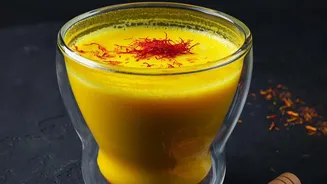
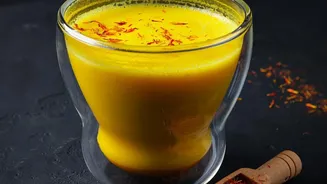
Before you even turn on the stove, two steps are non-negotiable. First, rinse your long-grain basmati rice under cold water until the water runs clear. This removes excess surface starch that causes stickiness and results in separate, fluffy grains. Soaking the rice for at least 30 minutes is also highly recommended, as it helps the grains elongate and cook more evenly. Second, you must 'bloom' the saffron. Simply adding dry threads to the pot results in uneven colour and flavour. Instead, gently crush a pinch of saffron threads and steep them in a few tablespoons of warm (not boiling) water or milk for 15-20 minutes. This process draws out the saffron's signature golden hue, aroma, and flavour, allowing it to infuse the entire dish.
The Absorption Method, Simplified
This technique is all about letting the rice absorb a precise amount of liquid. While ratios can vary slightly based on the age of the rice, a reliable starting point for unsoaked basmati is 1 cup of rice to 1.5–1.75 cups of water. If you've soaked your rice, you'll need slightly less water. You can start by sautéing aromatics like finely chopped onion in ghee or oil directly in your pot. Some cooks like to lightly toast the drained rice for a minute to coat the grains before adding liquid, which adds flavour and helps keep them separate. Then, pour in your cooking water along with the entire saffron infusion—liquid and threads included. Bring the pot to a boil, give it one final, gentle stir, then immediately reduce the heat to the lowest possible setting.
The Art of 'Dum': Trapping the Steam
The final stage of cooking happens off direct heat, powered by steam. This is where the 'dum' or 'dum pukht' technique, a cornerstone of Indian cooking, comes into play. As soon as you lower the heat, cover your pot with a tight-fitting lid. A loose lid allows steam—and therefore moisture—to escape, resulting in dry or unevenly cooked rice. To create a perfect seal, you can line the lid with a clean kitchen towel or even use a strip of 'atta' dough around the rim, a traditional method. Let the rice simmer undisturbed on the lowest heat for about 12-15 minutes, or until all the water is absorbed. Absolutely do not peek; lifting the lid releases the precious steam that is finishing the cooking process.
Patience Is the Final Ingredient
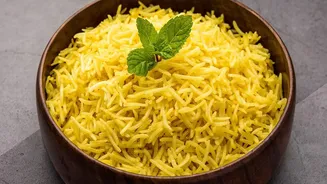
Once the simmering time is up, turn off the heat but do not lift the lid. Let the pot stand, covered and undisturbed, for another 5 to 10 minutes. This resting period is critical. It allows the residual steam to gently finish cooking the grains and lets them firm up, preventing them from breaking. After the rest, you can finally open the pot. Use a fork, never a spoon, to gently fluff the rice from the edges inward. This separates the long, delicate grains without mashing them. You will be rewarded with a pot of fragrant, perfectly cooked saffron rice, proving that the best results often come from simple tools used with the right technique.