


The Deceptive Dangers of Wet Roads
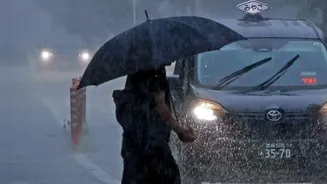
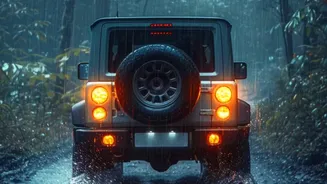
Monsoon driving isn't just about dealing with rain; it's about navigating what the rain leaves behind. Waterlogged streets are a primary hazard, concealing deep potholes, open manholes, or sharp debris that can cause severe damage to your vehicle's tyres,
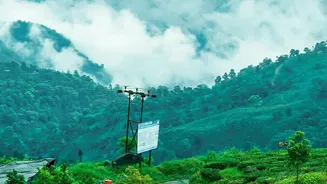
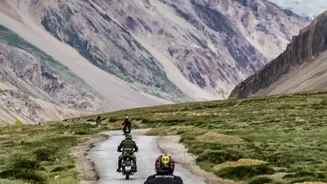
suspension, or engine. Hitting a hidden pothole at speed can even lead to a loss of control. The mix of rainwater with oil and dust on the road creates a slick film, significantly reducing tyre grip and increasing your vehicle's stopping distance. This phenomenon, known as hydroplaning, can occur when a layer of water builds up between your tyres and the road surface, causing the vehicle to skid uncontrollably. In hilly regions like the Himalayas and Western Ghats, the danger escalates to landslides, which can block roads for days without warning.
Your Pre-Trip Digital Reconnaissance
Gone are the days of driving into the unknown. Before you leave, a multi-layered digital check is essential. Start with real-time navigation apps like Google Maps or Waze, which use crowd-sourced data to show traffic jams and diversions. However, for more authoritative information on national highways, the government's 'Rajmargyatra' app is a crucial tool. It provides updates on road work, closures, and real-time weather conditions. Another vital resource is the India Meteorological Department (IMD), whose website and social media channels issue warnings for heavy rainfall and potential flooding. For the most immediate, on-the-ground updates, turn to the social media accounts (particularly X, formerly Twitter) of the state and city traffic police departments along your route. They often post real-time information on blockages and waterlogging.
Monsoon-Proofing Your Vehicle
A pre-monsoon vehicle check goes beyond routine maintenance. Your tyres are the single most important safety component. Ensure they have a tread depth of at least 3mm, as worn tyres are a primary cause of skidding on wet roads. Your braking system is next; stopping distances increase on wet surfaces, so if you notice any squealing or reduced response, get your brakes inspected. Visibility is paramount. Check every single light on your vehicle—headlights, tail lights, brake lights, and indicators—as they ensure other drivers can see you in heavy downpours. Wiper blades often degrade in the summer heat, so replace them if they leave streaks or judder across the windshield. Finally, check your battery, as moisture and cold starts during the monsoon can cause older batteries to fail unexpectedly.
Smart Driving Techniques for the Rain
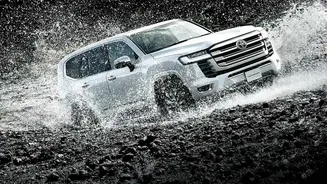
Once on the road, adjust your driving style for the conditions. The most important rule is to reduce your speed; driving slower gives you more time to react to hazards and helps prevent hydroplaning. Maintain a greater distance from the vehicle in front of you to account for longer braking distances. Always use your low-beam headlights in the rain, not high beams, which can reflect off the water droplets and worsen visibility. If you encounter a waterlogged stretch of road, the safest decision is to turn back. It's impossible to gauge the depth or see hidden dangers. Driving through deep water can cause the engine to stall from hydrostatic lock, leading to permanent and expensive damage. If you must cross a shallow puddle, do so slowly in a low gear while keeping the engine revs up to prevent water from entering the exhaust.
Pack an Emergency Monsoon Kit
Traffic jams and breakdowns are more common during the monsoon. Being prepared for a long wait can make a significant difference. Always keep your fuel tank topped up before heading out. Your in-car emergency kit should be specifically adapted for the season. Essential items include a powerful flashlight, a first-aid kit, a tow rope, and a reflective warning triangle. Also pack a phone charger or power bank, an umbrella, a towel, and some non-perishable snacks and drinking water. These simple provisions can provide comfort and safety if you find yourself stranded due to a road closure or vehicle issue.