






The First Rule: Read the Care Label
Before you do anything, check the garment's care label. This is the manufacturer's specific instruction for that item. Some modern woollens are treated to be machine washable, often indicated by a 'Superwash' label or a machine wash symbol. If the label says
'Dry Clean Only', it is best to trust the experts, as the garment may have a structure that water can damage. For everything else, a gentle hand wash is usually the safest and most effective method.
Hand-Washing: The Gold Standard
Hand-washing gives you the most control and is the gentlest way to clean most wool clothes. Fill a clean basin with lukewarm water, around 30°C. Hot water is the number one cause of shrinking and felting, as it causes the wool's natural fibres to lock together. Add a small amount of a pH-neutral, wool-specific detergent. Turn the garment inside out, submerge it, and let it soak for about 10 minutes. Avoid vigorous rubbing or twisting. Gently squeeze the suds through the fabric. Drain the soapy water and rinse thoroughly with clean, lukewarm water until the soap is gone, then follow with a final cold water rinse.
Machine Washing (With Caution)
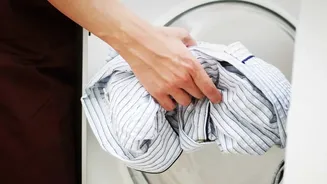
If your garment's label confirms it's machine washable, you can proceed with care. Turn the item inside out and place it in a mesh laundry bag to reduce friction and pilling. Select your machine's dedicated wool cycle. If it doesn't have one, use the delicate or hand-wash setting with cold water. A low spin speed is crucial; a maximum of 600 rotations per minute is recommended to avoid stretching the fibres. This method is best for garments specifically designed for machine care.
Choosing the Right Detergent
Regular laundry detergents are too harsh for wool. Their enzymes and chemicals can strip the natural oils from the fibres, causing damage. Always use a mild, pH_neutral liquid detergent specifically formulated for wool or delicates. Look for products approved by Woolmark for a trusted option. In a pinch, a gentle baby shampoo can also work. Some speciality wool washes even contain lanolin to help condition the fibres, keeping them soft.
The Art of Drying Wool Correctly
How you dry wool is just as important as how you wash it. Never put a wool garment in a tumble dryer unless the care label explicitly permits it. The combination of heat and tumbling is a recipe for irreversible shrinkage. Also, never wring out or hang a wet wool sweater. The weight of the water will stretch the fibres and distort the garment's shape. Instead, gently squeeze out excess water. Lay the garment flat on a clean, dry towel. Roll the towel and sweater together like a swiss roll and press firmly to absorb more water. Then, unroll it, reshape the garment on a fresh dry towel or a mesh drying rack, and let it air dry flat, away from direct sunlight or heat.
How Often to Wash Wool
One of wool's best properties is that it's naturally odour and stain-resistant, meaning it doesn't need to be washed after every wear. In fact, washing it too often can wear it out. Unless it's visibly soiled, simply airing out your wool garment for 24 hours between wears is often enough to freshen it up. This simple step reduces laundry load, saves energy, and extends the life of your favourite clothes.