







The Unsung Hero of Nutrition
So, what exactly is this wonder nutrient? Dietary fibre is a type of carbohydrate found in plant-based foods like fruits, vegetables, grains, and legumes. Unlike other carbs, your body can't digest or absorb it. Instead, it passes relatively intact through
your digestive system. [10, 22] This might not sound glamorous, but its journey through your body is precisely what makes it a powerhouse for your health, influencing everything from digestion and weight to your risk of chronic diseases. [2, 12] Think of it as the tireless support crew for your body's complex internal machinery.
The Two Faces of Fibre
Fibre isn't a monolith; it comes in two main forms, and you need both. **Soluble Fibre:** This type dissolves in water to form a gel-like substance in your stomach. [5, 10] This gel slows down digestion, which helps you feel fuller for longer and prevents sharp spikes in blood sugar. [3, 4, 17] It's also fantastic for heart health, as it can help lower 'bad' LDL cholesterol levels. [5, 22] You'll find it in oats, barley, apples, carrots, beans, and lentils. [5, 6] **Insoluble Fibre:** This type does not dissolve in water. Its main job is to add bulk to your stool, which promotes regular bowel movements and helps prevent constipation. [4, 10, 22] Think of it as a natural 'scrubbing brush' for your intestines. Good sources include whole-wheat flour, nuts, cauliflower, and green beans. [5, 6]
The 'Shortcut' to Better Health
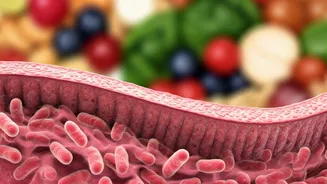
Calling fibre a 'shortcut' isn't about magic, but efficiency. By focusing on this single nutrient, you unlock a cascade of benefits. It's one of the simplest ways to manage weight, as high-fibre foods increase feelings of fullness, which can naturally reduce your overall calorie intake. [3, 7, 15] Beyond weight, fibre is crucial for gut health, acting as a prebiotic to feed the beneficial bacteria in your gut. [13, 17] A high-fibre diet is also linked to a lower risk of developing serious conditions like heart disease, type 2 diabetes, and certain types of cancer. [2, 5, 12] It helps stabilise blood sugar levels, improve cholesterol, and maintain regular digestion—multiple wins from a single dietary focus. [2, 14]
Are You Getting Enough?
Despite its importance, most people aren't eating enough fibre. The Indian Council of Medical Research (ICMR) suggests adults should aim for about 25 to 40 grams of fibre per day, depending on factors like age and activity level. [9, 16, 25] However, studies show that the average intake in India is often only around 15 grams per day, especially in urban areas where processed foods are more common. [9, 25] This 'fibre gap' contributes to a rise in lifestyle diseases, making a conscious effort to boost your intake more important than ever.
Putting Fibre on Your Plate in India
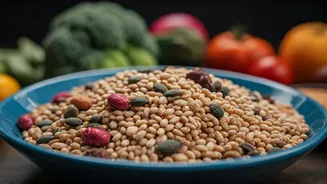
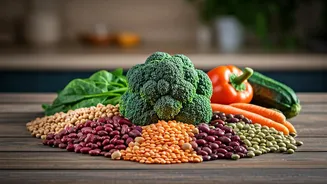
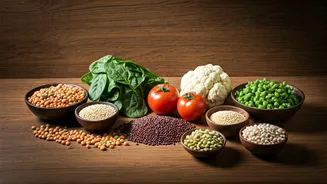
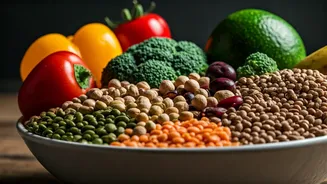
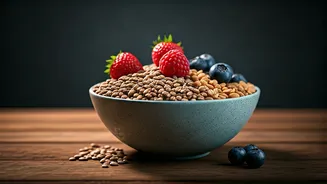
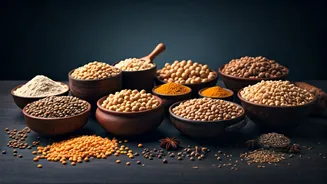
The good news is that a traditional Indian diet is naturally rich in fibre. The key is to embrace whole foods. * **Whole Grains:** Swap white rice for brown or red rice. Choose rotis made from whole wheat (atta), jowar, bajra, or ragi instead of refined maida. [8, 20, 21] * **Pulses and Legumes:** These are fibre superstars. Make dal, chana, rajma, and sprouts a daily feature of your meals. They are packed with both fibre and protein. [8, 11, 19] * **Vegetables:** Fill half your plate with vegetables. Bhindi (okra), beans, carrots, spinach, and sweet potatoes are all excellent sources. [11, 19, 20] * **Fruits:** Snack on fruits with edible skins like apples, pears, and guavas, which are particularly high in fibre. Bananas and papayas are great options too. [8, 20] * **Nuts and Seeds:** A handful of almonds or walnuts, or a sprinkle of flax or chia seeds over your breakfast, can easily add a fibre boost. [8, 24]