



The Indoor Watering Dilemma
For many apartment dwellers, the dream of a verdant indoor oasis often wilts in the face of a busy reality. It is a familiar story: one week you forget to water your plants, and the next you overcompensate, leaving them in a soggy mess. This inconsistency
is stressful for plants. Traditional top-watering can be a guessing game; water might run straight through without reaching the roots, or it can compact the soil and lead to root rot, the most common killer of indoor plants. Plants, especially the tropical varieties we love indoors, thrive on consistency, something that is hard for human caregivers to provide perfectly.
Enter Sub-Irrigated Planters
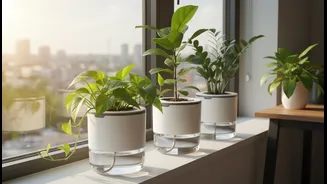
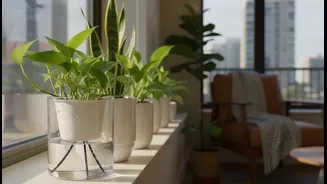
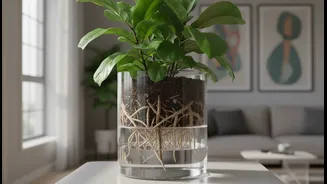
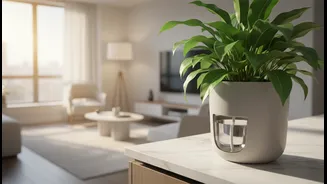
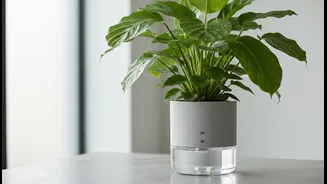
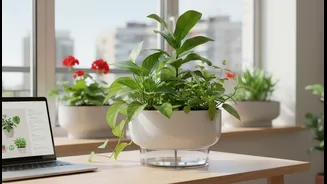
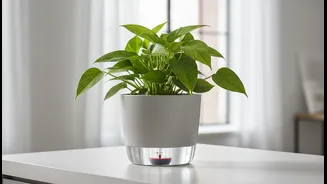
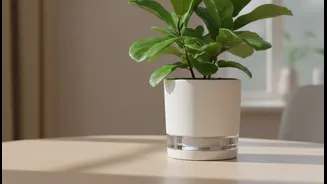
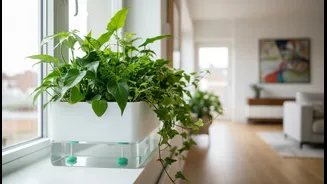
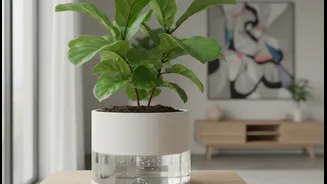
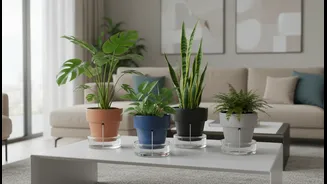
Sub-irrigated planters, often called SIPs or self-watering planters, are designed to eliminate this guesswork. The concept is simple yet ingenious: instead of watering from the top, these planters water plants from below. Each pot contains a built-in water reservoir at the bottom, separate from the main soil compartment. A wicking system, which could be a fabric cord or a column of soil, connects the reservoir to the potting mix. This setup mimics how plants in nature access groundwater, allowing them to draw moisture as needed and creating a much more stable environment.
The Science of Capillary Action
The magic behind sub-irrigation is a scientific principle called capillary action. This is the same force that allows a paper towel to soak up a spill or a tree to pull water from its roots to its highest leaves. Water molecules are naturally attracted to each other and to the surfaces of other materials. In a SIP, this force pulls water from the reservoir up through the narrow spaces in the wicking system and into the soil particles. The plant's roots then absorb the moisture as required. The system is demand-driven; the plant takes exactly what it needs, when it needs it, preventing both drought stress and waterlogging.
Benefits Beyond Consistent Moisture
The primary advantage of SIPs is consistent soil moisture, which leads to healthier, less stressed plants. But the benefits don't stop there. Because the plant regulates its own water intake, the risk of overwatering and root rot is dramatically reduced. Watering becomes less frequent—instead of watering every few days, you might only need to fill the reservoir every week or two. This also conserves water, as less is lost to evaporation or spillage. Furthermore, since you aren't flushing the soil with top-watering, essential nutrients are retained in the pot for longer, leading to more robust growth.
Perfect for the Apartment Gardener
For anyone living in an apartment, especially with a busy schedule or a tendency to travel, SIPs can be a game-changer. They offer a low-maintenance solution that fits a modern lifestyle, removing the daily anxiety about plant care. These planters are also cleaner, as there is no overflowing water to create a mess. Because the system creates a stable root environment, plants are generally healthier and less susceptible to pests and diseases that thrive in overly wet or dry conditions.
Getting Started with SIPs
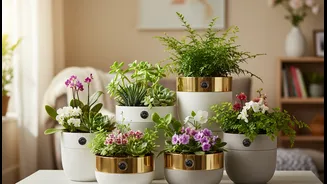
Making the switch is easy. Many moisture-loving houseplants thrive in self-watering systems. Plants like peace lilies, spider plants, pothos, and various herbs such as basil and mint are excellent candidates. When setting up your planter, use a light, porous potting mix that contains materials like peat or coir to facilitate good wicking action. Avoid heavy garden soil, which can become too dense and waterlogged. Simply pot your plant as usual, fill the reservoir through its dedicated tube, and let the planter do the rest. Your plant will thank you with lush, consistent growth.