



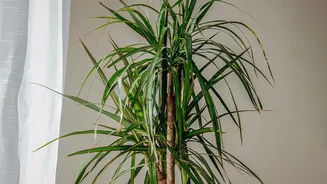


The Myth's Green Roots
The idea that houseplants are powerful air purifiers became popular after a landmark 1989 NASA study. Researchers, looking for ways to clean the air in sealed environments like space stations, placed common houseplants in small, airtight chambers and exposed
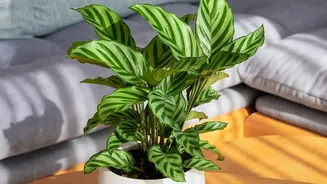
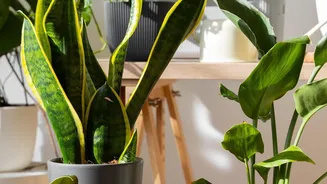
them to volatile organic compounds (VOCs) like benzene and formaldehyde. The results were promising: plants like the peace lily and snake plant were able to remove a significant percentage of these pollutants from the chamber's air. The study concluded that plants could be a vital part of life support systems in enclosed settings. This finding was quickly and broadly applied to our homes and offices, launching a popular wellness trend that has persisted for over thirty years. The advice seemed simple: add a few plants to a room and breathe cleaner, healthier air.
A Reality Check on a Grand Scale
The problem, according to more recent analysis, isn't that the NASA study was wrong, but that its findings were misinterpreted for a real-world setting. A comprehensive review by researchers at Drexel University re-examined decades of this research and came to a starkly different conclusion. Our homes and offices are not sealed chambers. They have much higher air exchange rates due to ventilation systems, opening windows, and general drafts. This natural air turnover dilutes VOCs far more quickly and effectively than a few plants ever could. The Drexel researchers calculated that to achieve the air-cleaning effects observed in lab chambers, you would need an impractically large number of plants—somewhere between 10 and 1,000 plants per square meter of floor space. That means a typical 140-square-meter home might need over 680 plants to make a meaningful difference, a number far beyond the capacity of the average plant parent.
So, What Are Plants Really Good For?
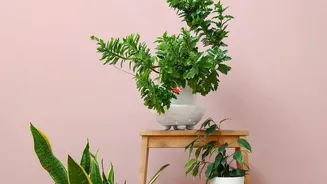
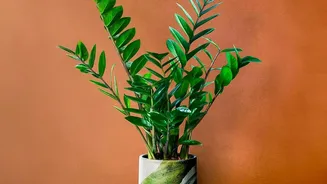
This news shouldn't prompt you to discard your leafy companions. While they may not be the air-purifying powerhouses we thought they were, their benefits are numerous and well-documented. The primary advantages are psychological. Studies have repeatedly shown that the presence of indoor plants can reduce stress, lower blood pressure, improve mood, and increase feelings of calm and comfort. Interacting with plants—watering, touching the soil, pruning—can be a form of mindfulness, grounding us in the present moment. This connection to nature, often called biophilia, is believed to be an innate human need, and fulfilling it indoors can boost our overall sense of well-being and even productivity. They add beauty, life, and a sense of tranquility to a space, which are valuable contributions to a healthy home environment.
For Genuinely Cleaner Air
If you are genuinely concerned about indoor air quality, there are far more effective strategies than stocking up on plants. The most effective and simplest method is ventilation. Regularly opening your windows to allow fresh air to circulate is one of the best ways to reduce the concentration of indoor pollutants. For a more robust solution, especially for those with allergies or respiratory sensitivities, a mechanical air purifier with a HEPA (High-Efficiency Particulate Air) filter is the gold standard. These devices are specifically engineered to capture a very high percentage of airborne particles, including dust, pollen, and the VOCs that plants were once famed for fighting. Source control is another key factor; being mindful of products you bring into your home, such as certain cleaning supplies or new furniture that can off-gas chemicals, can also significantly improve air quality.