




More Than Just a Dumpling
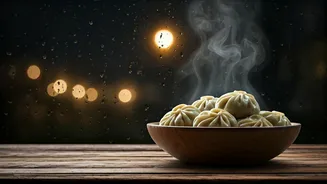
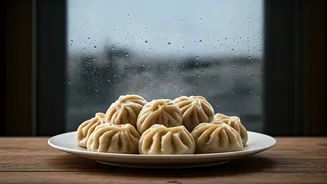
In many homes across India, the announcement of ‘momos for dinner’ doesn’t just mean a meal is coming. It signals an event. These delicate steamed parcels, originating from the Himalayan regions of Tibet and Nepal, have become a beloved staple across the subcontinent.
But their true magic lies not just in their taste, but in the communal act of their creation. Unlike a curry that one person might simmer alone, momos invite participation. The process is a series of simple, repetitive tasks that are perfect for sharing, turning your kitchen into a lively workshop where stories are exchanged and connections are forged over mounds of flour and fragrant fillings.
An Assembly Line of Laughter
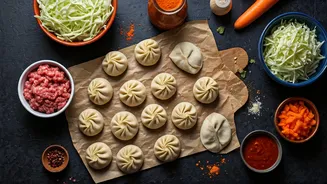
The beauty of momo-making is its natural division of labour. You don’t need a head chef; you need a team. One person can be in charge of kneading and resting the simple dough (just flour, water, and a pinch of salt). Another can finely chop vegetables for a vibrant veg filling—cabbage, carrots, onions, and ginger—or prepare a classic minced chicken or paneer mix. The youngest family members can be tasked with spooning the filling onto the rolled-out discs. This creates a gentle, productive rhythm. It’s a low-pressure environment where everyone, regardless of their culinary skill, can contribute. The conversation flows more easily when hands are busy, filling the kitchen with chatter as well as the scent of garlic and soy.
The Art of the Imperfect Fold
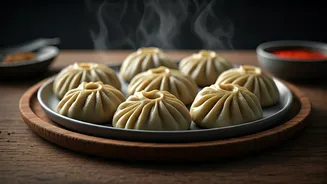
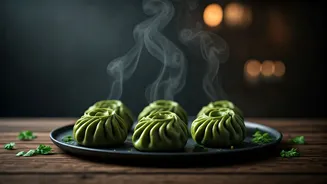
The most memorable part of the process is often the folding. There are countless ways to pleat a momo, from the simple half-moon to the intricate round purse. This is where the real fun begins. Set up a station with small bowls of water for sealing, the rolled-out wrappers, and the bowl of filling. Show everyone a basic fold, and then let them experiment. There will be lopsided momos, overstuffed ones that burst, and some that look more like abstract art than dumplings. And that’s perfectly okay. The goal isn’t a tray of identical, machine-perfect momos. It’s the shared laughter as someone’s creation comically unravels, the pride in a nephew’s first successful pleat, and the collective admiration for the one person who masters the perfect swirl. These imperfect dumplings are edible memories.
The Final, Steamy Reveal
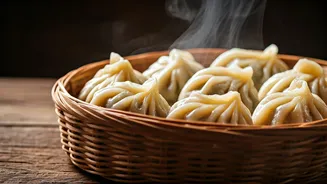
After the folding session, the anticipation builds. As the momos are arranged in a steamer (a simple steel idli steamer or a bamboo basket works perfectly), a hush might fall over the kitchen. The ten to twelve minutes it takes for them to cook is just enough time to whip up a quick dipping sauce—a fiery tomato-chilli chutney or a simple mix of soy sauce, vinegar, and minced ginger. The moment the lid is lifted, revealing the plump, translucent, and perfectly steamed dumplings, is a moment of collective triumph. Everyone gets to taste the fruits of their shared labour, and every bite is a reminder of the team effort that went into it. The first bite is always the best, enjoyed together while standing around the kitchen counter.