








Priority 1: Immunity-Boosting Heroes
The monsoon is notorious for bringing a wave of infections. Your first line of defence is a strong immune system, and your fridge can be your biggest ally. Stock up on ginger, garlic, and turmeric. These staples of the Indian kitchen have powerful anti-inflammatory,
antibacterial, and antiviral properties. Ginger is excellent for soothing a sore throat, while garlic is a known immunity booster. Turmeric, with its active compound curcumin, is a potent antioxidant. Beyond the basics, make space for citrus fruits like lemons and oranges, which are packed with Vitamin C, essential for producing infection-fighting white blood cells. Keep them whole and cool in the fridge to maximise their shelf life.
Priority 2: Gut-Friendly Probiotics
Digestive issues often spike during the rainy season. A healthy gut is crucial for overall immunity, and probiotics are key. Plain yogurt or dahi is a must-have. It contains beneficial bacteria that support gut health. Ensure it's stored in a clean, covered container in the coldest part of your fridge. Consuming fresh, homemade curd is always preferable to avoid any contamination risks associated with store-bought options that may have travelled in varied temperatures. You can also include other fermented foods like kimchi or kefir if they are part of your diet.
Priority 3: Hardy Monsoon Vegetables
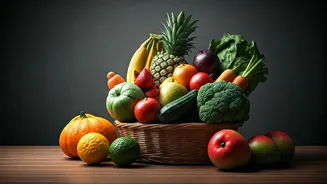
While leafy greens can be risky due to mud and germs, the monsoon offers a bounty of hardy vegetables that are perfect for the season. Gourds like lauki (bottle gourd), turai (ridge gourd), and parwal (pointed gourd) are excellent choices. They are light on the stomach, easy to digest, and have high water content to keep you hydrated. Root vegetables like carrots and beetroot, and others like pumpkin and bitter gourd (karela), are also great additions. They have a longer shelf life and are packed with essential vitamins and antioxidants that help strengthen your immune system. Wash them thoroughly and store them in breathable bags in your vegetable crisper.
Priority 4: The Leafy Green Protocol
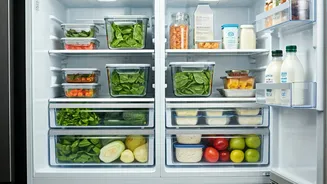
Raw salads are best avoided during the monsoon due to the high risk of contamination. However, you don't have to give up leafy greens entirely. The key is to cook them thoroughly. Spinach (palak) and fenugreek (methi) are rich in iron and vitamins that boost immunity. When you buy them, wash them meticulously. A good practice is to soak them in saltwater or a solution of water and vinegar before rinsing them under running water. Store them in the fridge only after they are completely dry to prevent them from wilting and rotting quickly. It's safer to buy smaller quantities more frequently rather than stocking up.
Priority 5: Power-Cut Preparedness
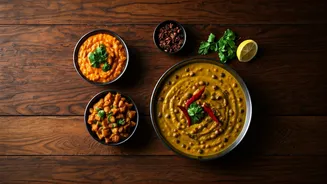
Power cuts are a common reality during the Indian monsoon. A well-stocked fridge can become useless if the power is out for an extended period. Don't open the fridge door repeatedly during an outage to maintain the internal temperature for longer. This is where your non-refrigerated pantry backups come in, but your fridge can hold items that survive well. Think pickles, chutneys, and lemon-based preserves that have a longer shelf life. Once the power returns, be cautious. Cooked food like dals and curries can spoil quickly in the humidity, even if refrigerated after a long power cut. Reheat leftovers thoroughly, bringing them to a proper boil before consumption.
Priority 6: Meats and Dairy Management
Extra caution is needed for non-vegetarian items and dairy products. The high humidity accelerates bacterial growth, making these foods highly perishable. Buy meat and fish only from clean, reputable sources. Store them in the coldest part of the fridge, preferably the freezer, and consume them within a day or two. Milk and milk products like paneer should be refrigerated immediately upon purchase. It's wise to boil milk as soon as you get it, even if it's pasteurised, to kill any potential pathogens that may have developed during transport.