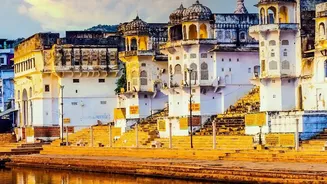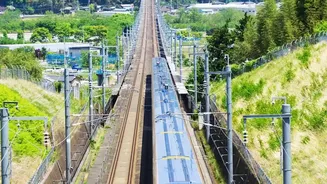








For centuries, pilgrimage in India meant an arduous, time-consuming journey. Now, a massive infrastructure overhaul is rewriting that narrative, connecting sacred sites with high-speed trains and modern highways like never before.
A New Blueprint for Pilgrimage
A quiet revolution is
reshaping India's spiritual landscape. Under government initiatives like the PRASHAD and Swadesh Darshan schemes, ancient pilgrimage routes are being transformed into modern, accessible 'spiritual circuits'. The goal is to connect major religious hubs, from Varanasi and Ayodhya in Uttar Pradesh to the Char Dham sites in Uttarakhand and temple towns across the south. This isn't just about paving roads; it's a strategic vision to integrate faith, tourism, and economic growth. By creating seamless travel corridors, the government aims to make these sacred journeys safer, faster, and more comfortable for the millions of devotees who undertake them each year, turning once-isolated holy places into structured economic clusters.
The Vande Bharat Effect
At the forefront of this transformation are the Vande Bharat Express trains. These semi-high-speed trains have drastically cut travel times to major religious destinations. The journey from New Delhi to Varanasi, one of the oldest and most revered cities, now takes just eight hours. Similarly, routes to Katra for the Vaishno Devi shrine, Ayodhya, and Tirupati have become significantly faster, often reducing travel by several hours. This speed and convenience have made weekend pilgrimages a practical option for many working professionals. With over 100 services connecting the country, the Vande Bharat network is a key pillar in the strategy to enhance connectivity to religious and cultural heritage sites, making spiritual travel more accessible than ever.
All-Weather Roads to the Heavens
In the treacherous terrain of the Himalayas, road travel has always been a perilous part of the pilgrimage. The Char Dham Mahamarg Vikas Pariyojna, a ₹12,000-crore project, aims to change that by providing all-weather, double-lane highway connectivity to Yamunotri, Gangotri, Kedarnath, and Badrinath. The project involves widening nearly 900 km of roads, building tunnels, and constructing viaducts to make the journey safer and cut travel time by 30-40%. While primarily for pilgrims, these strategic roads also improve military access to the sensitive border regions with China. The development promises to reduce accidents and build pilgrim confidence, ensuring a smoother passage to these high-altitude shrines.
The Economic Ripple Effect
The benefits of this enhanced connectivity extend far beyond the pilgrims themselves. As travel becomes easier, tourist footfall has surged. Domestic pilgrim visits jumped from 677 million in 2021 to over 1.4 billion in 2022. This influx is a powerful engine for local economies. In towns like Ujjain and Varanasi, the development of spiritual corridors has led to a boom in the hospitality and retail sectors. New hotels, restaurants, and shops are creating jobs and providing livelihood opportunities for local communities, from artisans to tour guides. This infrastructure push is transforming seasonal pilgrimage towns into yearround economic hubs, attracting investment and driving regional growth.
Balancing Progress and Preservation
However, this rapid development is not without its challenges. The surge in visitors places immense pressure on the fragile ecosystems surrounding many holy sites. In the Himalayas, the Char Dham road project has sparked controversy among environmentalists, who warn of increased risks of landslides, deforestation, and ecological damage from hillcutting and muck dumping. Studies have noted a sharp rise in landslides in the region since the project began. Similarly, at sites like Vaishno Devi, the sheer volume of pilgrims leads to significant waste generation and pollution. The critical question facing planners is how to manage this growth sustainably, ensuring that the spiritual sanctity and natural beauty of these sacred places are not sacrificed for the sake of accessibility and commerce.