




The Foundation: Why Balanced Meals Matter
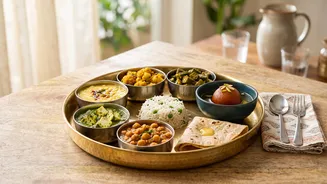
During Navratri, our diet shifts away from regular grains like wheat and rice to vrat-friendly alternatives. Many of these foods, such as sabudana and potatoes, are rich in carbohydrates and provide quick energy. However, eating them alone can cause blood
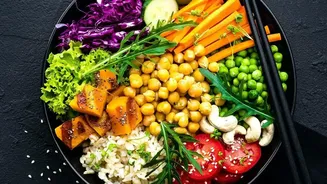
sugar levels to spike and then crash, leading to fatigue. The solution is to create balanced meals. By pairing carbohydrates with sources of protein and healthy fats, you slow down digestion and ensure a more stable, gradual release of energy. This approach prevents energy dips and keeps you feeling full and focused for longer.
Energising Breakfasts to Start Your Day
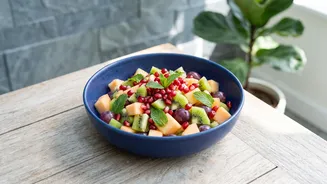
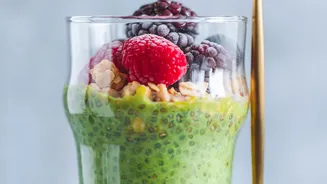
Your first meal sets the tone for the day. Instead of relying solely on fruit, which can be digested quickly, aim for a combination that offers lasting power. A bowl of fruit with yogurt and a handful of nuts is a great option. The fruits provide natural sugars and vitamins, while yogurt offers protein and nuts deliver healthy fats. Another excellent choice is a cheela made from kuttu (buckwheat) or singhara (water chestnut) flour. These flours are more balanced than other fasting grains, offering protein and fibre that contribute to steady energy. Pair a kuttu cheela with a side of curd or a simple lauki (bottle gourd) preparation for a complete and nourishing start.
Sustaining Midday Lunches
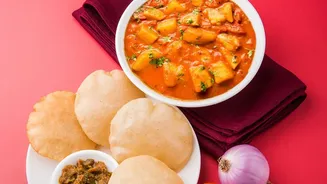
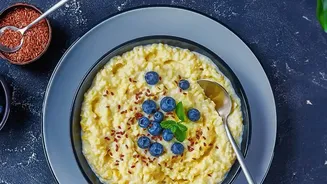
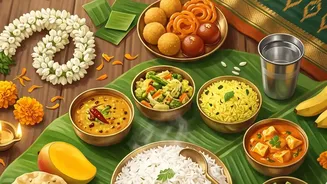
Lunch should be a substantial meal that refuels you for the second half of the day without making you feel sluggish. Samak rice (barnyard millet) is a fantastic alternative to regular rice, as it's light on the stomach and provides protein and fibre. You can prepare a samak rice khichdi or pulao and combine it with a side of dahi aloo (potatoes in a yogurt-based gravy). The curd adds a much-needed protein element to the potatoes' carbohydrates. Another balanced lunch idea is rajgira (amaranth) roti with a side of pumpkin or lauki sabzi. Paneer, a rich source of protein, can be stir-fried with vrat-friendly vegetables to create a fulfilling and energising main course.
Light but Satisfying Dinners
Dinner during Navratri should be lighter to ensure it doesn't interfere with sleep, but it still needs to be nourishing. A bowl of vegetable soup, such as pumpkin or bottle gourd soup, is both hydrating and easy to digest. To make it more substantial, you can have a side of roasted makhana (fox nuts). Makhana is a low-calorie snack that is rich in protein and complex carbohydrates, making it filling. Another great dinner option is a sweet potato chaat. Sweet potatoes are packed with fibre and complex carbs that provide lasting energy. Toss boiled sweet potatoes with rock salt, lemon juice, and roasted peanuts for a delicious meal that balances carbohydrates with the healthy fats and protein from the peanuts.
Smart Snacking and Hydration
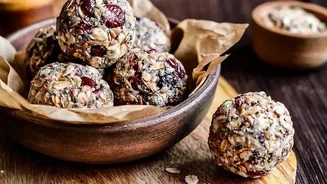
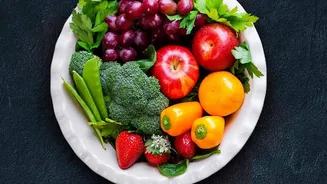
To avoid energy slumps between meals, it's important to snack wisely and stay hydrated. Instead of reaching for fried snacks, opt for a handful of nuts like almonds, walnuts, or cashews. Fruits like bananas, apples, and pomegranates are also excellent for a quick and natural energy boost. Hydration is just as crucial as food. Regularly sip on water, coconut water, or buttermilk (chaas) throughout the day. Coconut water is particularly beneficial as it helps replenish electrolytes that can be lost during fasting, keeping you refreshed and preventing fatigue.