






The Art of Chasing Clouds
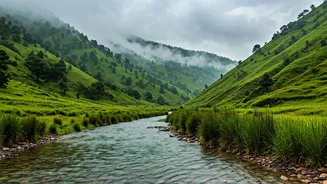
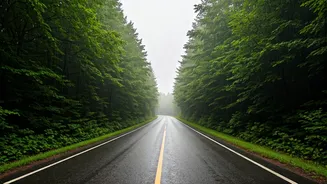
Cloud-chasing is more than just appreciating a rainy day; it's the active pursuit of specific, breathtaking weather phenomena. It’s about finding that perfect spot where valleys fill with cottony white clouds, or where mist-shrouded peaks create an ethereal
atmosphere. This unique travel style is especially popular during the monsoon in India, when hill stations across the country become playgrounds for shifting cloudscapes. Travellers and photographers seek out these moments, often at dawn or dusk, for stunning, otherworldly views that are both fleeting and unforgettable. The goal isn't just to see clouds, but to experience them at eye level, turning a regular trip into a magical quest.
Why Forecasts Are Non-Negotiable
There's a fine line between a dreamy, cloud-filled vista and being dangerously socked in with zero visibility. This is where weather forecasting becomes a critical tool for any aspiring cloud-chaser. Hill stations, especially during the monsoon, are prone to sudden and dramatic weather shifts. What starts as a picturesque morning can quickly turn into a treacherous environment with heavy rain, flash floods, and even landslides. Relying on a forecast helps you distinguish between safe, beautiful conditions and potential hazards. Planning your treks and drives based on weather predictions isn't just smart; it's essential for a safe journey. It allows you to be at the right place at the right time while avoiding unnecessary risks.
Prime Destinations for Cloud-Chasers
India offers a wealth of destinations perfect for this pursuit. Meghalaya, whose name means 'Abode of Clouds', is a top choice, with places like Cherrapunji and Shillong offering eye-level cloud experiences. The Western Ghats also come alive, with spots like Lonavala, Mahabaleshwar, and Malshej Ghat in Maharashtra becoming enveloped in thick, moving clouds. Further south, Coorg in Karnataka and Munnar in Kerala offer lush green landscapes where tea gardens disappear into the mist. For those seeking high-altitude drama, parts of Uttarakhand and Himachal Pradesh provide stunning views of valleys filled with clouds, though these areas require extra caution during peak monsoon.
Your Digital Forecasting Toolkit
To plan effectively, you need reliable tools. The India Meteorological Department (IMD) offers official forecasts. For more detailed and user-friendly interfaces, apps like AccuWeather and Windy are indispensable for hikers and travellers. Windy is particularly useful for its visualisations of wind, rain, and cloud cover at different altitudes. AccuWeather provides hyperlocal forecasts and a 'RealFeel' temperature to help you prepare for how conditions will actually feel. For offline access, which is crucial in remote areas with poor connectivity, apps like Maps.me can be a lifesaver for navigation. It's wise to use a combination of these apps to get a comprehensive picture.
Beyond the App: Reading the Sky
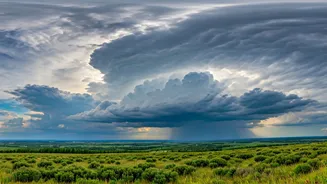
Technology is a great aid, but traditional knowledge is just as valuable. Learning to read the clouds can tell you a lot about impending weather. Puffy, cotton-like cumulus clouds generally indicate fair weather. Thin, wispy cirrus clouds, while beautiful, can sometimes signal a change in weather is on its way. Dark, low-hanging stratus or nimbostratus clouds are clear indicators of rain. Understanding these basic cloud types can help you make quick, on-the-ground decisions, complementing the information from your forecasting apps and adding another layer of engagement to your trip.
Travel with Caution and Respect
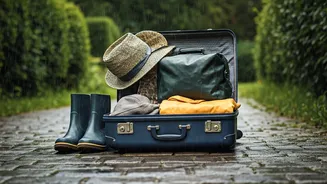
Monsoon travel is rewarding but comes with inherent risks. Always prioritise safety. Pack appropriate rain gear, including waterproof shoes and quick-drying clothes. Be extremely cautious while driving on wet, slippery roads and avoid travelling at night in hilly areas prone to landslides. It's also vital to be a responsible tourist. The influx of visitors during this season can strain local resources. Respect the local environment, avoid littering, and be mindful of the delicate ecosystems you are visiting. If you are unsure about conditions, hiring a local guide is always a good idea.