








First, What is Bioastronautics?
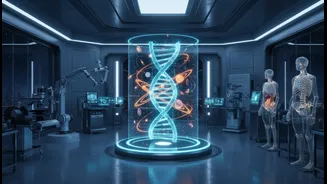
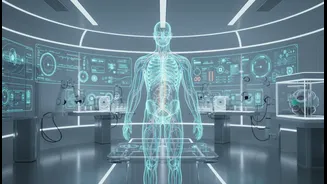
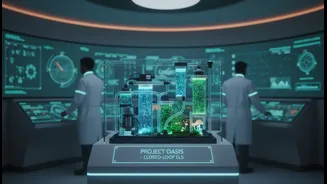
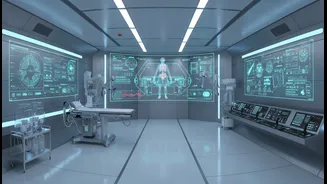
Bioastronautics is an interdisciplinary science focused on the study and support of life in space. It merges biology, medicine, and engineering to tackle the complex challenges human bodies face beyond Earth's atmosphere. Think of it as the ultimate form
of human factors engineering. Experts in this field work on everything from designing life support systems and space habitats to understanding the physiological effects of microgravity, radiation, and psychological stress on astronauts. The goal is not just survival, but ensuring humans can thrive on long-duration missions. This requires deep knowledge of how bodily systems—from muscles and bones to cardiovascular regulation—are affected by spaceflight and what countermeasures are needed to protect them.
The Rise of the Specialist Fellowship
As the private space industry booms, the demand for highly specialized talent has skyrocketed, creating a significant skills gap. It’s not enough to be a brilliant aerospace engineer; startups need people who also understand human physiology in extreme environments. This is where bioastronautics fellowships come in. Programs at institutions like Harvard-MIT, the University of Colorado Boulder, and UCLA's Space Medicine Fellowship are creating a new generation of experts. In India, a new postdoctoral fellowship in bioastronautics was recently launched by the Sree Chitra Tirunal Institute for Medical Sciences and Technology (SCTIMST) and ISRO's Human Space Flight Centre to support the Gaganyaan mission. These fellowships provide graduates with a unique mix of coursework, clinical experience, and hands-on research in space life sciences and engineering, often in direct collaboration with space agencies and industry partners.
A Direct Pipeline to Innovation
For an emerging space startup, finding an individual with this precise blend of skills through traditional recruitment is like finding a needle in a haystack. By linking with these fellowship programs, startups create a direct pipeline to pre-vetted, elite talent. The relationship is often symbiotic. Startups may provide funding, offer research opportunities, or have their own senior staff act as mentors or guest lecturers. This gives them early access to promising researchers and allows them to shape training to meet their specific commercial goals. For instance, research centers tied to universities, like BioServe Space Technologies, partner directly with companies to fly payloads and experiments, giving students—and potential future employees—direct experience with real-world space missions.
The Win-Win Proposition
This recruitment strategy is a clear win for both sides. Startups get to de-risk their hiring process, acquiring talent that is already trained on the cutting-edge questions of space medicine and life support. These fellows are not just academically brilliant; they often have practical experience with the kind of research and development that is critical for a startup's success. They bring an understanding of the entire system, from the biological impact on an astronaut to the engineering required to mitigate it. For the fellows, the partnership provides a clear and exciting career path. Instead of their specialized research remaining purely academic, they can apply their skills to tangible, history-making projects in the commercial space sector, from developing life support for a lunar habitat to designing medical systems for a mission to Mars. This alignment ensures that academic innovation is rapidly translated into commercial application.
Shaping the Future of Human Spaceflight
Ultimately, the trend of startups spearheading recruitment through bioastronautics fellowships is more than just a clever HR strategy. It is a fundamental enabler of the new space economy. The ambitious goals of commercial spaceflight—from space tourism and private space stations to lunar bases and missions to other planets—are entirely dependent on our ability to keep people safe and healthy. By investing in the talent that specializes in this human-centric aspect of space travel, these startups are not just building their teams; they are building the foundational expertise required for humanity to become a multi-planetary species. This close collaboration between academia and industry accelerates innovation, ensuring that as launch vehicles become more powerful and accessible, the life support and medical technologies needed for long-duration missions are ready for the journey.