
Katergo Beach, Folegandros
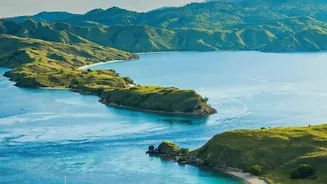
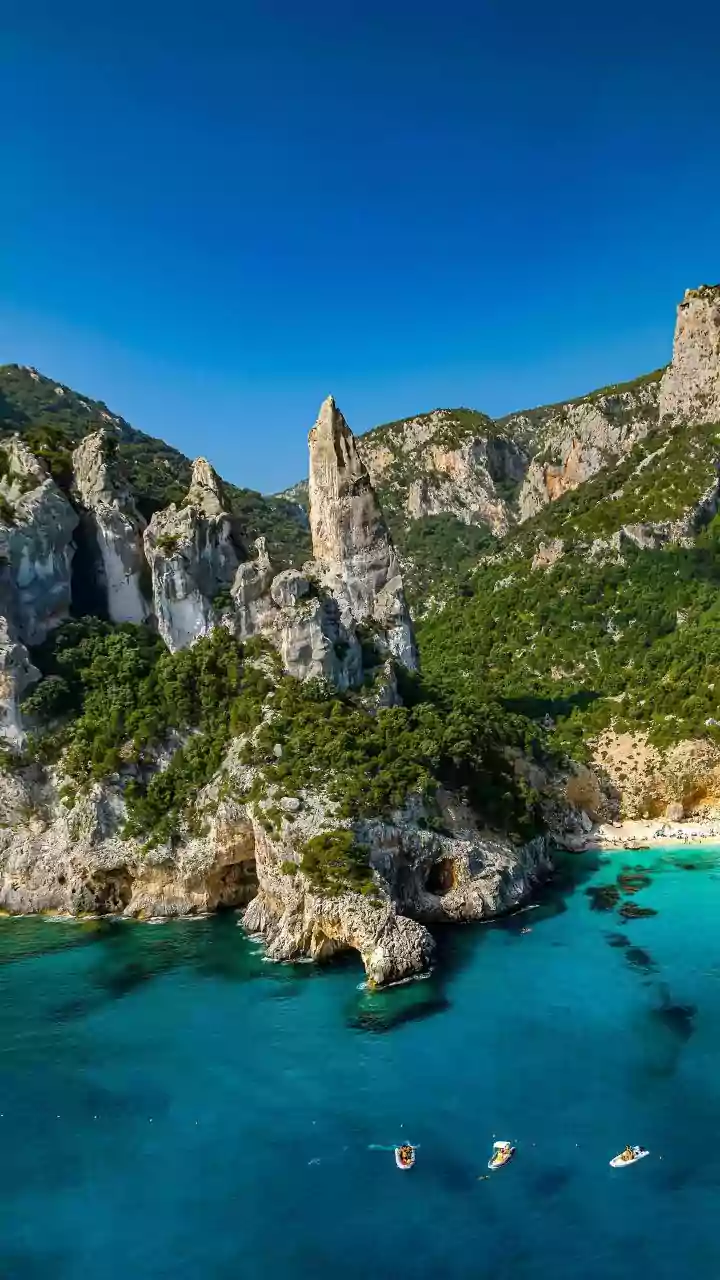
Often hailed as the crown jewel of Folegandros, Katergo is the epitome of a wild, unspoiled Greek beach. This stunning expanse of sun-bleached pebbles meets water of an almost surreal clarity. Walled by tall cliffs that drop dramatically into the sea,
it offers a picture-postcard landscape without any commercial development. There are no sunbeds, no cafes, and no easy roads, which is precisely what preserves its magic. The lack of facilities means the effort of getting here keeps the visitor numbers human, even in high season. To reach it, you can take a rewarding 20-30 minute hike from the village of Livadi or, for a more relaxed journey, hop on a 10-minute water taxi from the port of Karavostasi. Remember to pack everything you need: water, snacks, and shade are essential.
Kedrodasos Beach, Crete
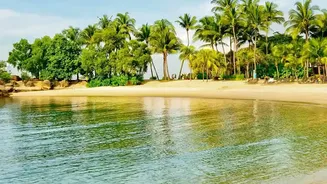
Just a short distance from the world-famous (and often crowded) Elafonisi beach lies its quiet, wilder sibling, Kedrodasos. The name means 'cedar forest', and it perfectly describes the unique landscape of ancient, twisted juniper trees that grow right down to the shoreline. Visitors walk through this fragrant, sandy forest before the path opens up to reveal a pristine beach with soft, pink-white sand and mesmerizing turquoise water. Because it requires a 15-minute walk from the nearest parking area and has no organized facilities, Kedrodasos remains a peaceful sanctuary for nature lovers. It’s a place to escape the commercial buzz and enjoy the raw, untouched beauty of Crete's southwestern coast. The beach is also known for being nudism-friendly, which adds to its serene and free-spirited atmosphere.
Seychelles Beach, Ikaria
True to its name, Seychelles Beach on the island of Ikaria feels like a slice of a tropical paradise dropped into the Aegean. This small, picturesque cove is framed by impressive white rock formations and boasts dazzling emerald and turquoise waters. The beach itself is a mix of smooth white pebbles and sand, with underwater caves that invite exploration. Its secluded nature is partly due to its access; reaching it requires a short but steep hike down a path that follows a riverbed. This small effort deters large crowds, preserving the beach's tranquil and exotic feel. While it has become more famous in recent years, it remains unorganized, so visitors should bring their own supplies. For those less keen on the walk, water taxis are sometimes available from the nearby fishing port.
Fyriplaka Beach, Milos
Milos is renowned for its otherworldly coastal landscapes, and Fyriplaka is a spectacular example. It's a long, sweeping beach backed by towering volcanic cliffs streaked with red, yellow, and white minerals. While one end of the beach has a small beach bar and sunbeds, its considerable length means you can easily find a quiet, private spot by simply walking further along the shore. The water here is shallow, calm, and a brilliant shade of turquoise, making it perfect for a relaxing swim. Its location on the south coast also means it is well-protected from the strong summer 'Meltemi' winds, offering a calm retreat when northern beaches are rough. For a true sense of discovery, walk past the main section to the unorganized part, where the landscape feels even more dramatic and serene.
Agia Anna Beach, Amorgos
Made famous by the 1988 cult film 'The Big Blue', Agia Anna is less a beach for lounging and more a place of dramatic, raw beauty. Located just below the magnificent cliffside Monastery of Hozoviotissa, this small, pebbly cove is defined by its massive rocks and deep, crystal-clear indigo water. The island's steep underwater drop-off gives the sea its famously dark blue color. Its rocky nature and small size mean it rarely feels overcrowded, especially if you visit in the morning. It is not an organized beach, offering an authentic connection with nature and cinematic history. A swim here offers an unforgettable view, looking up at the monastery clinging to the cliff face 300 meters above—a truly unique and peaceful Greek island experience.