






An Antidote to Urban Stress
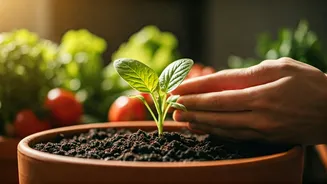
For many city dwellers, life is a high-stress loop of traffic, deadlines, and digital overload. Gardening offers a tangible escape. The simple act of tending to plants—watering, pruning, watching something grow—has been shown to reduce cortisol, the body's
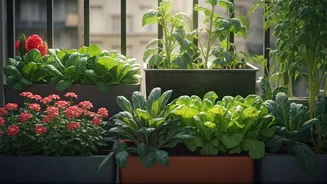
primary stress hormone. It’s a form of active meditation that reconnects us to the natural world, even if that world is confined to a few pots on a windowsill. In cities like Mumbai and Delhi, where personal space is a luxury, a small balcony garden becomes a private sanctuary, a place to breathe deeply and disconnect from the urban grind. This isn't just a feeling; studies confirm that regular interaction with plants can lower anxiety and improve overall mood, making it one of the most accessible forms of self-care available.
From Balcony to Plate
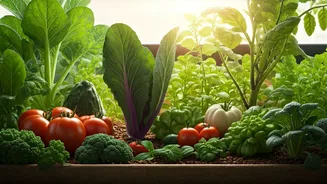
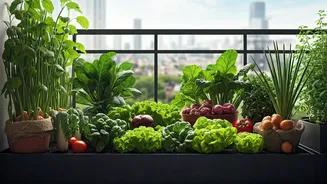
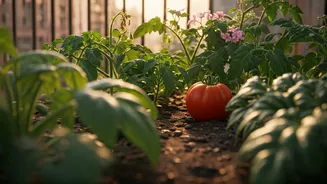
The joy of harvesting something you’ve grown yourself is profound. What started as a hobby for many has evolved into a practical way to supplement the kitchen with fresh, pesticide-free produce. Urban farming is no longer a niche concept. In apartments across Bengaluru and Hyderabad, residents are successfully growing everything from tomatoes and chillies to leafy greens and herbs. This movement, often called 'hyperlocal food,' does more than just provide nutritious ingredients. It fosters a deeper understanding of where our food comes from, reduces food miles, and gives people a sense of self-sufficiency. It’s a small but meaningful step towards food security, proving that you don't need acres of land to have a farm; sometimes, a sunny balcony is enough.
Building Communities, One Plot at a Time
Gardening is also a powerful tool for social connection. In the anonymity of a large city, it’s easy to live for years without knowing your neighbours. Community gardens are changing that. In Pune and Chennai, resident welfare associations and citizen groups are transforming neglected parks and common areas into shared vegetable patches. These spaces become natural meeting points where people of all ages and backgrounds can connect over a shared purpose. They exchange seeds, share tips, and work together, building trust and camaraderie. This collaborative effort strengthens the social fabric of a neighbourhood, turning a collection of households into a genuine community.
Greening the Concrete Jungle
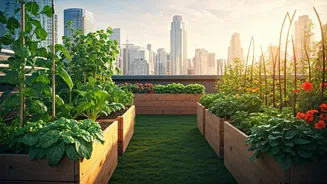
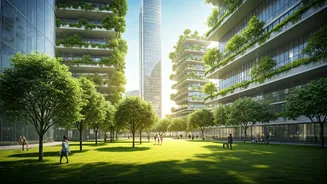
The collective impact of thousands of small gardens adds up to a significant environmental benefit. Plants are natural air purifiers, filtering pollutants and releasing oxygen. A neighbourhood with more green cover is a neighbourhood with better air quality. Furthermore, these green pockets help combat the 'urban heat island' effect, where concrete and asphalt absorb and retain heat, making cities significantly warmer than surrounding rural areas. Rooftop and balcony gardens create a cooling micro-climate, reducing the need for air conditioning and lowering energy consumption. They also support urban biodiversity, providing vital habitats for bees, butterflies, and birds, which are essential for a healthy ecosystem.