


What 'Karat' Actually Means
Before diving into the debate, it's essential to understand what 'karat' (K) signifies. The karat system measures the purity of gold on a 24-part scale. Pure gold is designated as 24K, meaning all 24 parts of the metal are gold, or 99.9% pure. Lower karat values
indicate that other metals, known as alloys, have been mixed in. For example, 22K gold means 22 parts are pure gold and two parts are other metals like silver, copper, or zinc. This translates to 91.6% purity, which is why it's often stamped with the number '916'. Similarly, 18K gold is 75% pure (18 parts gold, 6 parts alloy). These alloys aren't added to dilute the gold, but to give it strength.
The Purity of 24K Gold: Pros and Cons
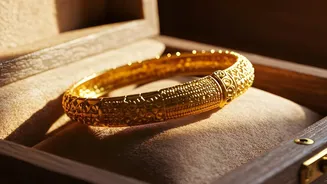
The single biggest advantage of 24K gold is its purity. It has a distinct, vibrant, and rich yellow colour that is brighter than any alloyed gold. Because it contains no nickel or other common allergens, it is also completely hypoallergenic, making it an excellent choice for people with sensitive skin. However, this purity comes at a cost to its practicality. Pure gold is extremely soft and malleable. On the Mohs scale of hardness, it scores only about a 2.5, making it susceptible to scratches, dents, and bending with even minimal force. This makes it largely unsuitable for daily-wear items, especially rings or bracelets that are prone to bumps and scrapes.
Durability: Why Alloys Are a Jeweller's Best Friend
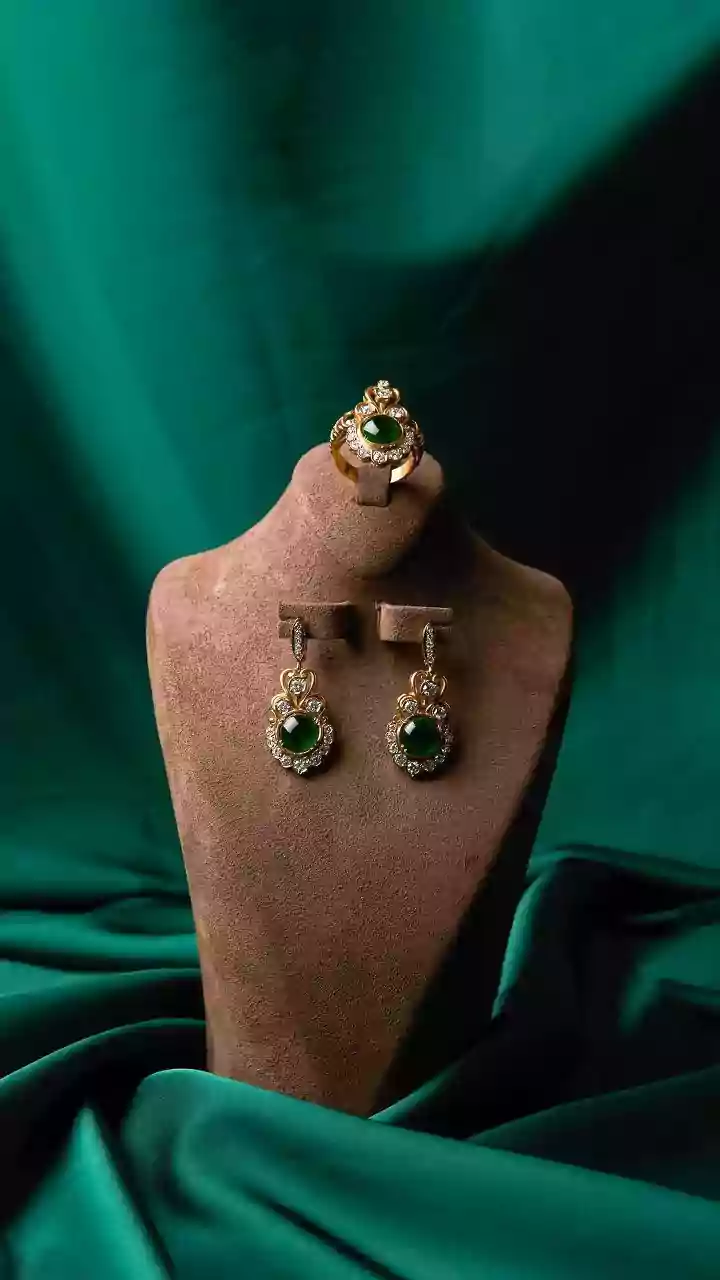
This is where lower-karat gold shines. By mixing pure gold with stronger metals like copper, silver, and zinc, jewellers create an alloy that is far more durable. An 18K gold piece is significantly more resistant to scratches and can hold its shape better over years of wear. This increased strength is crucial for creating intricate designs and for securely setting precious stones like diamonds. A 24K gold prong setting would be too soft to reliably hold a gemstone, while 18K and 14K gold provide the necessary rigidity. For this reason, 18K gold is a global standard for fine jewellery, offering a fantastic balance of high purity and practical durability.
The Indian Sweet Spot: The Case for 22K Gold
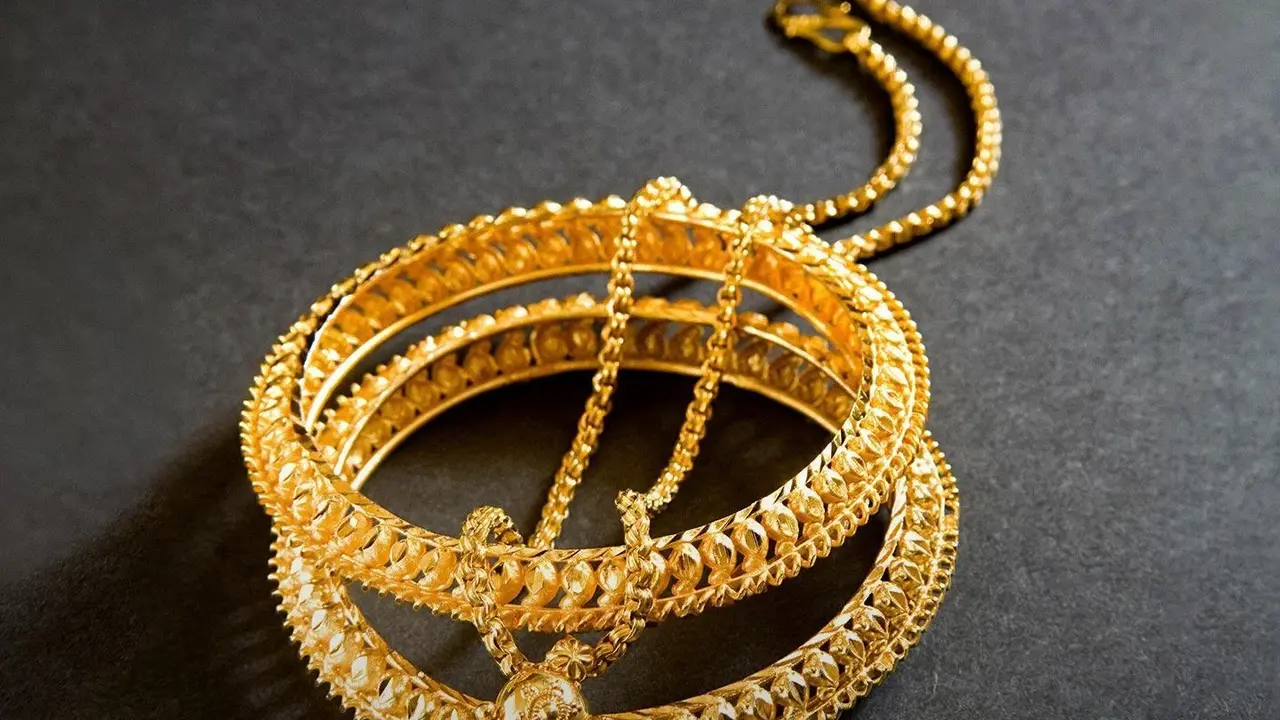
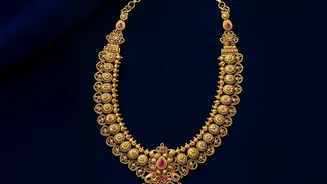
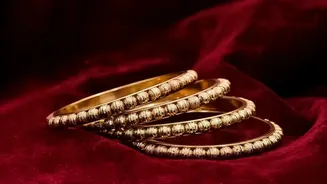
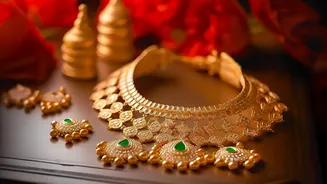
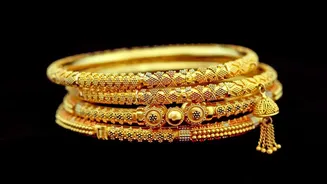
In India, 22K gold holds a special place, and for good reason. It strikes a perfect balance that resonates with cultural and practical priorities. With 91.6% purity, it retains much of the rich, warm colour and high intrinsic value of pure gold. At the same time, the addition of 8.4% alloy makes it durable enough for crafting the elaborate and intricate designs that are characteristic of traditional Indian jewellery, from bridal sets to temple jewellery. It's strong enough for regular wear in the form of bangles, necklaces, and earrings, yet it is still seen as a primary form of investment and family wealth. This dual role as both a wearable asset and a cultural touchstone makes 22K gold the undisputed favourite in the Indian market.
Cost, Colour, and Conclusion
The price of gold jewellery is primarily driven by its pure gold content. Therefore, a 24K piece will be the most expensive, followed by 22K and then 18K, assuming the weight and craftsmanship are similar. The alloys also affect the final colour; mixing with copper creates rose gold, while palladium or nickel can produce white gold. So, is 24K gold better? For investment in the form of coins or bars, its purity makes it the top choice. For jewellery, however, the answer is almost always no. Its softness makes it impractical for anything other than perhaps ceremonial pieces worn with extreme care. For daily wear, especially for items like rings, 18K or 14K gold offers the best blend of beauty and resilience. For those who want high purity with better durability, especially in traditional designs, 22K gold remains the perfect compromise.