






The New Era of Caller ID
The Department of Telecommunications (DoT) has mandated that all telecom operators in India must implement a service called Calling Name Presentation, or CNAP, starting November 1, 2026. In simple terms, this means that when you receive a call from a number
not saved in your contacts, the caller's name will automatically appear on your screen. This name isn't sourced from a third-party app like Truecaller, but is the official name of the subscriber as listed in the telecom operator’s Know Your Customer (KYC) records. The primary goal of this nationwide rollout is to combat the pervasive issue of spam and fraudulent calls, making it harder for scammers to hide behind anonymous numbers.
How CNAP Works on Your Phone
The system is designed to be straightforward for the user. When a call is made, the network of the person calling will cross-reference the number with its official KYC database to find the registered name. This name is then transmitted along with the call data to the recipient's network, which displays it on their screen. The service will be enabled by default for all users on 4G and 5G networks, with decisions on older 2G/3G networks to be made later. If the caller is in your phone’s contact list, the name you have saved will continue to take precedence. The new system only kicks in for numbers that are unknown to you.
The Dual-SIM Question Explained
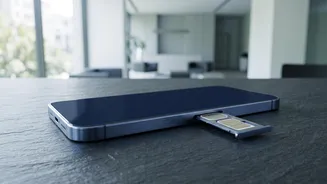
Here is the central point of confusion for many: If you have two SIMs in your phone, which name gets displayed? The CNAP system is tied to the SIM card, not the handset. Therefore, the name displayed to the person you are calling will be the one associated with the specific SIM you use to make that call. For instance, if you have a personal SIM in your name and a work SIM provided by your employer, calls made from your personal line will show your personal name. Calls made from the work SIM will display the name registered by your company, which could be your own name or the company’s name if it is a business account.
The Importance of Correct KYC Data
This new system places a heavy emphasis on accurate records. A common issue is when a SIM card is being used by one person but is registered under a family member's name. With CNAP, calls made from that SIM will display the registered owner's name (e.g., your parent's name), which could lead to confusion. This makes it crucial for users to ensure that any SIM they use regularly is officially registered in their own name. The DoT has instructed telecom service providers to establish a grievance redressal mechanism for users to report and correct any issues with the name being displayed. If your name is incorrect, you will need to contact your service provider to update your KYC details.
Privacy Versus Protection
While CNAP is a powerful tool against fraud, it has raised some privacy discussions. The service essentially makes the government-registered name of a caller public to the person they are calling. However, the system is designed with some safeguards. The name is only revealed to the call recipient, and there are provisions for certain individuals, like those in law enforcement or with specific security needs, to be exempt under the Calling Line Identification Restriction (CLIR) feature. For the average user, the trade-off is increased transparency and security against the potential for their official name to be more widely visible. It marks a shift from crowdsourced identification to a more authoritative, government-backed system.