



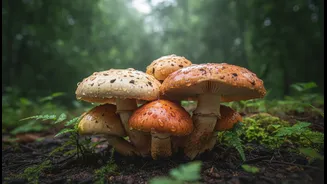


The Magic of Monsoon Foraging
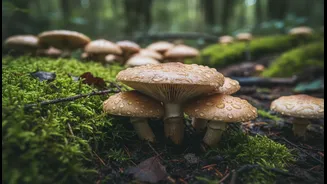
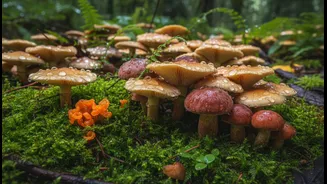
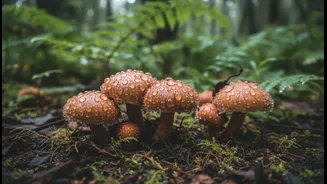
The arrival of the monsoon transforms India’s landscape, creating the perfect damp, humid conditions for wild fungi to emerge. For centuries, tribal communities and local villagers have engaged in the tradition of foraging, venturing into forests to find
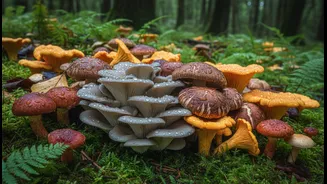
these seasonal delicacies. This practice requires immense generational knowledge to distinguish the edible from the poisonous. The mushrooms that sprout during this time, from the dense Sal forests of Jharkhand to the termite mounds of the Western Ghats, are prized for their unparalleled freshness and deep, earthy flavours that simply cannot be replicated by their commercially farmed cousins. For chefs, this connection to the wild and the thrill of using a hyper-seasonal, foraged ingredient is a significant part of the allure.
A Symphony of Flavour and Texture
Culinary experts are drawn to mushrooms for their profound 'umami' quality—the fifth basic taste that imparts a savoury, meaty depth to dishes. Wild monsoon mushrooms are particularly rich in this flavour profile. Their textures are also incredibly diverse. Some, like the Rugda mushroom of Jharkhand, have a surprisingly meaty bite and are even called 'vegetarian mutton'. Others, like the prized Gucchi from the Himalayas, offer a soft, porous, and spongy texture that beautifully soaks up sauces and spices. This versatility allows chefs to use them in a variety of preparations, from simple sautés that honour their natural taste to complex, slow-cooked curries where they add substance and absorb flavour.
India's Prized Monsoon Varieties
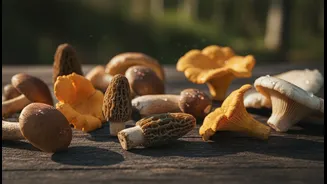
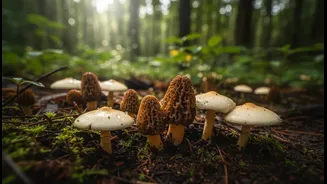
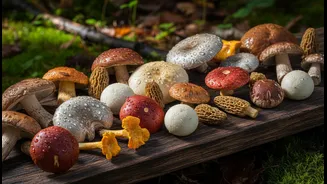
India boasts a stunning diversity of wild monsoon mushrooms, each with a unique regional identity. In the Himalayan states, the elusive Gucchi (morel) is considered 'mountain gold' for its rarity and distinctive honeycomb appearance. Further south, in Goa and along the Konkan coast, the Roen Olmi is a celebrated delicacy. These Termitomyces mushrooms grow exclusively on termite hills, a symbiotic relationship that makes them impossible to cultivate. In parts of Jharkhand and Chhattisgarh, foragers seek out Rugda and Boda mushrooms, which grow underground at the base of Sal trees. Other notable varieties include the Khukhdi in eastern India and the Tatmor in Himachal Pradesh, each offering a distinct taste of its native soil.
From Forest to Five-Star Plate
Modern Indian chefs are increasingly celebrating this natural bounty, creating special monsoon menus that spotlight these rare fungi. The 'farm-to-table' philosophy extends to 'forest-to-table', as chefs collaborate with foragers to source these unique ingredients. In fine-dining restaurants, you might find a luxurious Gucchi Pulao, where the mushroom's smoky depth elevates the fragrant rice. In Goa, a traditional Xacuti curry, typically made with chicken, is prepared with meaty Olmi mushrooms for a seasonal vegetarian alternative. These mushrooms are pan-fried, simmered into fiery coconut-based curries, stuffed into kebabs, or simply sautéed with butter and garlic to let their sublime flavour shine. Their presence on a menu signals a commitment to seasonality and a deep appreciation for India's rich biodiversity.
A Boost for Health and Heritage
Beyond their taste, monsoon mushrooms are valued for their nutritional benefits. They are a good source of protein, vitamins B and D, and essential minerals like potassium and selenium. Traditional wisdom and modern studies alike suggest they help boost immunity, which is especially welcome during the monsoon when seasonal illnesses are common. By incorporating these foraged treasures into their cooking, chefs are not only creating delicious and healthy food but also helping to preserve the cultural heritage associated with these ingredients. They are shining a light on the knowledge of indigenous communities and celebrating the ephemeral, natural gifts that the rainy season provides.