



Why the Monsoon Magnifies Food Risks
The rainy season creates a perfect storm for foodborne illnesses. The combination of high humidity and ambient warmth provides an ideal breeding ground for bacteria, fungi, and mould. According to the Food Safety and Standards Authority of India (FSSAI),
the risk of food-related diseases increases significantly during this period. Moisture in the air accelerates spoilage for both raw and cooked foods. This environmental shift means that foods that are perfectly safe in other seasons can become hazardous much more quickly, leading to a seasonal surge in gastrointestinal issues like diarrhoea, typhoid, and stomach infections.
The Problem with Pre-Cut Produce
While convenient, pre-cut fruits and vegetables pose a greater risk during the monsoon. When a fruit or vegetable's natural protective skin is broken, its moist, nutrient-rich interior is exposed. This creates an entry point for airborne bacteria and pathogens from hands, surfaces, and tools during the cutting and packaging process. In the high humidity of the monsoon, microbes like E. coli and Salmonella can multiply rapidly on these exposed surfaces. These items often sit for hours, sometimes in packaging that traps moisture, further encouraging bacterial growth. Experts specifically advise against consuming pre-cut fruits and vegetables sold by roadside vendors or those left in the open.
Large Packs, Larger Problems?
The headline's focus on "large" packs highlights an additional layer of risk. While buying in bulk can seem economical, it often means the produce sits in your refrigerator for a longer period after being opened. Every time you open the container, you expose the contents to the air and potential contaminants. Given that food spoils faster in the damp monsoon climate, a large pack of chopped vegetables or mixed fruit has a longer window to develop mould or harmful bacteria before it is fully consumed. The FSSAI even recommends cleaning and defrosting your fridge more frequently—every two weeks—during the monsoon to combat the excess moisture and prevent it from becoming a breeding ground for germs.
A Safer Game Plan for Monsoon Groceries
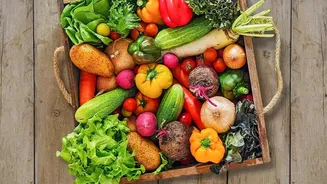
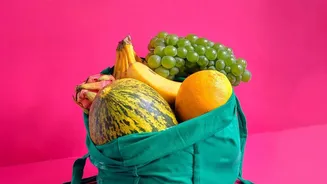
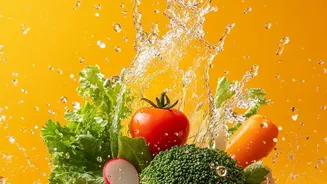
The safest approach is to shift your habits for the season. Prioritise buying whole fruits and vegetables. Produce with a thick, intact peel—like bananas, oranges, pomegranates, and gourds—offers the best natural protection against contamination. Wash all produce thoroughly under clean, running water right before you plan to use it. For leafy greens, which can trap dirt and microbes, it's recommended to soak them in water with a little salt and cook them thoroughly rather than eating them raw in salads. Cut only what you need for a single meal to ensure maximum freshness and minimal exposure to the air.
If You Must Buy Pre-Cut
If your schedule makes pre-cut produce unavoidable, take extra precautions. Purchase only from reputable retailers with high standards of hygiene and refrigeration. Always check the packaging date and choose the most recently packed items. Opt for smaller quantities that you can consume within a day or two. Before buying, carefully inspect the package for any signs of spoilage, such as sliminess, discoloration, or excess liquid at the bottom. Even if a label says "pre-washed," it is a good practice to give the contents another rinse under clean water before consumption. Store them in the coldest part of your refrigerator immediately after purchase.