







What Is This Green Powder?
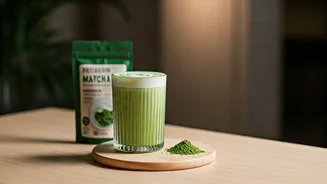
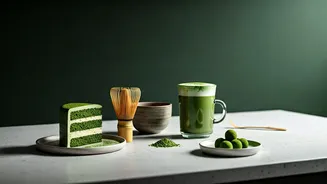
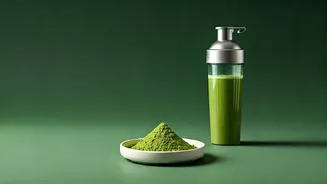
First, let’s clear up what matcha is and isn’t. While it comes from the same plant as regular green tea (Camellia sinensis), the process is completely different. Matcha is made from shade-grown tea leaves that are deveined, destemmed, and stone-ground
into a fine, bright green powder. Unlike traditional tea where you steep the leaves and discard them, with matcha you consume the entire leaf. This means you’re getting a far more concentrated dose of the nutrients, antioxidants, and other beneficial compounds that make green tea so celebrated. Think of it as the difference between boiling spinach and eating the whole leaf – the nutritional punch is in a different league.
The Calm Energy Buzz
One of the biggest reasons the fitness community is embracing matcha is its unique energy boost. While it contains caffeine, often as much as a small cup of coffee, the effect is vastly different. This is thanks to a rare amino acid called L-theanine, which is abundant in shade-grown matcha. L-theanine promotes the production of alpha waves in the brain, inducing a state of ‘calm alertness.’ Instead of the sharp spike and subsequent crash associated with coffee, matcha provides a sustained, jitter-free energy lift for three to six hours. For gym-goers, this translates to improved focus during workouts without the nervous energy or post-exercise slump.
A Powerhouse of Antioxidants
Beyond energy, matcha is an antioxidant superstar. It is packed with catechins, a type of plant compound that acts as a natural antioxidant. The most powerful of these is epigallocatechin gallate (EGCG), which has been widely studied for its potential to fight inflammation, protect cells from damage, and boost metabolism. For those focused on fitness, this is a huge draw. An increased metabolic rate can aid in fat oxidation, and the powerful anti-inflammatory properties can help with muscle recovery after intense exercise. It’s essentially a drink that works with your body’s recovery and performance goals.
More Than a Drink, It's a Vibe
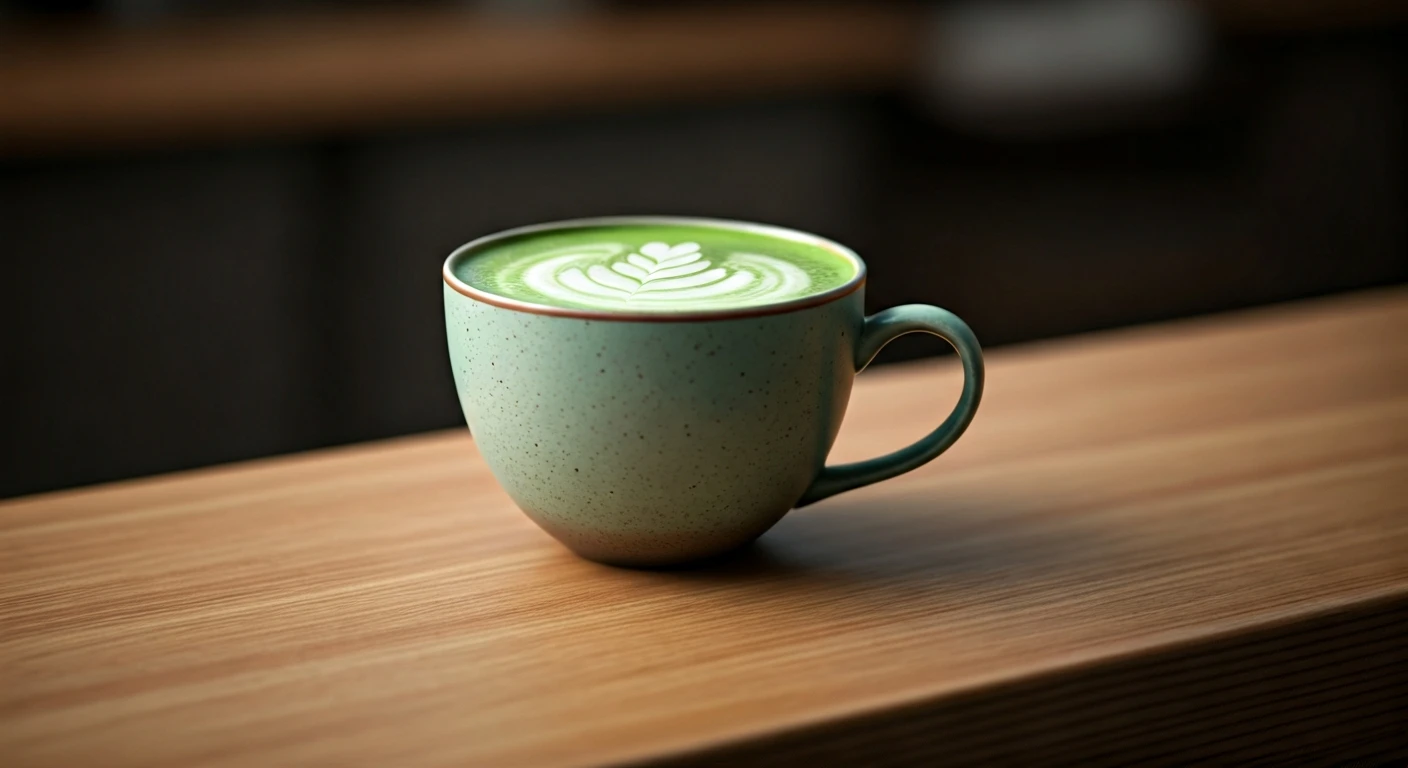
Let’s be honest: in the age of Instagram, aesthetics matter. The brilliant, almost-neon green of a well-prepared matcha latte is incredibly photogenic. Its adoption by global celebrities and wellness influencers has given it an aspirational quality. In Indian metros, cafes from Mumbai to Bengaluru now prominently feature matcha on their menus, positioning it as a sophisticated, modern wellness choice. For many, sipping a matcha is not just a health decision but a lifestyle statement – one that signals a commitment to global wellness trends while feeling contemporary and chic.
Chai's Greener, Cooler Cousin?
So, is matcha here to replace our beloved chai? Not at all. Chai is deeply woven into the fabric of Indian culture – a symbol of hospitality, comfort, and routine. It’s a ritual that’s about connection as much as consumption. Matcha isn’t competing on that front. Instead, it’s carving out its own niche. Fitness enthusiasts are adopting it as a functional beverage – a tool for a specific purpose, like a pre-workout fuel or a mid-afternoon focus aid. It’s seen as a supplement to a wellness-focused lifestyle, not a substitute for the emotional comfort of a home-brewed cup of chai.
How to Get Started
Curious to try it? The easiest entry point is a matcha latte, where the powder is whisked with water and topped with steamed milk (dairy or plant-based), often with a touch of sweetener. You can also add a teaspoon of matcha powder to your morning smoothie or protein shake for an easy nutritional boost. When buying matcha, pay attention to the grade. Ceremonial grade is the highest quality with the most delicate flavour, ideal for drinking on its own, while culinary grade is more robust and better suited for lattes and baking.