


The Global Health Directive
The conversation starts with the World Health Organization (WHO), which has been sounding the alarm on excessive salt consumption for years. The average global salt intake is about 11 grams per day, more than double the WHO's recommended limit of less
than 5 grams (or under one teaspoon). This excess is a major driver of high blood pressure, increasing the risk of cardiovascular diseases, which are the leading cause of death globally. In 2025, the WHO issued its first-ever guidelines specifically recommending that adults consider replacing regular salt with lower-sodium salt substitutes (LSSS). This was based on a review of studies involving over 35,000 people, which found that LSSS can lower blood pressure and reduce the risk of strokes and heart-related deaths.
India's Sodium Overload
The WHO's guidance is particularly relevant for India, where salt consumption is alarmingly high. Estimates show the average Indian consumes 8 to 11 grams of salt daily, far exceeding the recommended limit. This habit contributes significantly to the country's massive burden of non-communicable diseases. According to a 2023 study by the Indian Council of Medical Research (ICMR), over a third of the population, or 315 million Indians, live with hypertension. High blood pressure is a silent killer, leading to heart attacks, strokes, and kidney damage. A crucial detail for India is that nearly 80% of this excess sodium comes from salt added during cooking at home, making household choices a powerful target for intervention.
The Experts' Proposal: A 'Dietary Vaccine'
In response, a growing consensus of Indian doctors, scientists, and public health experts are advocating for a nationwide switch to potassium-enriched low-sodium salt. In April 2026, a panel of experts from institutions like The George Institute for Global Health and AIIMS released a statement urging that LSSS be integrated into national health strategies. Prof. Ambuj Roy of AIIMS, New Delhi, has called it a 'dietary vaccine'—a passive intervention that could provide round-the-clock cardiovascular protection without requiring drastic changes to diet or taste. The proposal suggests making these salts more accessible and affordable, potentially through government nutrition programs like mid-day meals and the Public Distribution System (PDS).
What Exactly Is Lower-Sodium Salt?
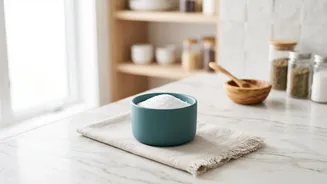
So, what is this proposed alternative? Lower-sodium salt substitutes look, taste, and cook very much like regular salt. The key difference is their chemical composition. Instead of being 100% sodium chloride, a portion (typically 25-30%) is replaced with potassium chloride. This simple change has a dual benefit: it cuts down on harmful sodium while increasing the intake of potassium, a mineral that helps counteract sodium's effects and lower blood pressure. Most Indian diets are not only high in sodium but also deficient in potassium, making this a two-pronged solution.
The Potential Impact and Hurdles
The potential health gains are immense. One modeling study estimated that a nationwide switch to potassium-enriched salt in India could prevent nearly 400,000 deaths from cardiovascular and kidney disease annually. However, there are challenges. These salts are currently more than twice as expensive as regular iodised salt and are not widely available, especially in smaller grocery shops. There are also safety considerations. While safe for the general population, individuals with severe kidney disease or those on specific medications need to be cautious about increased potassium intake and should consult a doctor. Experts are calling for updated FSSAI regulations to make the product a standard 'edible salt' category, with clear labelling and subsidies to make it an affordable choice for everyone.