







Why Your Gut Slows Down
The cosy, damp weather of the monsoon has a direct impact on our body's digestive fire, or 'Agni' as it’s known in Ayurveda. The increased humidity in the atmosphere is believed to slow down our metabolism and weaken this digestive power. This makes it harder
for your stomach to break down heavy, oily, or complex foods. Scientifically, the high moisture content in the air also creates a breeding ground for bacteria and viruses. This means the risk of food and water contamination skyrockets. A sluggish digestive system is less equipped to fight off these pathogens, making you more susceptible to infections like gastroenteritis, diarrhoea, and other water-borne illnesses. It’s a double whammy: your digestive engine is running on low, just as the threat of infection is at its peak.
Embrace Light and Warm Foods
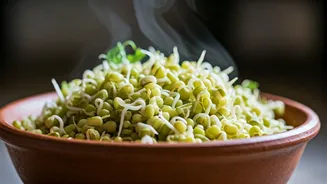
Since your digestive system is already working overtime, the kindest thing you can do is give it easily digestible food. This is the season to fall in love with soups, steamed vegetables, and well-cooked lentils (dal). Think warm, light, and nourishing. Foods like lauki (bottle gourd), tori (ridge gourd), parwal (pointed gourd), and moong dal are excellent choices as they are easy on the stomach. A warm bowl of khichdi isn't just comfort food; it's a perfect monsoon meal that provides balanced nutrition without taxing your gut. Conversely, try to reduce your intake of heavy, fried foods. While the craving for pakoras and samosas is strong when it’s raining, these oily snacks are exactly what your sluggish digestion struggles with, often leading to bloating, acidity, and indigestion.
Rethink Raw Salads and Street Food
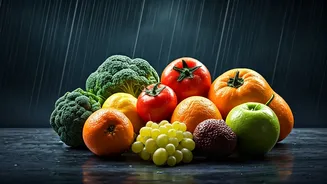
As refreshing as a crisp salad might seem, raw vegetables should be consumed with extreme caution during the monsoon. Leafy greens like spinach and cabbage, grown in moist soil, can harbour germs, worms, and bacteria that are hard to wash away. The risk of contamination is simply too high. If you must have them, ensure they are blanched or steamed thoroughly. The same logic applies to street food, especially items like pani puri, chaat, and fruit juices. The water used is often of questionable quality, and food left exposed to the humid air can quickly become a breeding ground for harmful microbes. This doesn't mean you have to give up your favourite snacks, but it’s far safer to prepare them at home where you can control the hygiene and quality of the ingredients.
Hydrate Smartly, Not Just Heavily
Staying hydrated is always important, but *how* you hydrate matters more during the monsoon. Always opt for boiled, filtered, or purified water to avoid water-borne diseases. Instead of ice-cold beverages that can further dampen your digestive fire, switch to warm or room-temperature drinks. Herbal teas are your best friend this season. A cup of ginger-tulsi tea or a simple concoction of boiled water with ajwain (carom seeds) and jeera (cumin seeds) can work wonders for digestion and help keep infections at bay. These traditional remedies not only provide hydration but also have anti-inflammatory and anti-bacterial properties that support your overall health.
Boost Gut Health with Spices and Probiotics
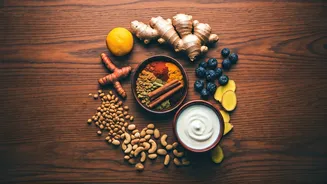
Your kitchen spice box holds the key to a happy monsoon gut. Spices like haldi (turmeric), ginger, garlic, black pepper, and hing (asafoetida) are known for their digestive and immunity-boosting properties. Adding a pinch of turmeric to your milk or incorporating fresh ginger and garlic into your cooking can help strengthen your system from within. Probiotics are also crucial for maintaining a healthy balance of gut bacteria. Including freshly made dahi (yogurt) or buttermilk in your daily diet is an excellent way to support your digestive tract. These foods introduce beneficial bacteria that aid digestion and help your body fight off harmful pathogens, providing an essential line of defence during this vulnerable season.