



Looking to make your home feel more inviting and complete? The secret often lies not in colour or furniture, but in texture. Incorporating soft textures is one of the easiest ways to add warmth, depth, and a sense of cosiness to any room.
Start with a Foundation of Rugs
A rug is the
anchor of a room, and choosing one with a pleasing texture can instantly make a space feel warmer. For high-traffic areas, a natural fibre rug like jute or sisal adds an earthy, durable texture. In bedrooms or living rooms, a plush, high-pile wool or shag rug provides a soft and luxurious feeling underfoot. Layering rugs is another professional trick; placing a smaller, patterned, or plusher rug on top of a larger, neutral one creates immediate depth and interest. The key is to ensure the rug is large enough to unify the main furniture pieces, with at least the front legs of your sofa and chairs resting on it.
Layer Throws and Cushions Generously
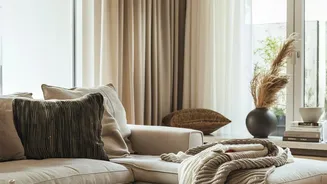
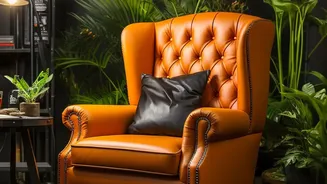
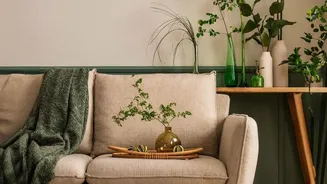
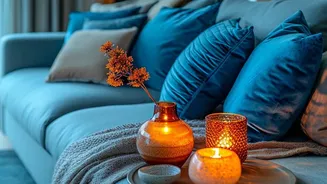
Cushions and throws are the most versatile tools for adding soft textures. They're an affordable way to experiment with different materials and can be swapped out seasonally. The trick is to mix and match. Combine cushions in different fabrics like velvet, linen, bouclé, and chunky knits. Don't be afraid to contrast materials; a plush velvet cushion on a crisp linen sofa, or a chunky knit throw draped over a smooth leather chair, creates an inviting and touchable moment. Aim for an odd number of cushions for a more relaxed, less formal look.
Soften Windows with Curtains
Hard window blinds can feel stark. Swapping them for fabric curtains is a simple way to add a layer of softness. Lightweight, sheer curtains made of linen or cotton diffuse natural light beautifully, creating a gentle, calming glow in the room. For more warmth and a plusher feel, consider heavier drapes in materials like velvet. Hanging curtains higher and wider than the actual window frame can also make the room feel taller and more spacious, while allowing the fabric to frame the space elegantly.
Incorporate Textured Furniture
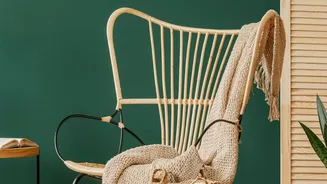
Your furniture itself can be a source of soft texture. An armchair upholstered in a tactile fabric like bouclé or velvet can serve as a cosy focal point. Even if you have a sleek leather sofa, you can balance its smooth surface by pairing it with softer elements. An upholstered ottoman or a fabric headboard in a bedroom adds a layer of comfort and visual softness that balances harder materials like wood or metal. These larger pieces make a significant impact, setting a comfortable tone for the entire room.
Weave in Natural Elements
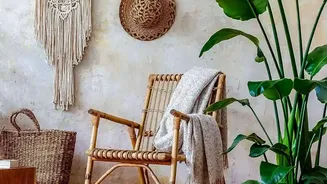
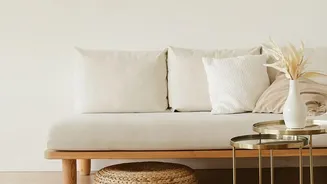
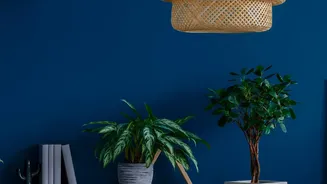
Softness isn't limited to fabrics. Natural and organic materials provide a different kind of texture that brings warmth and character to a space. Think of woven baskets for storage, which introduce a rustic, handmade feel. Dried grasses like pampas or bunny tails in a ceramic vase add a delicate, airy texture that lasts for years. Other elements like raw wood accents, clay pottery, and even indoor plants contribute to a layered, balanced environment, softening modern lines and making the room feel more grounded and serene.
Don't Overlook the Walls
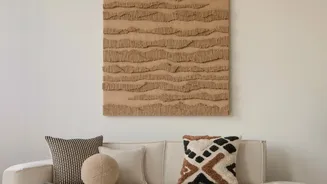
While often ignored, walls offer a huge canvas for adding subtle texture. Instead of a flat paint finish, consider options that provide depth. Grasscloth wallpaper, for instance, brings a natural, woven texture that adds warmth and sophistication. Limewash or plaster finishes create a soft, chalky, and slightly varied surface that catches the light in interesting ways. Even adding simple decorative moulding or beadboard can introduce a structured layer of texture that prevents walls from feeling flat, contributing to the room's overall cosy atmosphere.