








A Tradition Goes Digital
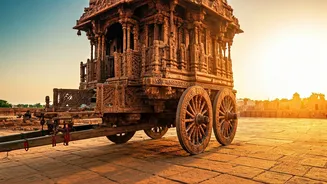
For centuries, the Jagannath Rath Yatra in Puri has followed a sacred, unchanging rhythm. The massive wooden chariots of Lord Jagannath, his brother Balabhadra, and sister Subhadra make their annual journey down the Bada Danda to the Gundicha Temple,
pulled by the sheer faith of lakhs of devotees. This year, however, a new element has been added to the five-millennia-old tradition. The administration, in a bid to enhance crowd management and the devotee experience, has introduced real-time updates on the chariots' locations. This move bridges the gap between a deeply historical event and the expectations of a digitally-connected generation of believers.
How It Actually Works
The magic behind this modern convenience is a combination of Global Positioning System (GPS) technology and a well-coordinated communication strategy. The Puri police have equipped the three main chariots with GPS tracking devices. This technology, often used for vehicle navigation, has been repurposed to serve a spiritual procession. The live location data from these trackers is then fed into a central control room. From there, the information is disseminated to the public through various channels. While the exact platform is still being rolled out, it is expected to be accessible via dedicated websites, official social media handles, and potentially through QR codes, similar to a system recently introduced for the Kolkata Rathayatra. This allows anyone with a smartphone, whether in the crowded streets of Puri or watching from home, to know the precise location of the divine procession.
Enhancing the Pilgrim Experience
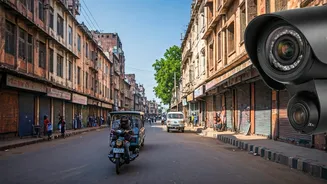
The primary goal of this initiative is to improve the experience for the millions of devotees who throng Puri for the festival. For those on the ground, the Grand Road (Bada Danda) can be an overwhelming sea of humanity. Knowing the exact position of the chariots helps pilgrims plan their movement, find less congested viewing spots, and manage their day without the anxiety of missing a darshan. It allows families to coordinate and navigate the crowds more safely and efficiently. For the elderly or those with mobility challenges, this information is invaluable in planning a manageable pilgrimage. This tech-driven approach is part of a wider effort by authorities to make the massive event smoother, which also includes deploying AI-enabled cameras for crowd monitoring and ensuring better infrastructure like lighting and sanitation.
Connecting Devotees Everywhere
The benefits of real-time tracking extend far beyond the physical boundaries of Puri. For millions of Hindus around the world, the Rath Yatra is a deeply significant event. Many who cannot make the pilgrimage watch the proceedings through live telecasts and web streams. The addition of live location tracking adds a new layer of immersive participation. A devotee in Mumbai, London, or New York can now follow the divine journey on a map, feeling a more tangible connection to the rhythm of the festival. It transforms the passive act of watching a video feed into an active, engaging experience, allowing them to track the procession's slow, devotional progress from the Jagannath Temple to the Gundicha Temple and back.
The Bigger Picture: Faith in the Digital Age
Puri's adoption of this technology is not an isolated event but a reflection of a larger trend across India, where ancient traditions are increasingly interfacing with modern tools. From digital payment options for temple donations to AI-powered crowd management at major religious gatherings, technology is being used to make faith more accessible, manageable, and safe. While some may see it as a departure from tradition, proponents view it as a necessary evolution. The core rituals and deep-seated faith remain unchanged; the technology simply serves as a new conduit. By providing real-time information, the administration is not just managing a crowd but also empowering devotees, ensuring that this timeless journey of faith continues to resonate in an ever-changing world.