





A Much-Needed Soaking
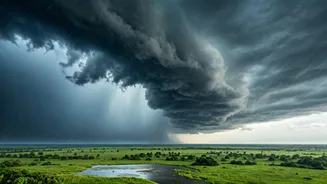
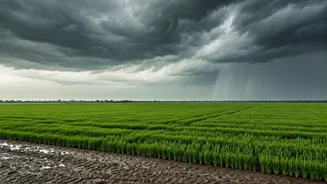
After a nail-biting, delayed start to the season, several states in Central India, including Madhya Pradesh, Chhattisgarh, and parts of Maharashtra, have received significant rainfall in recent weeks. This has been a huge relief, especially for the agricultural
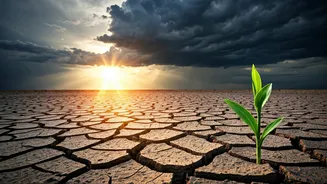
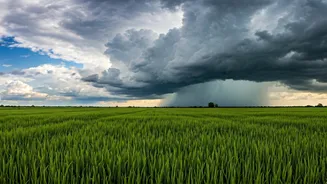
sector. The arrival of these rains has helped farmers who were anxiously waiting to begin sowing for the Kharif season. The downpours have begun replenishing dry riverbeds and reservoirs, bringing down the immediate rainfall deficit that had been building since June. In many districts, what was a large deficit has shrunk to a near-normal or even surplus figure for the recent period. This tangible, visible progress is the 'good news' part of the story, providing a crucial window for agricultural activities and easing concerns about immediate water scarcity.
The Bigger Picture: A Seasonal Forecast
So, if it’s raining now, why are meteorologists still cautious? It’s crucial to understand the difference between short-term weather and a long-term seasonal forecast. When the India Meteorological Department (IMD) warns of a 'below-normal' monsoon, it is referring to the total cumulative rainfall expected across the entire four-month season, from June to September. This prediction is measured against the Long Period Average (LPA), which is the average monsoon rainfall recorded over the last 50 years. A forecast of below 96% of the LPA is considered 'below-normal'. These forecasts are about the overall performance of the monsoon system, not a day-by-day prediction. Therefore, even in a season that is forecast to be drier than average overall, there can still be periods of intense, heavy rain.
Not All Rain is Created Equal
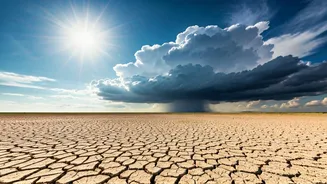
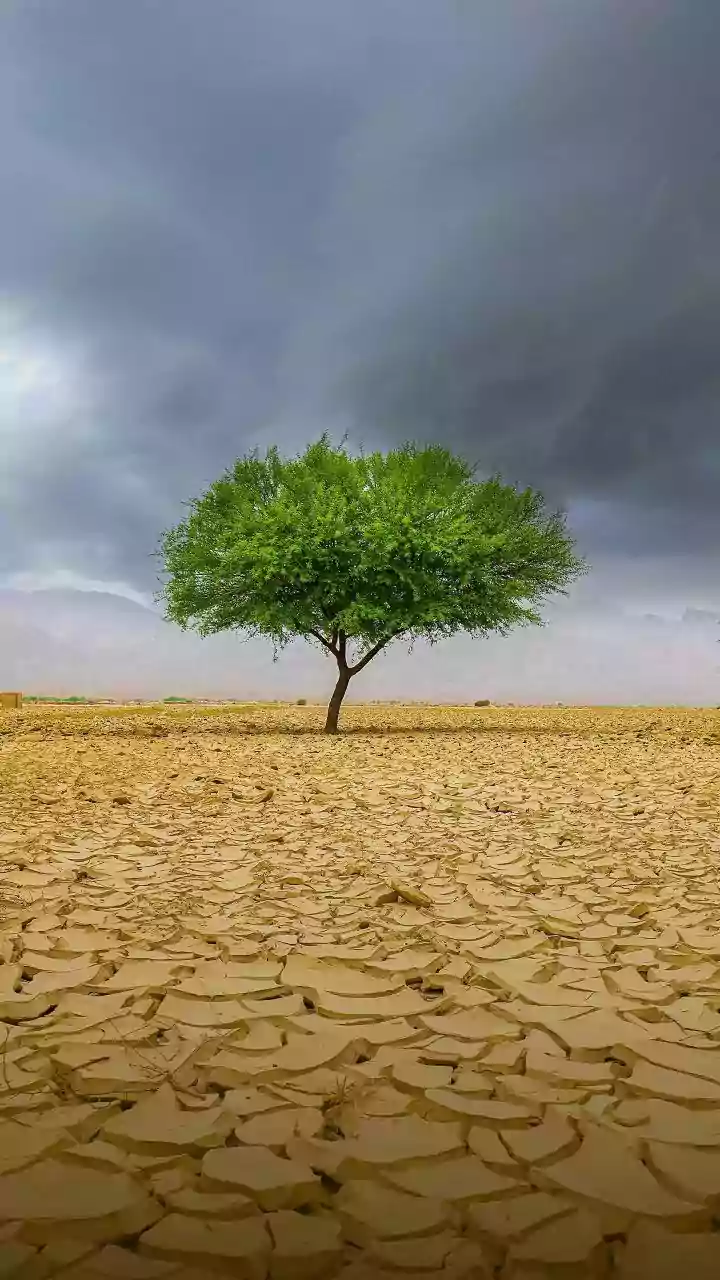
A key characteristic of the Indian monsoon is its variability, both in terms of geography and time. The monsoon doesn't arrive as a steady, uniform drizzle that lasts for four months. Instead, it’s a series of active and break periods. 'Active' spells bring widespread, heavy rain for several days, like the one Central India is experiencing. 'Break' spells are periods of little to no rain. In a below-normal year, these break periods can be longer or more frequent, or the active spells might be less intense or cover a smaller area. The current spell of rain is a classic active phase. The concern from forecasters is that the underlying conditions that led to the below-normal prediction—such as the influence of an El Niño—might lead to extended 'break' periods later in July or August, which are critical months for crop growth.
What’s Driving the Mixed Signals?
The primary driver behind the cautious long-term outlook has been the development of an El Niño in the Pacific Ocean. Historically, El Niño events are often correlated with weaker monsoon rains in India. This large-scale atmospheric pattern tends to suppress the formation of rain-bearing systems over the subcontinent. However, the monsoon is a complex beast influenced by multiple factors. Other elements, like the Madden-Julian Oscillation (MJO)—a moving pulse of clouds and rainfall near the equator—can temporarily bring heavy rains even during an El Niño year. Similarly, the state of the Indian Ocean Dipole (IOD) can either help or hinder the monsoon. The current rains are likely a result of a favourable position of the MJO and other regional systems, creating a powerful but potentially temporary active spell that is overriding the larger, suppressive effect of El Niño for now.
Impact on the Ground
For farmers, this rain is a lifeline. It has enabled the sowing of crucial crops like soybean, cotton, and pulses. However, the initial delay and the overarching forecast mean that uncertainty remains. Agricultural experts are advising farmers to choose their crops wisely, perhaps opting for varieties that are more resilient to dry spells. On the water management front, while city dwellers may rejoice at the cooler weather, civic authorities are focused on the bigger picture: reservoir levels. The recent rains have started to improve water levels in major dams across the region, but they are still below the levels seen at this time in a 'normal' monsoon year. The true test will be whether subsequent spells of rain are strong enough to fully replenish these vital water sources to last through the next dry season.