




The Festive Scramble
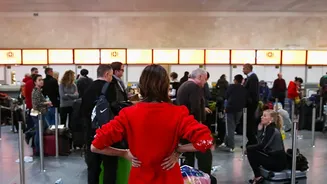
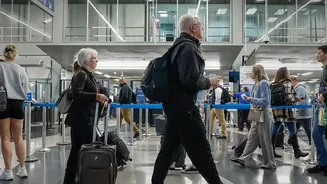
As Diwali and Chhath Puja approach in early November, a familiar pattern is emerging across India's travel portals: a frantic search for tickets home. What's different this year is the sheer resilience of demand in the face of daunting prices. According
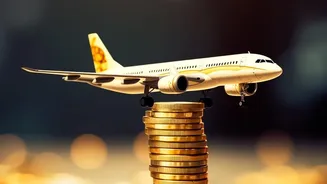
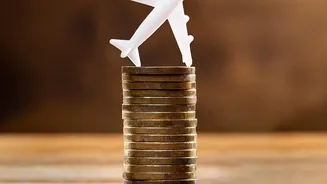
to recent surveys, a majority of travellers are paying significantly more than they did last year. For instance, one-way tickets on high-demand routes like Mumbai to Patna and Bengaluru to Patna have reportedly crossed the ₹25,000 mark for travel just before Diwali. This surge isn't just a last-minute phenomenon; fares on key routes have been trending upwards for weeks. The emotional pull to be with family during the most important festival period of the year appears to be overriding budget concerns for a large number of people, creating a perfect storm for fare hikes.
Decoding the Price Shock
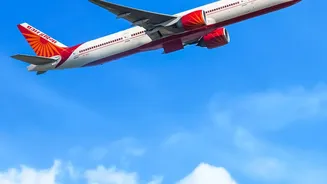
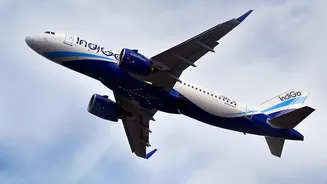
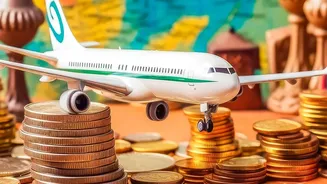
So, what’s behind this dramatic increase in airfares? It’s a combination of reduced capacity and rising costs for airlines. Major carriers like Air India and IndiGo have actually scheduled fewer domestic flights for the October-December quarter compared to last year. While they are using larger aircraft to keep the total number of seats broadly stable, the reduction in flight frequencies means fewer departure options on peak days. This limited availability on popular routes gives airlines significant pricing power. Compounding the issue are soaring operational costs. International prices for Aviation Turbine Fuel (ATF), which can account for 40-60% of an airline's expenses, have risen sharply in recent months. These increased costs are inevitably passed on to consumers, making every ticket more expensive even before the festive demand kicks in.
The Routes Feeling the Pinch
The price hikes are not uniform across the country. The most affected routes are the ones connecting major metropolitan hubs with hometowns in states like Uttar Pradesh, Bihar, West Bengal, and Kerala. According to data from early October, average one-way fares on the Delhi-Hyderabad route were up by as much as 68% year-on-year, while the Mumbai-Kolkata route saw a 51% jump. Other popular sectors like Delhi-Goa and Mumbai-Bengaluru have also seen significant increases. This reflects a predictable pattern: a massive migration of professionals and students from the big cities where they work and study, all heading home within the same narrow travel window. The demand on these 'homecoming' routes is intense and relatively inelastic, as festive travel is often considered non-negotiable.
Why Are People Still Paying?
The core of this story is the unwavering determination of people to travel. After years of pandemic-related restrictions and disruptions, there is a palpable desire to reconnect with family and celebrate traditions. For many, Diwali is the one time of year the entire family gathers, and the social and emotional value placed on this is immense. This sentiment, often dubbed 'revenge travel' in a post-pandemic context, has evolved into a prioritisation of experiences and family connections over saving money. Furthermore, with rising incomes for some segments of the population, the increased cost, while painful, is being absorbed as a necessary expense for an essential journey. The alternative, taking a train, also presents challenges, with confirmed tickets on popular routes being notoriously difficult to secure during the festive rush.