



The Soul of South India in a Powder
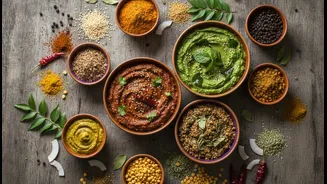
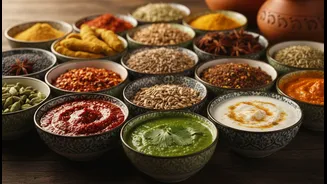
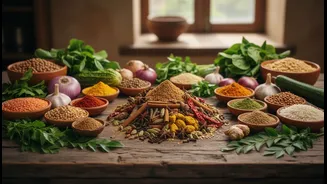
Before it was a trendy ingredient, podi was—and still is—a household staple across South India. The word itself simply means ‘powder’ in languages like Tamil and Telugu. But that’s underselling it. Podi is a flavour bomb, a dry, coarse blend of roasted
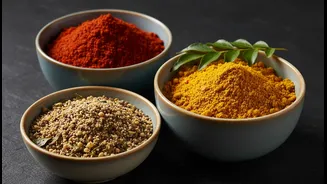
lentils, seeds, and spices like red chillies, black pepper, and curry leaves. Each family has its own heirloom recipe, a signature blend passed down through generations. Traditionally, a spoonful of this ‘gunpowder,’ as it's affectionately called, is mixed with ghee or sesame oil to create an instant chutney for idlis, dosas, and steamed rice. It’s the taste of home, a comforting crunch and a burst of flavour all in one.
From Kitchen Staple to Gastropub Star
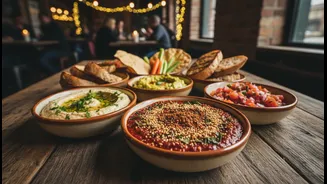
So how did this humble pantry essential find its way onto the small-plates menus of chic urban gastropubs? The shift is part of a larger culinary movement in India, where chefs are looking inward for inspiration. Instead of just replicating global trends, they are re-discovering and re-interpreting the country's vast and varied regional cuisines. The modern gastropub, with its focus on casual, experimental dining and inventive bar snacks, provides the perfect stage. Diners today are more adventurous, seeking flavours that are both exciting and authentic. Podi fits the bill perfectly—it’s a familiar flavour for many, yet feels novel and exciting in a new context.
The Anatomy of the Swap
The genius of the podi-to-dip transformation lies in its elegant simplicity. Chefs are taking the fundamental flavour profile of podi—nutty, spicy, and deeply savoury—and infusing it into creamy bases that are staples of pub fare. Think of a classic garlic aioli, but with a spoonful of fiery milagai podi swirled in to accompany a bowl of crispy fries. Or imagine a cool, tangy Greek yogurt or sour cream dip, given an electrifying twist with a generous mix of sesame-based til podi. These creations go beyond simple fusion; they are thoughtful conversations between different culinary traditions. The creamy dip tames the podi’s fierce heat just enough, while the podi gives the familiar dip an unforgettable Indian identity.
The Chef as Cultural Translator
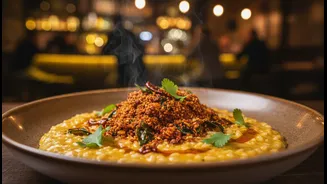
The chefs driving this trend see themselves as more than just cooks; they are cultural translators. They understand that podi is not just a mix of spices, but an ‘emotion’ tied to memories and tradition. By incorporating it into a format like a gastropub dip, they are making it accessible to a new generation of diners who might not have grown up eating it with idlis. This approach is being applied to more than just dips. You can now find podi-dusted calamari, podi-infused butter for steaks, and even podi spaghetti making waves online. It's a way of honouring the past while confidently striding into the future, creating dishes that are unapologetically Indian yet global in their appeal.
A Taste of Modern India
Ultimately, the rise of the podi dip is more than just a fleeting food trend. It represents a newfound confidence in Indian cuisine. For years, Indian food in mainstream settings was often simplified or toned down. Now, chefs and diners alike are celebrating the bold, complex, and regionally specific flavours that define the country’s cooking. This trend is about creating something that is, as one industry report puts it, 'Most Advanced Yet Acceptable'—new enough to be exciting, but familiar enough to be comforting. It’s a delicious sign of the times, where tradition isn't something to be preserved behind glass, but a living, breathing ingredient to be played with, innovated upon, and, most importantly, enjoyed.