




The Foundation: More Than Just an Invitation
The 'invitation' formally extended in August 2026 is the culmination of a deepening strategic alignment between the two space powers. It builds upon India's decision to sign the Artemis Accords in June 2023, a U.S.-led framework outlining principles for peaceful
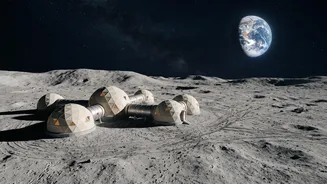
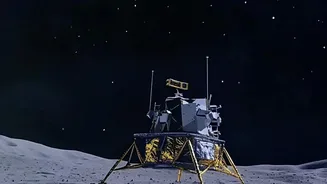
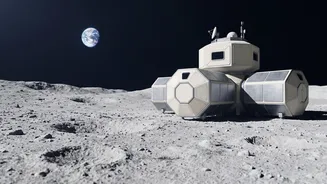
and sustainable lunar exploration. By joining this coalition, India positioned itself as a key partner in the next chapter of human spaceflight. The Accords are the rulebook, and the Moon Base program is the game. This invitation isn't just for a single mission; it's a call to help build a permanent human outpost on the lunar surface, specifically near the Moon's south pole where India has already demonstrated its prowess with the Chandrayaan-3 landing.
Fueling a Multi-Billion Dollar Industry
For India, the economic implications are immense. The Indian space economy, currently valued at around $9 billion, is projected to soar to over $40 billion by the next decade. Participation in the Moon Base program provides a direct pathway for Indian companies to integrate into the highly lucrative global space supply chain. This goes far beyond ISRO. It means opportunities for hundreds of private startups in India, which have grown from just one in 2014 to over 400 today, to bid for contracts to develop everything from advanced robotics and life-support systems to habitats and power generation units for the lunar surface. Companies like Skyroot Aerospace and Agnikul Cosmos, which are already making strides in launch technology, could pivot to support lunar logistics, creating high-value jobs and driving innovation.
A Quantum Leap in Technology and Expertise
Working alongside NASA and other international partners like the European and Canadian space agencies offers an invaluable transfer of knowledge. Developing technology for a sustained human presence on the Moon is one of the most complex challenges ever undertaken. Through this collaboration, Indian scientists and engineers will gain firsthand experience with cutting-edge materials, closed-loop life support, and long-duration spaceflight systems—expertise that would take decades and immense investment to acquire independently. This know-how can then be spun off to benefit other sectors of the Indian economy, from medicine and manufacturing to energy. It also directly supports India's own ambitious goals, including the Gaganyaan human spaceflight program and the vision to establish a 'Bharatiya Antariksha Station' by 2035.
Solidifying India's Place at the High Table
This partnership is as much about geopolitics as it is about astrophysics. In an era of growing competition in space, particularly with China's own lunar ambitions, the U.S.-India collaboration sends a powerful strategic message. By aligning with the U.S.-led Artemis framework, India solidifies its stature as a leading, responsible space power committed to a transparent, rules-based order in space. This diplomatic and strategic clout is crucial. It ensures India has a seat at the table when future norms for space resource utilization and celestial governance are decided, protecting its national interests while contributing to a stable and sustainable future for space exploration.