




The launch of Grand Theft Auto VI isn't just a gaming event; it's a nationwide cultural phenomenon reshaping nightly routines. As millions dive into the virtual world of Vice City, the real world is seeing a massive surge in demand for one thing: late-night
food.
The 'GTA Effect' on Kitchens and Couriers
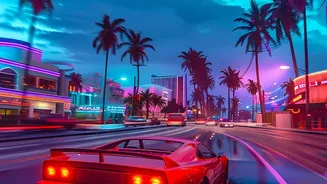
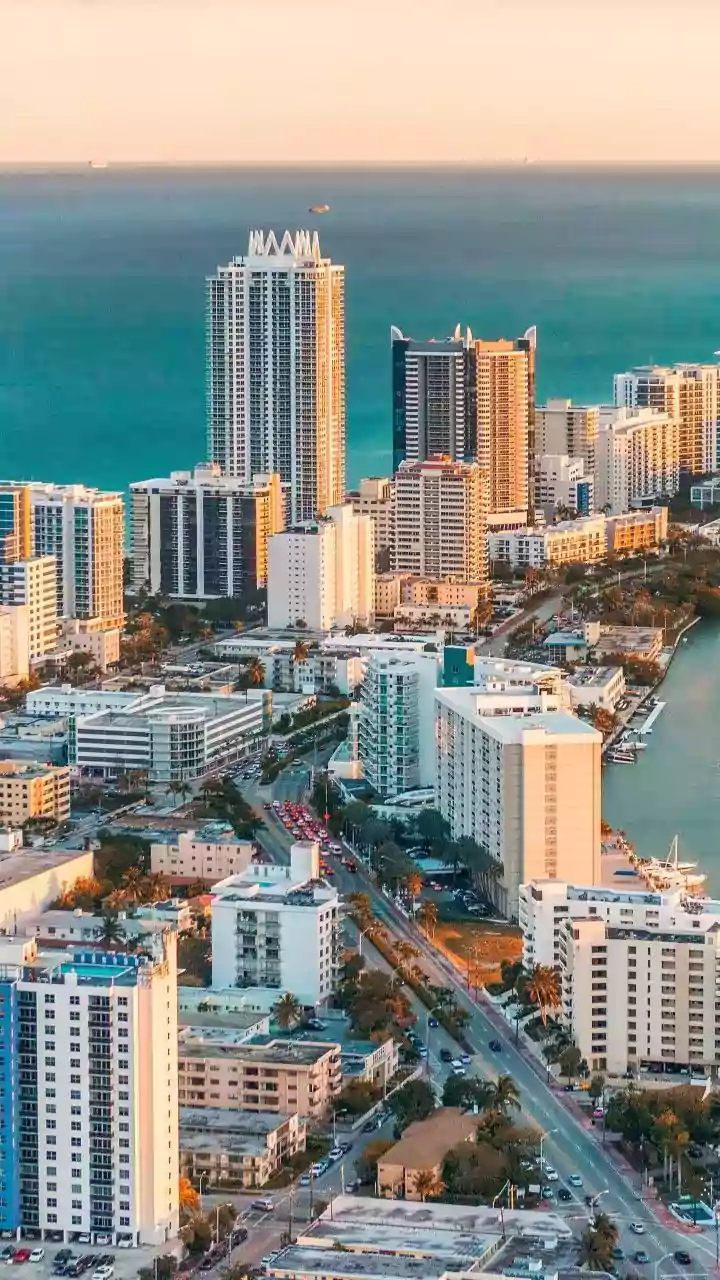
On November 19, after a 13-year wait, 'Grand Theft Auto VI' finally launched, and the ripple effects were felt almost immediately in kitchens and on streets across America. Food delivery giants reported a significant, coordinated spike in late-night orders as millions of players settled in for marathon sessions. DoorDash noted that between 9 p.m. and 2 a.m. around the launch, orders for classic gaming fuel like pizza, burgers, chips, and fries jumped by over 10 percent each. Energy drink orders saw an even sharper climb of 20 percent. Uber Eats reported its own staggering figures, with orders for Red Bull Watermelon soaring by 95 percent and Totino's Pizza Rolls up 54 percent. The trend was particularly strong in major cities, with Miami—the real-world inspiration for the game's Vice City—seeing a nearly 25 percent rise in late-night orders on DoorDash and a more than 30 percent jump on Uber Eats. Other cities like Philadelphia, Detroit, and Atlanta also saw double-digit growth, painting a clear picture of a national trend.
Not Just a Game, A Cultural Holiday
To understand the surge, it’s crucial to recognize that a launch like GTA VI is less a product release and more of a pre-planned cultural holiday for millions. This is not just a few hours of distraction; for dedicated fans, it’s a multi-day immersive event. The scale is immense, with the game generating an estimated $1.65 billion in pre-orders alone. Many players planned for this moment weeks in advance. Payroll processor Gusto reported a 9 percent increase in paid time off requests for the game's release day, with some employees transparently listing 'GTA 6' as the reason for their absence. This 'bunker' mentality—clearing schedules, ignoring household chores, and staying glued to the screen—makes convenience a top priority. Cooking is out; delivery is in. The phenomenon has become so predictable that it's reshaping how adjacent industries view major entertainment releases.
A Predictable Boom for the Gig Economy
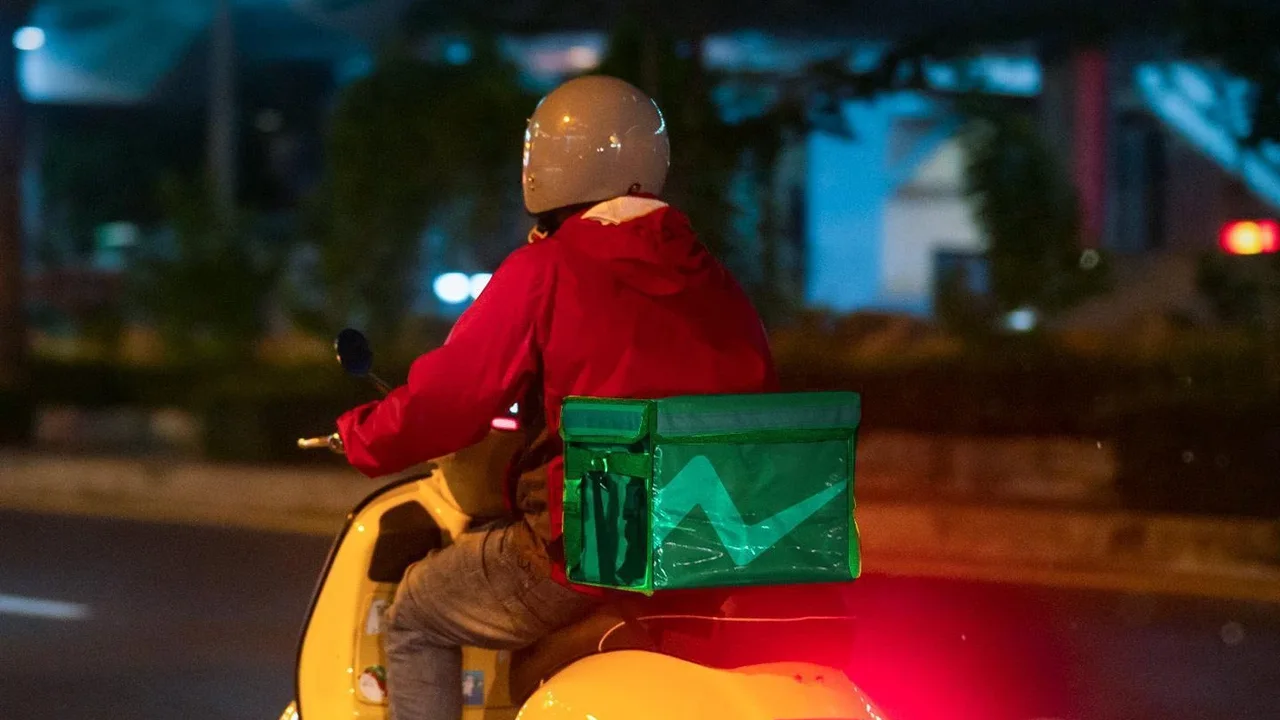
What was once a quirky side effect of gaming culture is now a predictable, data-driven business opportunity. Food delivery platforms like Uber Eats and DoorDash no longer just react to these spikes; they anticipate them. Ahead of the GTA VI launch, services rolled out targeted promotions to capitalize on the captive audience. Uber Eats specifically curated deals for food that could be eaten with one hand, such as McDonald's McNuggets and Wingstop's boneless wings, so players wouldn't have to pause their game. Companies also offered discount codes to further entice players, with some promotions being claimed within minutes. For the gig economy, these launches provide a welcome and forecastable boost in demand, creating more opportunities for delivery drivers during late-night hours that might otherwise be quiet. Market intelligence firm Sensor Tower predicted the launch would drive 50 million extra food app visits in the U.S. over 30 days.
From Virtual Worlds to Real-World Profits
The economic impact wasn't just limited to food. DoorDash reported a staggering 450 percent increase in orders for gaming accessories like controllers and a 440 percent jump for HDMI cables on launch night, suggesting many were making last-minute preparations. This illustrates a broader trend: massive digital events create very real, tangible spending in the physical world. While the billions in revenue for game developer Rockstar is the main headline, the secondary economy that springs up around it is a powerful force. From the local pizza place getting a record number of Wednesday night orders to the delivery driver earning extra income, the launch of a game like GTA VI demonstrates how deeply virtual entertainment is integrated into our economic reality. It's a clear signal that what happens on our screens has the power to directly fuel cash registers on our streets.