




More Than Just a Pretty Space
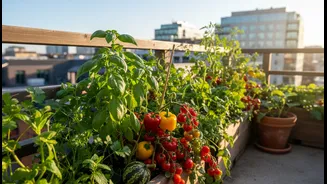
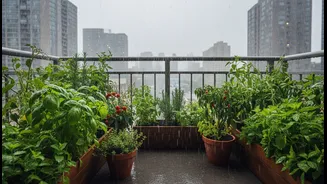
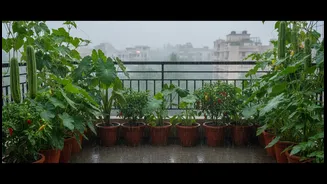
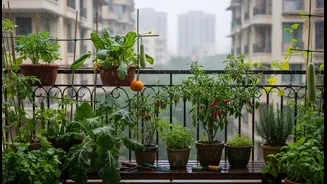
The edible balcony trend is about turning compact urban spaces into productive mini-farms. For many city dwellers, it’s a response to shrinking green spaces and a desire for a deeper connection with nature. The motivations are varied: some seek the assurance
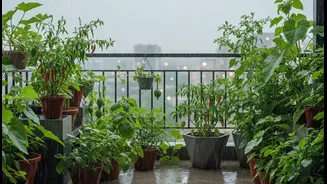
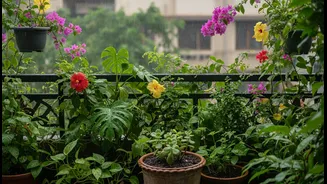
of pesticide-free produce, others enjoy the therapeutic benefits of gardening, and many are drawn by the simple joy of cooking with ingredients they've grown themselves. What began for some as a lockdown hobby has blossomed into a permanent fixture in many homes, providing not just food but also a sense of accomplishment and well-being. This movement transforms overlooked nooks into lush, green retreats that are both beautiful and functional.
The Question of What to Grow
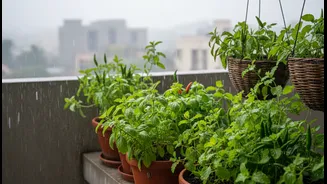
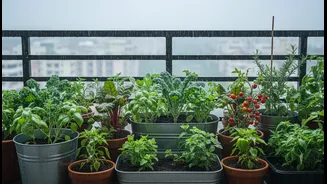
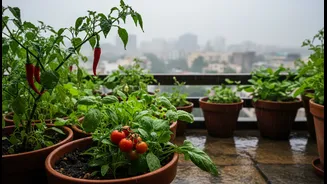
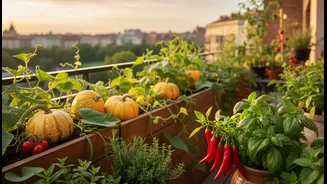
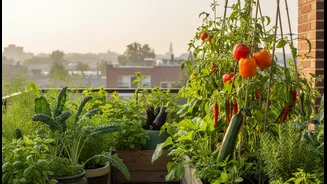
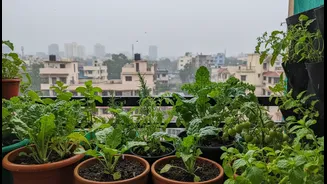
The first question for any aspiring balcony gardener is what to plant. For Indian homes, the answer often lies in daily cooking essentials. Herbs are a perfect starting point; mint, coriander (dhania), holy basil (tulsi), and curry leaves are low-maintenance and thrive in pots. Leafy greens like spinach (palak), fenugreek (methi), and lettuce grow quickly and can be harvested multiple times. Chillies are another balcony favourite, as they are hardy plants that do well in containers. For those with a bit more space and sunlight, compact varieties of tomatoes, especially cherry tomatoes, are a rewarding choice. The key is to select plants that suit your balcony's specific conditions, particularly the amount of daily sunlight it receives—at least 4-6 hours is ideal for most vegetables.
Tackling the Space Constraint
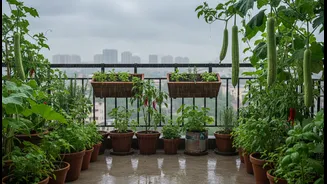
Limited space is perhaps the biggest challenge in urban gardening, but it has inspired creative solutions. Vertical gardening is a game-changer, using wall-mounted planters, tiered racks, or shelves to grow upwards and maximize a small footprint. This method is perfect for lightweight plants like herbs and leafy greens. Trellises set against a wall or railing allow vining plants like beans and even some gourds, such as bitter gourd (karela), to climb without taking over floor space. Hanging baskets are another great option for plants like strawberries or cherry tomatoes. By thinking vertically and choosing space-saving containers like grow bags, even the tiniest balcony can become surprisingly productive.
Soil, Water, and Pesky Pests
Beyond space and plant choice, success hinges on three critical elements: soil, water, and pest management. Container plants require a nutrient-rich, well-draining potting mix, as standard garden soil can become too compact. A mix including cocopeat and vermicompost is often recommended. Watering is crucial because pots dry out much faster than ground soil, especially in the heat. A regular watering schedule, typically in the early morning or evening, is essential. Pests can be a nuisance, but using harsh chemical pesticides is often undesirable in a home environment. Many urban gardeners turn to natural methods like neem oil sprays or companion planting—growing certain plants together to deter pests—to keep their produce healthy and safe to eat.
Is It Worth the Effort?
A balcony garden won't replace your weekly grocery run, but its value extends far beyond the quantity of produce. The primary reward is access to hyper-fresh, flavourful ingredients right at your doorstep. The taste of a homegrown tomato or freshly snipped coriander is unmatched. Furthermore, gardening is a well-documented stress reliever that promotes mental well-being. It also serves as a wonderful family activity, teaching children where their food comes from. Ultimately, the effort is an investment in a healthier lifestyle, a greener home environment, and the simple, profound satisfaction of watching something grow.