






A Simmering Shift in Seasonal Eating
While deep-fried pakoras and masala chai remain iconic monsoon companions, a quieter, healthier trend is simmering on the stove. More and more, home cooks and chefs are turning to slow-cooked broths, light soups, and hearty stews. This shift isn't about
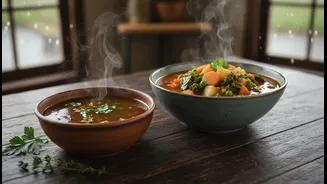
rejecting indulgence but about embracing a different kind of comfort—one that is deeply nourishing, easy to digest, and perfectly in tune with the season. For generations, Indian culinary wisdom has advocated for lighter, warmer foods during the rains to aid a digestive system that naturally slows down in the humid weather. What we are seeing now is a modern revival of this principle, where the gentle heat of the slow cooker and the humble stockpot become the primary tools for monsoon meals.
The Harvest of the Rains
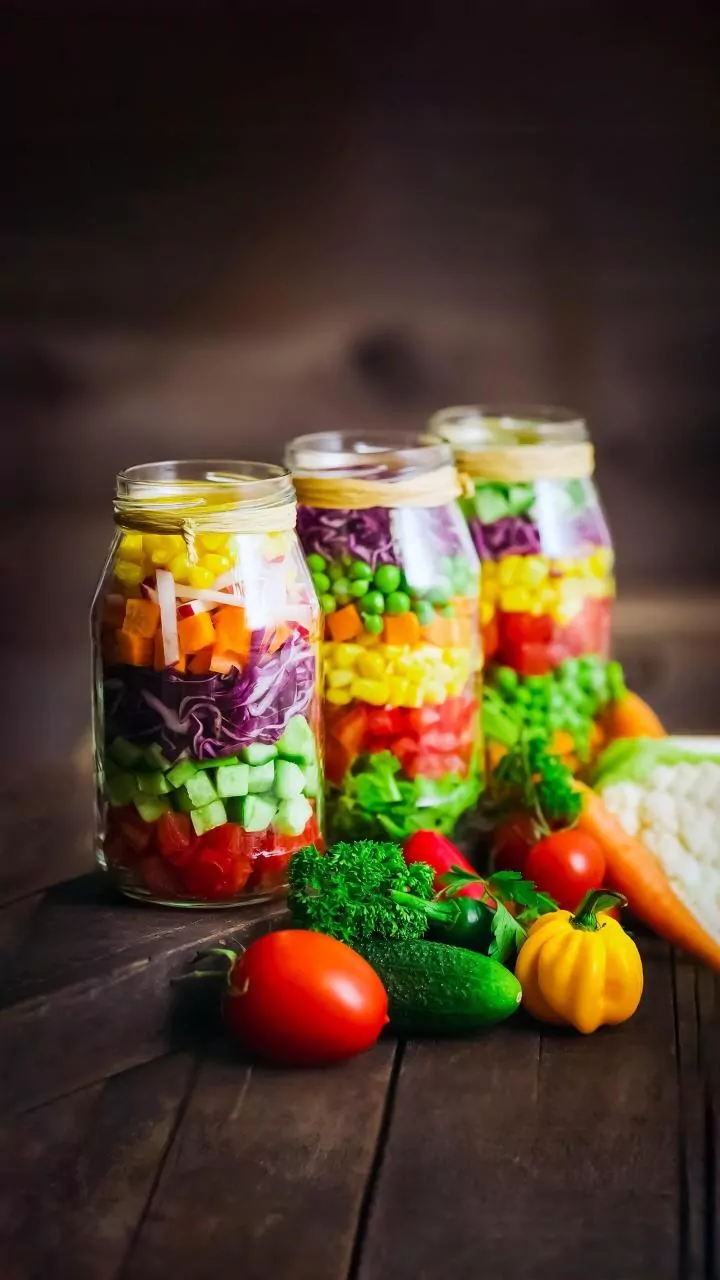
The monsoon brings a unique bounty of produce that thrives in the wet, humid conditions. Supermarket staples give way to a vibrant array of local and seasonal vegetables that are perfectly suited for simmering in broths. Gourds like bottle gourd (lauki), ridge gourd (turai), and bitter gourd (karela) become plentiful. These vegetables, along with okra (bhindi), cucumber, and certain leafy greens like spinach and amaranth (rajgira bhaji), form the foundation of monsoon cooking. They absorb flavours beautifully in a slow-cooked preparation, offering both texture and nutrients. Tubers like taro (arbi) and yam also feature prominently, providing a hearty, starchy element to comforting dishes.
Boosting Immunity, One Bowl at a Time
The appeal of a warm soup during the rains goes beyond simple comfort; it's a strategic move for better health. The monsoon season is often associated with a rise in colds, flu, and other infections. Soups and broths serve as excellent vehicles for immunity-boosting ingredients. Spices like ginger, garlic, turmeric, and black pepper, valued for their anti-inflammatory and antimicrobial properties, are easily incorporated into these dishes. A simple chicken broth can help ward off the flu, while a vegetable-packed lentil soup (dal shorba) or a tangy tomato rasam offers hydration, vital nutrients, and digestive support. These liquid-based meals are gentle on the stomach and help maintain hydration when our thirst might naturally decrease.
From Traditional Wisdom to Modern Menus
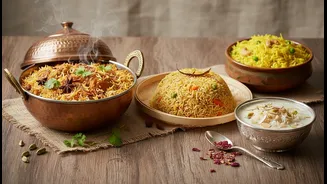
This embrace of slow-cooked meals is rooted in tradition but feels thoroughly modern. Slow cooking itself is not new to Indian cuisine; dishes like Laal Maas and Nihari have always relied on slow-cooking methods to develop deep, complex flavours. Today’s trend, however, focuses on lighter, vegetable-forward preparations. Chefs are creating special monsoon menus that celebrate this ethos. You might find a hearty ground lamb kheema slow-cooked with garden vegetables or a royal Nizami biryani where meat and rice are steamed together with aromatic spices. At home, the slow cooker has become a convenient ally, allowing families to enjoy a flavourful, tenderly cooked meal like a lamb bhuna or chickpea curry with minimal effort.
How to Create Your Own Monsoon Broth
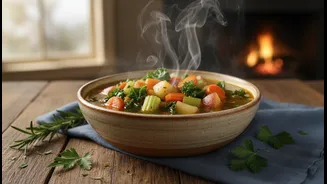
Creating your own nourishing monsoon broth is simpler than it sounds. Start with a base of seasonal vegetables. Don't shy away from using peels and ends of vegetables like carrots and gourds, which are full of flavour and nutrients. To this, add aromatics that provide warmth and health benefits. A knob of ginger, a few cloves of garlic, a stick of cinnamon, and a teaspoon of black peppercorns or cumin seeds are excellent additions. For a more substantial meal, add lentils, chicken, or even goat trotters for a rich paya soup, known for its restorative properties. Let everything simmer on low heat for several hours, allowing the flavours to meld and the nutrients to infuse into the liquid. The result is a comforting, flavourful base for soups or a nourishing drink on its own.