





Know the Battleground: Hotspots and Advisories
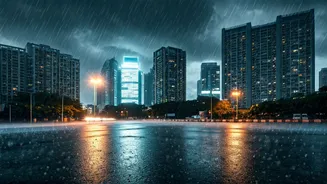
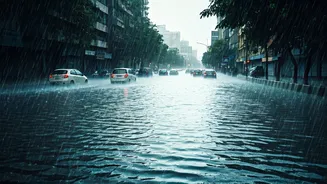
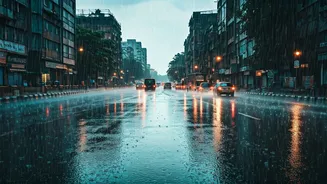
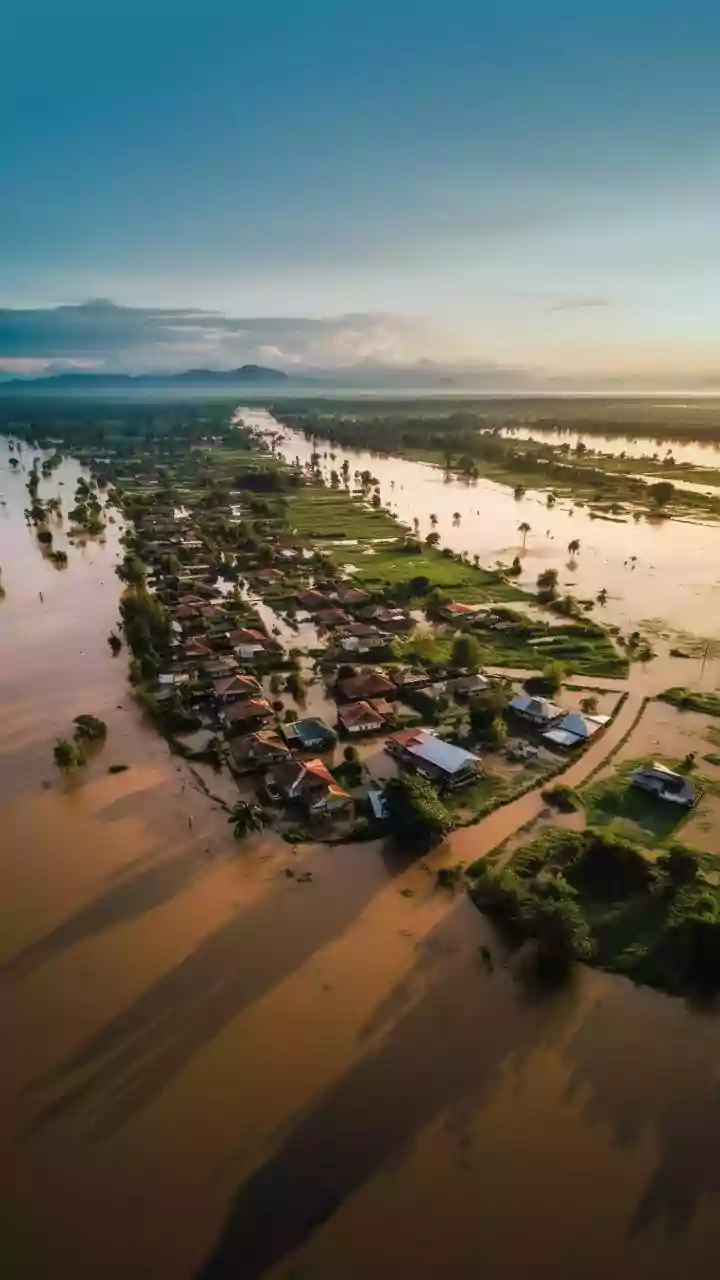
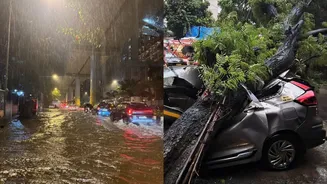
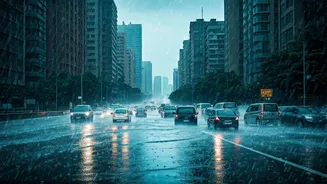
The first rule of monsoon commuting is knowing where not to go. The season's first heavy rains on June 24 brought the city to its knees, with some areas receiving over 300 mm of rainfall in 24 hours. [4] This led to severe waterlogging in perennial hotspots
like the Andheri subway, Hindmata, King's Circle, Sion, and Dadar. [4, 25, 27] The Brihanmumbai Municipal Corporation (BMC) has identified 496 official flooding spots for 2026, even adding traditionally less-affected South Mumbai areas like Churchgate and Oval Maidan to the list. [5] The IMD has issued an 'orange' alert, forecasting more heavy spells. [39] Simultaneously, the BMC has published a high-tide schedule, warning residents to avoid coastal areas during these times as the combination of heavy rain and high tides (over 4.5 metres) drastically increases flood risk. [12, 21]
Level 1: The Local Train Gauntlet
Mumbai's local trains, the city's lifeline, become its most challenging arena. The first heavy spell on June 24 saw services disrupted across Central, Western, and Harbour lines, with delays of up to 20 minutes causing severe overcrowding. [19] A track cave-in on the Trans-Harbour line led to the cancellation of 41 services and forced speed restrictions even after repairs. [6, 17, 19] Water accumulation on tracks at Dadar and other stations slowed down the entire network. [4, 25] Commuters reported significant delays and packed compartments, especially on Central Railway corridors. [25] Before venturing out, checking live status is non-negotiable. While services often continue, the system's reliability plummets, turning a 45-minute journey into a multi-hour ordeal.
Level 2: The Metro and Bus Maze
As train services falter, many turn to the roads and the Metro. BEST buses are a crucial alternative, but they are not immune. On June 24, more than 24 bus routes were diverted due to waterlogging, and nearly 200 buses suffered breakdowns throughout the day. [4, 34] This leaves the Mumbai Metro as an increasingly popular, if crowded, option. The network saw a record-breaking 3.58 lakh riders on June 23 as commuters sought a more reliable alternative. [16, 37] While the Metro is largely protected from waterlogging, especially the underground Aqua Line, stations can become incredibly crowded. [7, 11] Authorities often implement crowd control measures, and commuters should factor in an extra 15-20 minutes for queues and security, especially at interchange stations. [11]
Your Digital Survival Kit: Essential Apps and Alerts
Information is your most powerful weapon. The m-Indicator app is considered a lifeline by Mumbaikars, providing real-time train status updates, schedules for buses and metros, and even fare calculators. [3, 9, 10] Its live train tracking feature, which uses crowd-sourced location data, can tell you exactly where your train is and how late it's running. [13] For road-specific updates, follow the official X (formerly Twitter) handles of the Mumbai Traffic Police and the BMC's disaster management cell. [18] These channels provide instant information on waterlogged areas, traffic diversions, and other disruptions. [18] Many companies now offer flexible work-from-home policies during severe weather; checking with your HR is a wise first move before starting your journey. [18]
Gear Up: The Commuter's Armour
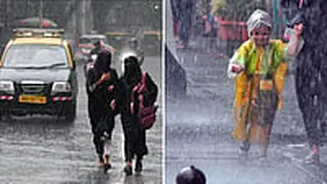
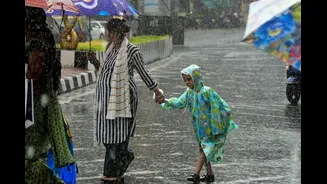
Finally, success depends on your gear. Waterproofing is everything. A sturdy umbrella and a reliable raincoat are non-negotiable. [30] Protect your electronics—especially your phone and laptop—in waterproof bags or sleeves. [18] A fully charged power bank is essential, as travel times can double unexpectedly, and you'll need your phone to access crucial real-time information. [18] Footwear choice is critical: ditch the leather shoes and sneakers for durable waterproof sandals or floaters that can handle wading through knee-deep water. [30] Carrying a small snack and a bottle of clean drinking water can make a huge difference when you're stranded for hours. [30]