


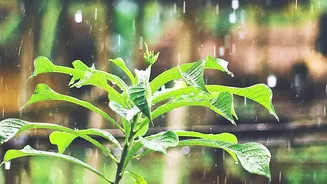
Monsoon Gardening 101: The Golden Rules
Gardening during the monsoon is less about watering and more about managing excess moisture. The biggest threat to your balcony herbs is not a lack of water, but too much of it, which can lead to root rot. The key to success lies in three areas: drainage,
soil, and air circulation. Ensure every pot has drainage holes to let excess water escape. You can even elevate pots on bricks or stands to improve flow. Use a light, well-draining soil mix rather than dense garden soil, which compacts and holds too much water in pots. Finally, avoid overcrowding your plants; good airflow helps prevent the fungal issues that thrive in high humidity.
The Perfect Potting Mix
Creating the right soil environment is crucial for container herbs. A simple, effective mix can be made by combining high-quality potting soil, compost, and a material that improves drainage and aeration. A reliable recipe is 40% potting soil, 30% organic compost, 20% coco coir (for moisture retention), and 10% perlite or coarse sand (for drainage). This blend ensures that your herb's roots get the perfect balance of moisture, nutrients, and, most importantly, oxygen, preventing the waterlogged conditions that cause roots to rot. If you're buying a pre-made mix, look for one designed for containers that is described as 'well-draining'.
Caring for Basil (Tulsi)
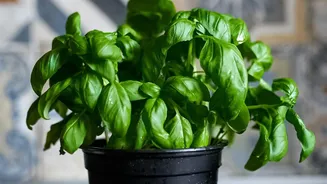
Basil, including the revered Tulsi, is a staple in many Indian homes and a wonderful addition to a monsoon garden. It thrives with about four to six hours of sunlight, so an east-facing balcony is often ideal. The biggest mistake with basil during the rains is overwatering. Only water the plant when the top inch of soil feels dry to the touch. Plant it in a medium-sized pot with excellent drainage. To encourage a bushier plant with more leaves, regularly pinch off any flowering heads (manjiri) as soon as they appear. This directs the plant's energy into producing the fragrant leaves you want for your kitchen and prayers.
Mastering Mint (Pudina)
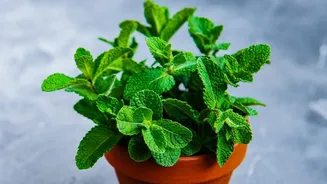
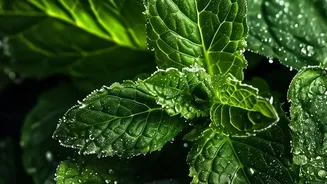
Mint is one of the easiest herbs to grow and is perfectly suited for the monsoon's moist conditions. However, it's an aggressive grower, so it's best to give it its own pot to stop it from taking over. A wide, shallow container is often better than a deep one, as mint spreads through runners. It prefers a spot with partial shade or gentle morning sun. Keep the soil consistently moist but never soggy. Excellent drainage is still a must. Harvest mint frequently by snipping the top stems; this will encourage the plant to grow fuller and give you a constant supply for chutneys, drinks, and garnishes. Its strong scent also naturally helps repel pests like aphids and ants.
Growing Lemongrass
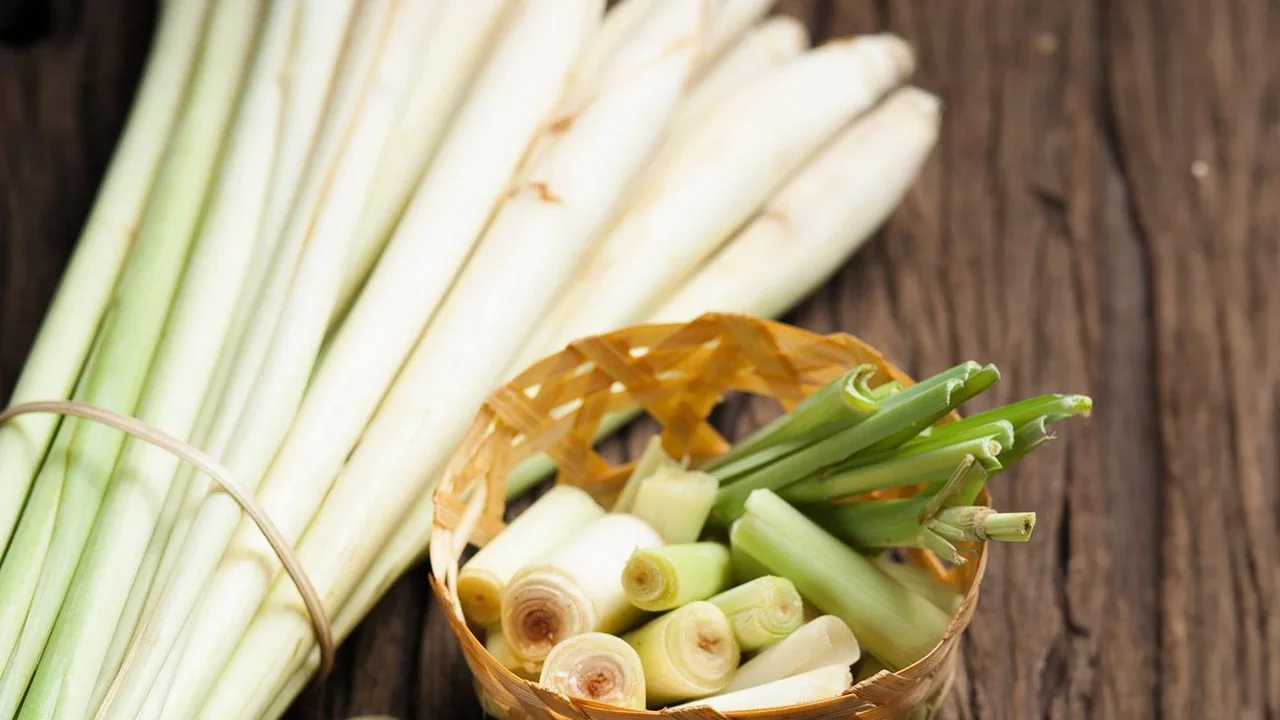
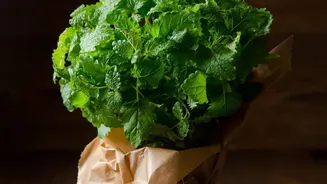
The refreshing aroma of lemongrass is a wonderful addition to any balcony garden. This tropical grass loves warmth and moisture, making the monsoon a great time for it to grow. Plant it in a large, deep pot to accommodate its root system. Like basil and mint, it needs well-drained soil to prevent its roots from sitting in water. Lemongrass enjoys plenty of sun, so a spot that gets several hours of direct light is best. Water it regularly, but allow the soil to dry slightly between waterings, especially on days with no rain. You can trim any dry or yellowing leaves to keep the plant healthy and encourage new growth. Its natural oils, including citronella, can help repel mosquitoes.
Handling Pests Organically
High humidity can invite pests. For common issues like aphids or whiteflies, a simple spray of diluted neem oil is a fantastic organic solution that's widely used in Indian gardening. Mix about 5ml of neem oil with a litre of water and a few drops of mild liquid soap to help it emulsify. Spray this mixture on the tops and undersides of leaves in the evening to avoid burning the foliage in the sun. This acts as a repellent and disrupts the life cycle of many pests without harming beneficial insects like bees. Regularly removing any dead or yellowing leaves also helps prevent pests and diseases from taking hold.