


A New Reality for Our Gardens
For generations, a lush, green lawn and vibrant, thirsty flowers were the pinnacle of garden aesthetics. This ideal, however, was born in a time of different climate realities. Today, gardeners across the country are grappling with hotter summers, prolonged
droughts, and increased water restrictions. The United Nations has projected that global freshwater demand could exceed supply by a significant margin by 2030, making water conservation a critical issue for everyone. In many regions, outdoor water use, primarily for landscaping, accounts for a staggering portion of household consumption—sometimes over 50%. This unsustainable model is prompting a necessary evolution in how we approach our outdoor spaces. The shift is not just about saving money on water bills, which can be substantial, but about ensuring our gardens can survive and thrive in a more unpredictable climate.
Beyond Cacti and Gravel
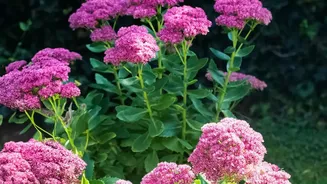
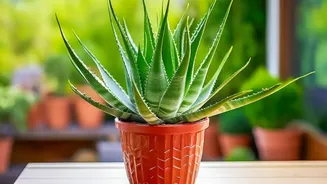
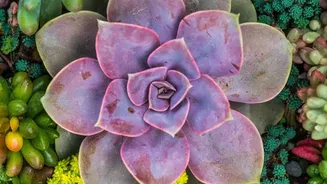
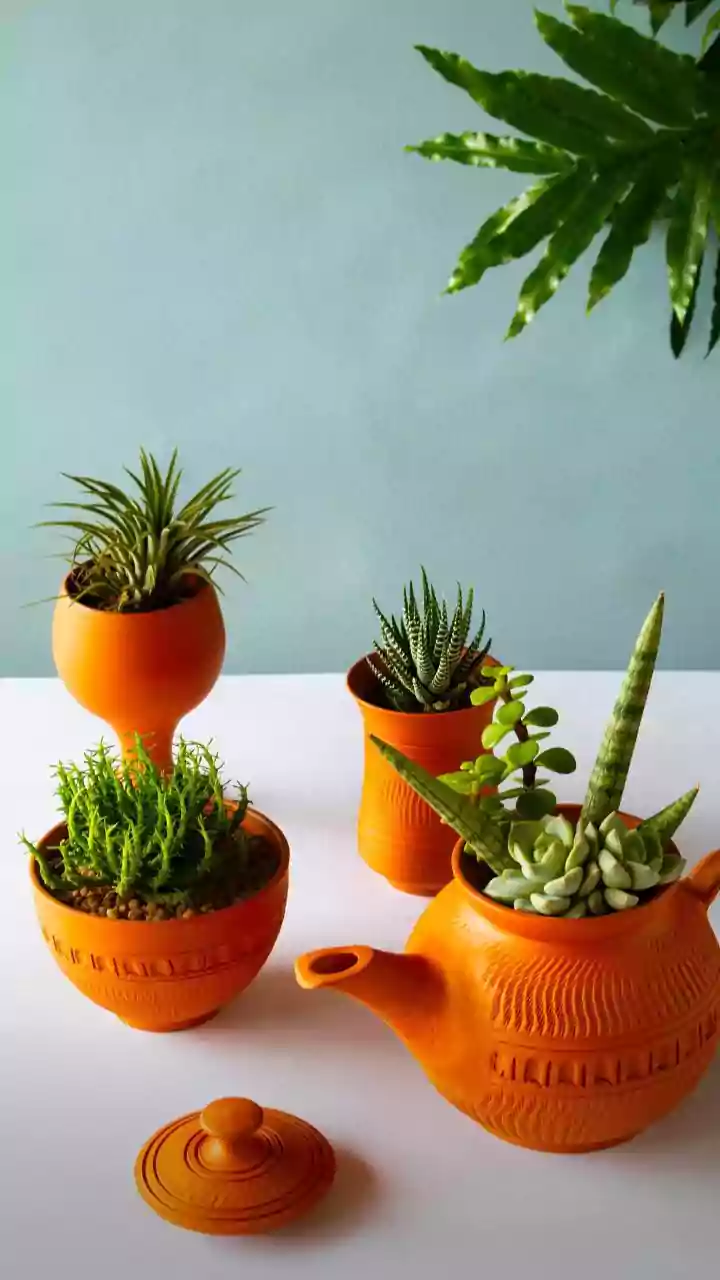
When people hear “low-water gardening” or “xeriscaping,” many imagine a stark landscape of rocks, gravel, and a few lonely cacti. This is a common misconception. In reality, a water-wise garden can be a lush, colourful, and vibrant space teeming with life. The core idea is not about restriction, but about smart design and intelligent plant selection. It involves working with your local climate instead of fighting against it. The principles are straightforward: improve your soil with organic matter to increase water retention, use mulch to reduce evaporation, group plants with similar water needs together (a practice called hydrozoning), and choose plants that are naturally adapted to your region's rainfall patterns. By embracing these methods, you create a garden that is not only beautiful but also ecologically sound, providing habitat for pollinators and reducing runoff.
Meet the Water-Wise All-Stars
The key to a successful low-water garden is choosing the right plants. Fortunately, the options are far more diverse than most people realize. Many native plants are naturally drought-tolerant because they have evolved over millennia to thrive in local conditions. Think of perennials like Purple Coneflower (Echinacea), Blanket Flower (Gaillardia), and Catmint (Nepeta), all of which offer stunning blooms with minimal water once established. Ornamental grasses like Pink Muhly Grass provide texture and movement. For shrubs, consider varieties of Salvia, which are celebrated for their long blooming season and appeal to pollinators like bees and butterflies. Even many classic garden favorites, such as Lavender, Yarrow, and certain varieties of Daylily, are surprisingly resilient in dry conditions. The goal is to create a layered, diverse planting that offers year-round interest while drastically reducing your reliance on the hose.
Small Steps to a Big Shift
Transforming your entire garden overnight can feel daunting. The good news is, you don’t have to. Starting small is the most effective approach. Begin by amending the soil in one of your garden beds with compost; healthy soil is the foundation of a resilient garden because it holds moisture more effectively. Add a two- to three-inch layer of organic mulch, like shredded bark, around your existing plants. This simple step can significantly reduce water evaporation from the soil surface and suppress weeds that compete for moisture. Another practical step is to reduce the size of your lawn, which is often the thirstiest part of a landscape. You can replace a section of turf with a beautiful bed of drought-tolerant groundcovers or perennials. When you do water, do it deeply and infrequently in the early morning to encourage deep root growth and minimize evaporation. These small, manageable changes can collectively lead to a significant reduction in water use and a healthier, more sustainable garden.