


Beyond Beige: A Sophisticated 90s Palette
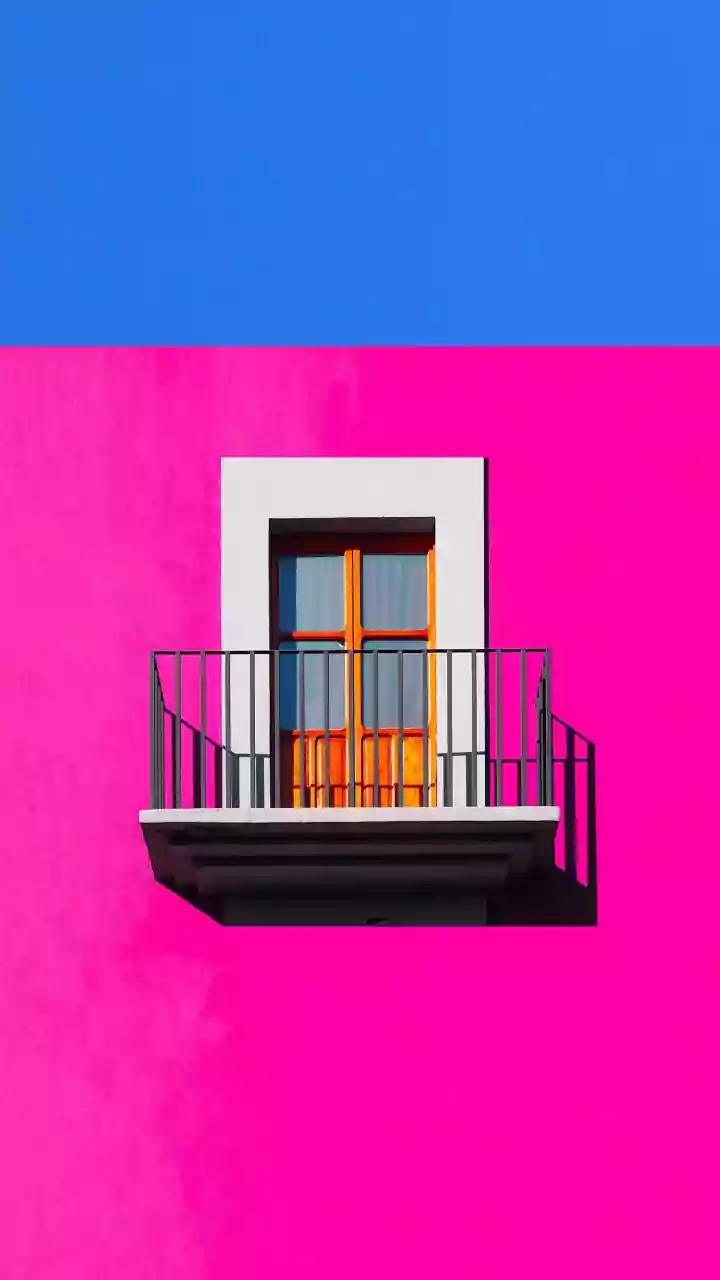
The colour story of the 1990s was more complex than we remember. While beige was certainly a dominant force, it was often part of a richer, earth-toned landscape. Deep, saturated colours like hunter green, burgundy, and navy blue were used to create cozy,
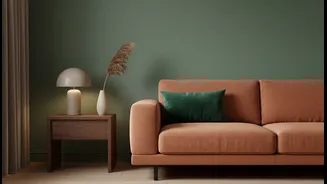
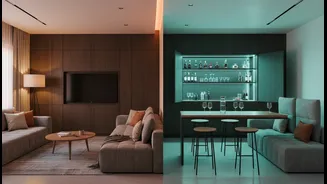
enveloping spaces. The 2026 version of this trend isn't about painting every wall a dark hue. Instead, it's about using these colours with intention. A forest green accent wall in a bedroom can add depth and tranquility. A single piece of furniture in a rich oxblood or dusty mauve can anchor a room full of lighter neutrals. The key is balance. These stronger colours pop when used thoughtfully against a backdrop of warm whites, creams, and soft greys, creating a look that’s moody and sophisticated, not dated.
The Softer Side of Minimalism
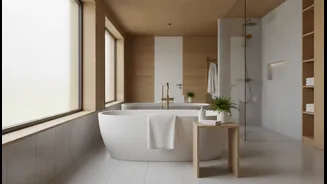
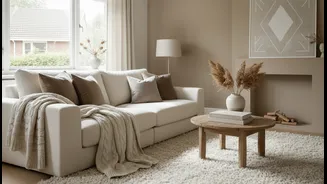
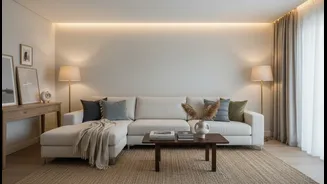
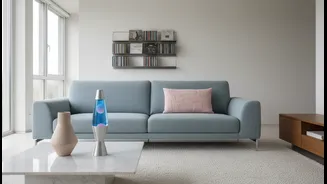
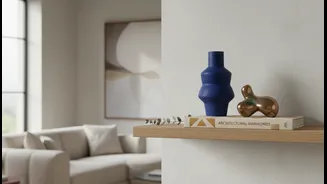
While one side of the 90s embraced pattern, another, more enduring movement was a softer take on minimalism. Emerging as a reaction to the sharp angles and excess of the 80s, this aesthetic prioritized comfort, clean lines, and a sense of calm. It wasn’t the stark, cold minimalism of an art gallery, but a lived-in version focused on functionality and tranquility. Think comfortable, overstuffed sofas with rounded arms, but reimagined today in performance linen or velvet. The goal is to create spaces that feel uncluttered but also deeply inviting. It’s less about having nothing and more about ensuring every piece justifies its presence through beauty or function. This approach feels surprisingly contemporary, aligning with our current desire for homes that serve as peaceful retreats from a busy world.
Natural Woods and Textures Return
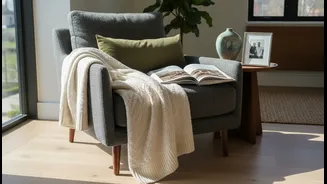
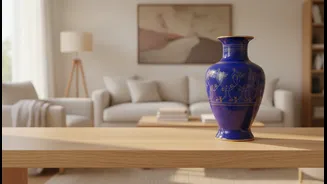
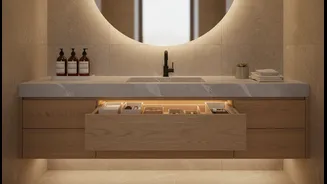
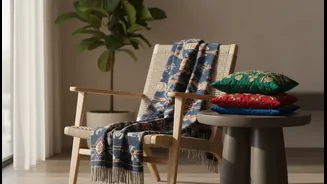
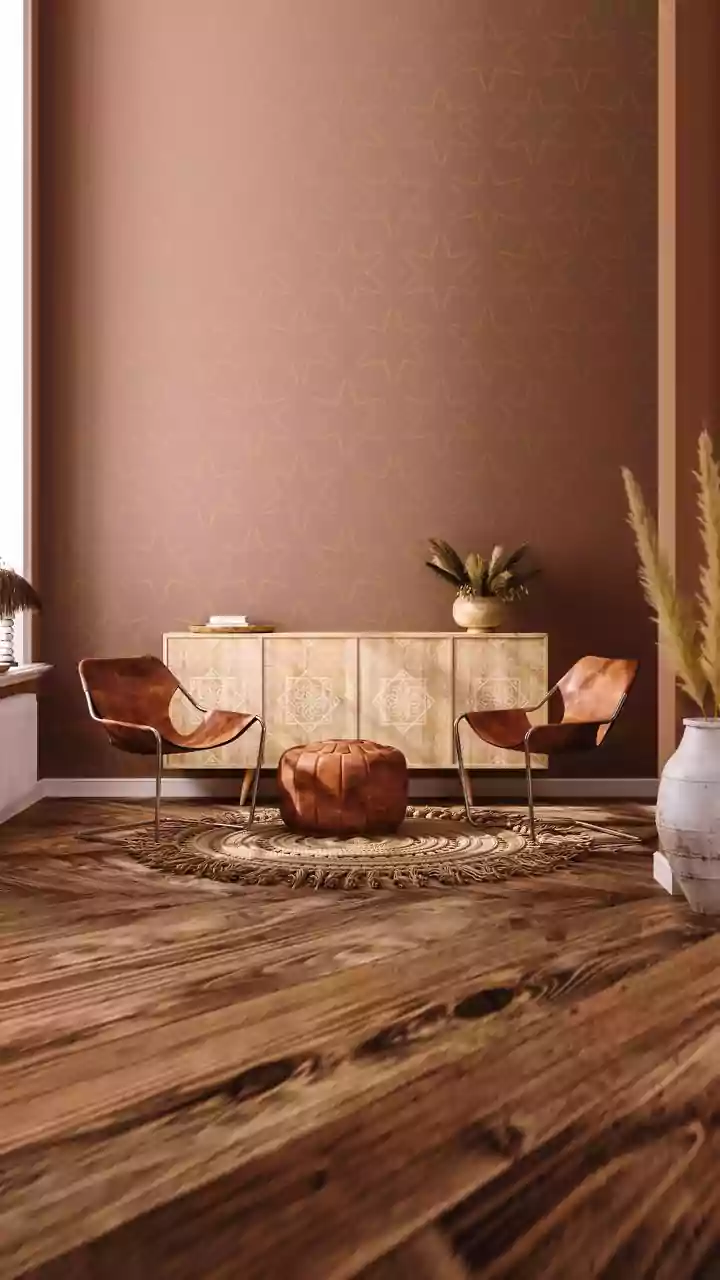
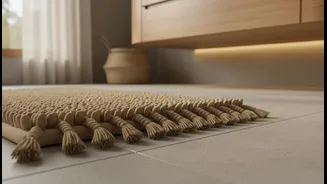
Honey oak and pine were staples of the 90s home, and now they're back, but with a significant update. Forget the orange-toned, glossy finishes; today's revival celebrates the natural beauty of lighter woods. European oak flooring, pale wood furniture, and cane-fronted credenzas bring warmth and texture without the heaviness of their predecessors. These materials pair beautifully with matte surfaces and simple, contemporary hardware, which strips away any dated feel and highlights their organic charm. The emphasis on natural materials extends to textiles as well. Layering textures—a nubby wool rug, linen curtains, and soft cotton throws—over a neutral palette creates that calm, curated feeling, proving that a beige-on-beige scheme can feel rich and complex, not boring.
Curated, Not Cluttered: The Art of the Edit
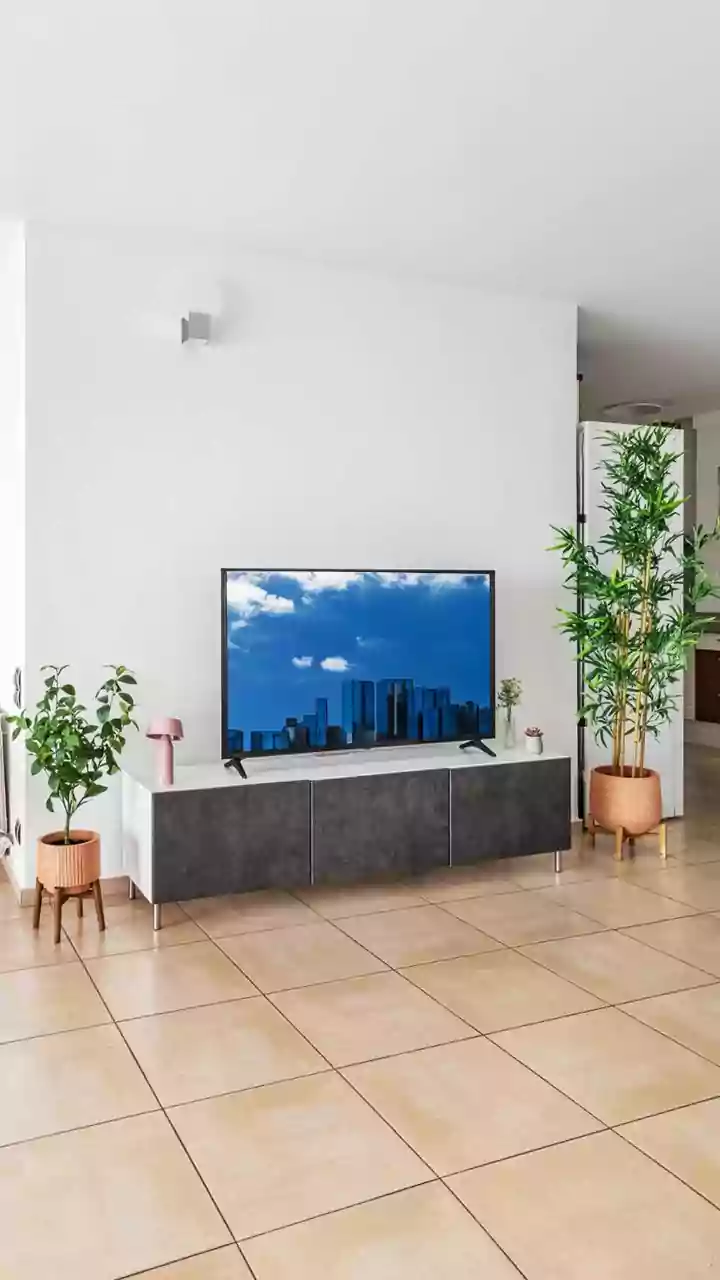
The single most important rule for bringing 90s style into the present is to curate, not copy. A home filled from top to bottom with era-specific pieces will feel like a time capsule. The most successful spaces layer elements from different periods. Pair a rounded, 90s-style sofa with sleek, contemporary lighting or a sculptural side table for compelling contrast. Instead of busy floral wallpaper, consider a modern, large-scale botanical print on a single accent wall. The hulking entertainment centers of the past can be reimagined as streamlined, low-profile media consoles. Look for quality vintage pieces that feel timeless and integrate them with your existing decor. The goal is to evoke a feeling of warm familiarity and comfort, not to create a museum exhibit of a bygone decade.
Finishing Touches: Chrome, Glass, and Curves
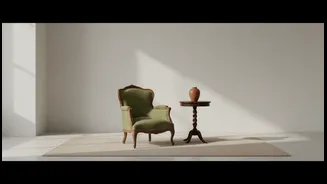
Certain details instantly signal a 90s influence. Chrome and glass, once used for clunky coffee tables, are being reimagined in more sculptural, design-conscious forms. Think of an airy glass pendant light, a sleek shelving unit that keeps sightlines open, or a tabletop resting on a statement base. Rounded silhouettes are also key. From curved sofas and barrel chairs to arched doorways and wavy mirrors, these softer shapes reject the hard edges that can make a space feel severe. They add a playful, inviting quality that is central to the modern 90s revival. It’s about choosing forms that feel both comfortable and visually interesting, adding a touch of personality that feels both nostalgic and forward-looking.