




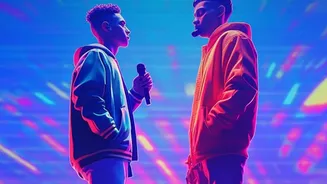


The TikTok Audition
The journey to a new favorite song for many Gen Z listeners now begins with a 15-second clip. Platforms like TikTok have fundamentally rewired music discovery, turning it into a visual, bite-sized experience. Recent reports show that social media is the
top way Gen Z discovers music, with over half of 16-to-24-year-olds naming TikTok as a primary source. Songs no longer need a gradual build on the radio; they can explode into the cultural consciousness overnight through a viral dance, a meme, or a compelling slice of a music video. This initial exposure is less about the song as a whole and more about a specific, catchy moment—the hook. According to a Luminate music impact report, a staggering 84% of songs that entered the Billboard Global 200 in 2024 first gained significant traction on TikTok. This has created a new top-of-the-funnel for the entire music industry, where a song's visual appeal and its ability to inspire user-generated content are just as important as its melody or lyrics.
From Curiosity to Fandom on YouTube
While a 15-second clip on TikTok might spark initial interest, YouTube is where that curiosity often blossoms into genuine fandom. After hearing a snippet in a short-form video, the next step for many listeners is to search for the full experience on YouTube. This platform serves as the home for the official music video, lyric videos, live performances, and behind-the-scenes content that together create a richer world around a song. Data from Deloitte's 2024 Digital Media Trends survey found that 82% of Gen Z discover new artists or music through social media and user-generated video sites, a journey that frequently leads to a high-intent YouTube search. This second step is crucial. It’s where visual storytelling moves beyond a simple loop and becomes a more deliberate artistic statement. A well-crafted music video provides context, enhances a song's emotional impact, and helps establish an artist's brand and identity, turning a fleeting viral moment into a more durable connection.
The Artist as Visual Director
This shift places a new demand on artists: they must be as much visual storytellers as they are musicians. A song is no longer just an audio file; it’s the centerpiece of a multimedia package. The music video isn't just a promotional tool; it's an essential layer of the art itself that shapes how listeners perceive the music. This visual narrative can build a world around an album, convey a political message, or reveal a vulnerable side of an artist that audio alone cannot. It provides an immediate emotional and aesthetic context that helps a song stand out in an incredibly saturated market. For independent and emerging artists especially, a powerful visual concept can be a game-changer, allowing them to forge a strong identity and connect with a global audience on platforms like YouTube. The most successful artists today understand that their visual output—from official videos to the aesthetic of their social feeds—is a critical part of their creative expression.
When the Visual Defines the Song
In this new landscape, the visual elements sometimes become as iconic as the music itself. Think of Kate Bush's "Running Up That Hill" finding a massive new audience after its pivotal placement in Stranger Things, or Fleetwood Mac's "Dreams" re-entering the charts thanks to a viral TikTok video. In these cases, the visual context didn't just promote the song; it gave it a new layer of meaning for a new generation. The line between the song and its visual representation blurs. The visual storytelling becomes inextricably linked to the listening experience, influencing how the music is remembered and shared. This trend rewards artists who can create a cohesive and compelling visual world around their sound, offering fans multiple entry points to connect with their work. The song becomes more than something to listen to; it becomes a scene to step into.