

Why This August is Special
While Saturn will reach its peak viewing condition, known as opposition, on October 4, 2026, the weeks leading up to it are a fantastic time for observation. Throughout August, Saturn will be rising earlier and growing steadily brighter in our night sky.
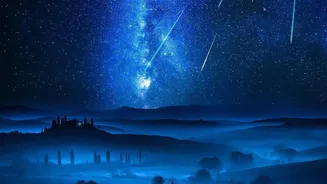
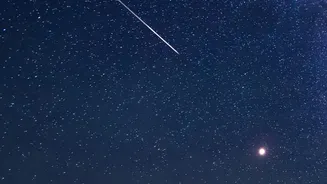
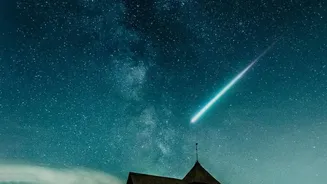
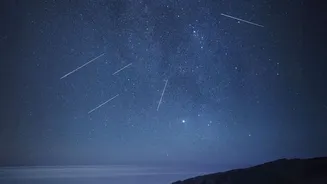
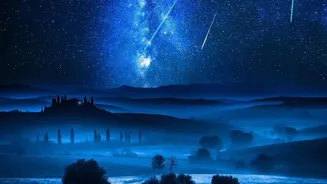
It will be visible for much of the night, rising in the east a few hours after sunset and remaining well-positioned for viewing into the early morning hours. This extended visibility provides a flexible window for families, making it easier to find a clear night and a convenient time to head outdoors. Additionally, the famous Perseid meteor shower also peaks in mid-August, meaning your Saturn hunt might come with the bonus of a few shooting stars.
What You Will Need
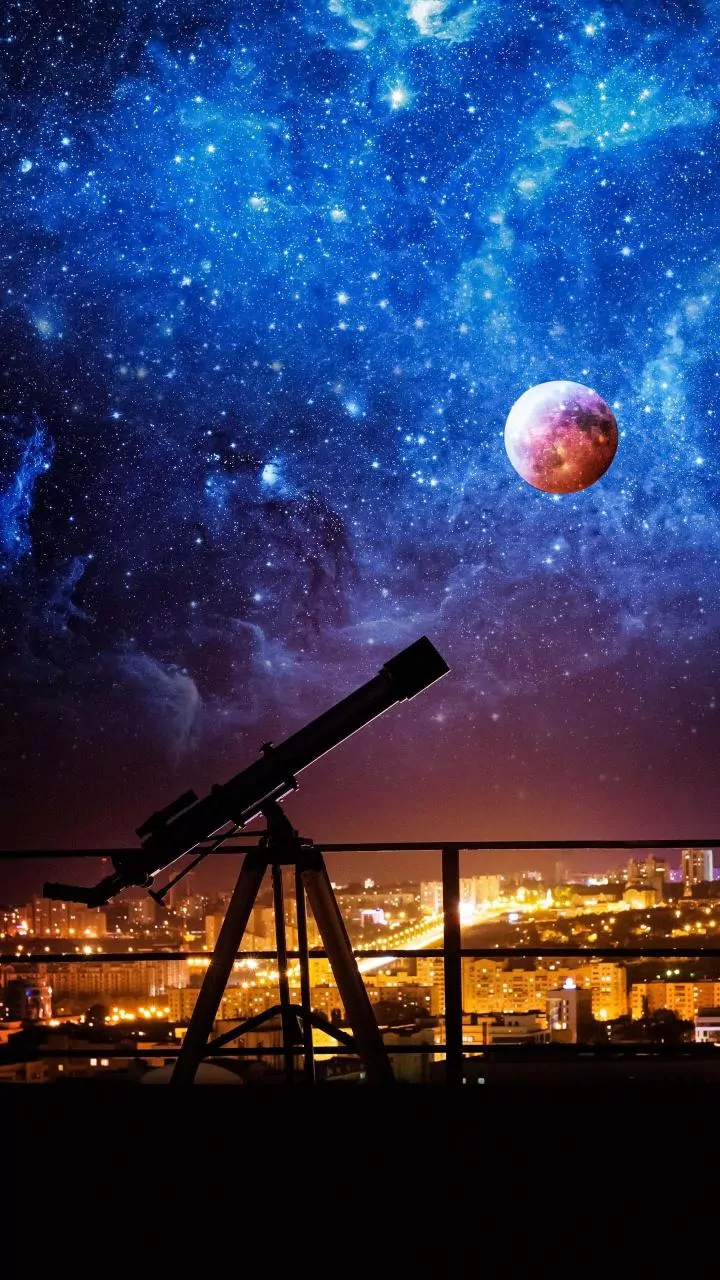
The great thing about planet-gazing is that you can start with very little. Saturn is one of the few planets visible to the naked eye. It will appear as a bright, steady, yellowish point of light. A key trick for kids is to teach them that stars twinkle, but planets usually don't. To get a better look, a standard pair of binoculars will make Saturn appear larger and more distinct. But to see its most famous feature—the magnificent rings—you will need a telescope. Even a modest beginner's telescope will reveal the rings, a sight that is sure to inspire awe. Beyond that, pack for comfort: a blanket or chairs to sit on, some warm clothes, and maybe a flask of hot chocolate to make the experience cosy and fun.
How to Find the Ringed Planet
Finding Saturn is easier than you might think. During August 2026, it will be located in the constellation Pisces. Look towards the eastern sky a couple of hours after sunset. As the night progresses, it will travel across the southern sky. The easiest way to confirm you’ve found it is to use a stargazing app on your smartphone. These apps use your location to show you a real-time map of the sky, making it simple to identify planets. The Moon can also be a helpful guide; on the night of August 30th into the 31st, the Moon and Saturn will appear close together, making the planet especially easy to pinpoint.
Making the Night Magical for Kids
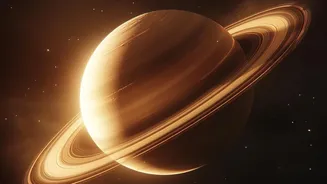
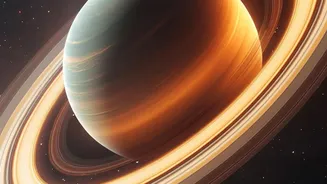
The goal is to spark curiosity, not to deliver a long lecture. Keep the viewing session short and exciting. Before you go out, show them pictures of Saturn and its rings to build anticipation. When you find it, tell them some simple, amazing facts. Mention that Saturn is so big that about 764 Earths could fit inside it, yet it's the least dense planet and would float in a giant bathtub of water. Talk about its incredible system of rings, which are made of countless chunks of ice and rock. Explain that Galileo, the first person to see the rings through a telescope, initially thought he was looking at a planet with “ears.” You can also talk about Saturn's many moons—it has more than any other planet, with over 80 confirmed.
A Memory to Last a Lifetime
Stargazing is an activity that encourages patience and wonder. It can take about 20-30 minutes for your eyes to fully adjust to the dark, so use that time to simply lie back and look at the stars. Don't worry about getting a perfect, crystal-clear view through a telescope on the first try. The real magic lies in the shared experience of searching for and finding another world in the vastness of space. For a child, seeing that steady point of light and knowing it’s a giant, ringed planet millions of kilometres away can be a core memory that fuels a lifelong interest in science and the universe.