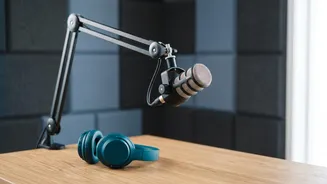







The New Audio Heartland
For years, India's digital content landscape was centered around a few major metropolitan hubs. But the ground is shifting. A potent combination of affordable high-speed data, widespread smartphone penetration, and a young, ambitious population has ignited
a content creation boom in Tier 2 and Tier 3 cities. At the forefront of this movement are Gen Z podcasters, who are turning their bedrooms and balconies in cities like Indore and Patna into broadcast studios. These creators are tapping into a massive, underserved market of listeners who crave content in their own languages and dialects, reflecting their own culture and concerns. The growth is explosive, with some forecasts predicting India's podcast market will grow at a compound annual growth rate of over 27% through 2034.
Democratization Through Technology
The barrier to entry for content creation has never been lower. Today’s Gen Z creator doesn’t need a swanky studio or expensive equipment. A smartphone with a decent microphone, a quiet corner, and a compelling idea are often enough to get started. Platforms like Spotify and JioSaavn have heavily invested in creator tools and are actively promoting regional content, making it easier than ever for a podcaster from Patna to be discovered by a listener in Pune. This technological democratization allows for a diversity of voices that was previously unimaginable. The content reflects this, moving beyond a handful of genres to cover everything from exam preparation and local folklore to niche comedy and vernacular storytelling. Short-form video clips on platforms like Instagram Reels and YouTube Shorts have also become a primary engine for discovering new podcasts, allowing creators to hook new listeners with compelling 60-second snippets.
Voices of the New Generation
While specific listener numbers for individual creators can be hard to pin down, the trend is clear. In Indore, a hub for education and commerce, you might find a 22-year-old creator whose podcast offers career advice and self-improvement tips in Hinglish, resonating with thousands of students and young professionals. Meanwhile, in Patna, a creator might find a dedicated audience for a podcast that humorously dissects local politics or revives the region's rich history of oral storytelling. These creators succeed because they are authentic. They are part of the community they speak to, giving them a level of trust and relatability that larger media houses struggle to replicate. Topics that dominate include self-improvement, entertainment, crime thrillers, and education—genres with a proven track record of engaging Indian audiences.
The Path to Monetization
Building an audience is the first step; turning it into a career is the next. While monetization remains a challenge, Tier 2 creators are finding innovative ways to earn a living. Initially, this often comes from host-read advertisements from local businesses who see value in reaching a targeted, engaged community. As their audience grows, so do the opportunities. Programmatic advertising, brand collaborations, and affiliate marketing become viable options. A significant shift has also been the rise of direct audience support. Creators are increasingly using platforms that allow for subscriptions, memberships, and direct payments via UPI, offering premium content like ad-free episodes or exclusive community access to their most loyal fans. This direct-to-fan model provides a more stable revenue stream and deepens the creator-listener relationship.
Why Brands Are Listening
National and global brands are taking notice of this Tier 2 podcast boom. These creators offer something invaluable: a direct line to a young, aspirational, and previously hard-to-reach demographic. Advertising within these podcasts feels less like an interruption and more like a recommendation from a trusted friend, leading to higher engagement. For companies looking to expand beyond the saturated metro markets, sponsoring a popular podcast in Indore or Patna is an authentic way to build brand loyalty. As the podcast ecosystem matures, the infrastructure of agencies and standardized rate cards is expanding to include these regional-language creators, bridging the gap that once existed between them and major advertisers.