








The Rise of the AI Meeting Assistant
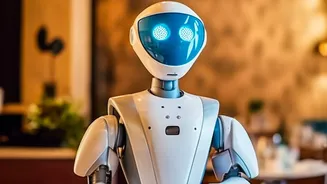
The modern meeting often includes an unfamiliar attendee: an AI bot. Tools like Otter.ai, Fireflies.ai, and Fathom have become increasingly common, promising to be the perfect secretary. These AI assistants join a virtual or in-person meeting, automatically
record the conversation, and produce a full transcript. But their real power lies in what comes next: within minutes of the meeting's end, they deliver a concise summary, identify key action items, and create a searchable, shareable record of everything that was said. For busy professionals juggling back-to-back calls, the appeal is obvious. It frees them from the task of taking notes, allowing them to be more present and engaged in the conversation.
The Case for Automated Efficiency
Advocates for AI assistants point to a long list of benefits. The primary advantage is comprehensive capture. Unlike a human who might miss a key detail, the AI records everything verbatim, creating a flawless record for later reference. This digital transcript is instantly searchable, ending the frustrating hunt for a specific comment or decision buried in pages of scribbled notes. Collaboration is also simplified; the transcript and summary can be shared instantly with team members who couldn't attend. This level of efficiency promises to reduce the administrative burden that follows meetings, saving hours of work and ensuring alignment across teams.
The Enduring Power of Pen and Paper
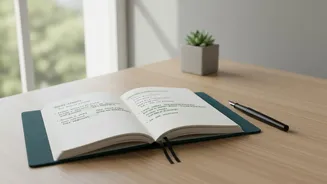
Despite the tech onslaught, many professionals refuse to give up their notebooks. The classic method of note-taking persists not out of nostalgia, but because of its proven cognitive benefits. Numerous studies have shown that the physical act of writing things down by hand enhances memory and retention. When we write, we are forced to process and summarize information in our own words, a cognitive step that typing often bypasses. This deeper level of processing helps to solidify concepts and leads to better understanding and recall long after the meeting has concluded.
Why Handwriting Still Wins for Focus and Creativity
A notebook offers a distraction-free zone. There are no notifications, no tempting browser tabs, and no software updates to interrupt your focus. This allows for deeper engagement with the speaker's points. Furthermore, the flexibility of a blank page is unmatched. It allows for doodles, diagrams, and mind maps—forms of visual thinking that can spark creative connections and insights that a linear transcript cannot. For many, the act of writing by hand is a meditative practice that aids concentration and helps organize thoughts in real-time, making it a powerful tool for active listening and critical thinking.
Privacy, Security, and Other Drawbacks
Neither method is perfect. The biggest concerns with AI assistants revolve around privacy and security. Having a third-party bot record sensitive internal discussions, client conversations, or strategic planning sessions can pose significant risks. There are questions about where the data is stored, who has access to it, and how it might be used to train AI models. This has led some organizations to ban their use entirely for confidential matters. On the other hand, handwritten notes are slow, can be illegible, are difficult to share, and offer no backup if the notebook is lost.
The Hybrid Approach: A New Best Practice
Increasingly, professionals are realising the debate isn't about choosing one method over the other. The most effective solution often lies in a hybrid approach. Use the AI assistant for what it does best: creating a comprehensive, searchable record of the conversation. This provides a safety net, ensuring no detail is lost. Simultaneously, use a notebook for its cognitive benefits: to actively listen, synthesize key concepts, jot down personal insights, and map out connections. This strategy combines the passive, total recall of technology with the active, focused processing of the human brain, offering the best of both worlds.