



The Burnout of Calorie Counting
For many, the journey to healthier eating begins with an app and a goal: a specific number of calories per day. While this can provide initial structure, it often morphs into a source of stress. This approach, known as quantitative eating, reduces food
to mere numbers, ignoring the vast differences between 100 calories of a sugary biscuit and 100 calories of almonds. It can foster a restrictive mindset, leading to feelings of guilt over 'bad' foods and an unhealthy obsession with data. This constant mental calculation takes the joy out of eating and can be socially isolating. More importantly, it’s often unsustainable. Life is full of festive meals and spontaneous treats that don’t fit neatly into a spreadsheet, leading to a cycle of restriction and rebound.
Enter the Humble, Powerful Dal
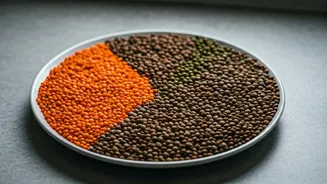
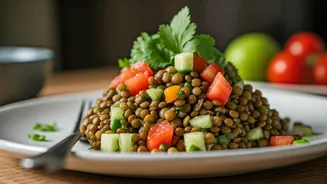
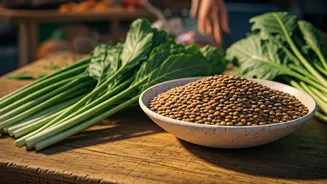
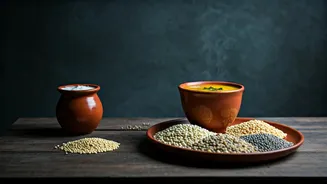
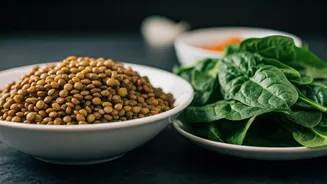
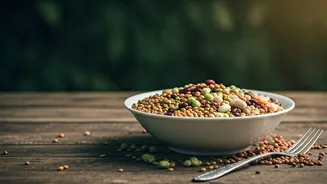
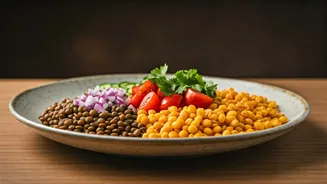
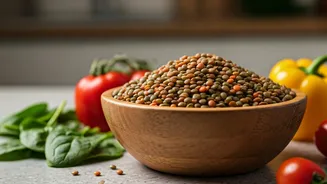
Now, consider a bowl of dal. This staple of Indian cuisine is more than just comfort food; it's a nutritional powerhouse that forms the perfect foundation for a different approach. Lentils are packed with plant-based protein, which is essential for muscle repair and keeping you feeling full. They are also rich in dietary fibre, which aids digestion, helps stabilise blood sugar levels, and contributes significantly to satiety. This combination of protein and fibre is key. Unlike simple carbohydrates that can cause a quick spike and crash in energy, the complex carbohydrates in dal provide a slow, steady release of fuel. This means a single serving of dal can keep you feeling satisfied for hours, naturally reducing the urge to snack on less nutritious options. It’s the opposite of empty calories; it’s nutrient-dense satisfaction.
The Innate Wisdom of the Thali
The real magic happens when we zoom out from the dal to the entire plate, or the traditional 'thali'. The Indian thali is a masterclass in balanced nutrition, perfected over centuries. It isn't a diet plan; it's a holistic way of eating. A typical plate includes a protein source (dal, paneer, or chickpeas), a variety of vegetables (sabzi), a source of complex carbohydrates (roti or brown rice), and often a probiotic (curd or yoghurt). This combination naturally provides a complete profile of macronutrients—protein, carbs, and healthy fats—along with essential vitamins, minerals, and fibre. There’s no need to count or track because the balance is built-in. The variety of colours and textures isn't just for aesthetics; it ensures a wide range of nutrients and antioxidants.
How to Build Your Balanced Plate
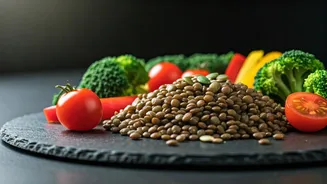
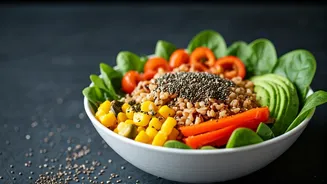
You can adopt this 'thali mindset' for any meal without needing a special plate. Use a simple visual guide. Imagine your plate divided into three sections. Fill half of it with non-starchy vegetables—think spinach, bhindi, lauki, or a fresh salad. These are low in calories but high in fibre, water, and micronutrients. Fill one-quarter of your plate with a lean protein source. This is where your dal, chana, rajma, or a lean chicken or fish preparation goes. The final quarter should be for your complex carbohydrate—one or two rotis (preferably whole wheat), a small portion of brown rice, or other whole grains like millet. Add a small serving of healthy fat, like a spoonful of ghee or a side of curd, and you have a complete, satiating, and nutritionally balanced meal that requires no counting.
Listen to Your Body, Not an App
Switching from calorie counting to a balanced plate model is ultimately about shifting from external rules to internal cues. A meal rich in protein and fibre, like the one described, helps regulate your body’s hunger hormones, ghrelin and leptin. This makes it easier to practice intuitive eating—eating when you’re hungry and stopping when you’re full. Instead of asking, 'How many calories are in this?', you start asking, 'Will this nourish me?' and 'Am I actually hungry?'. This approach fosters a healthier, more respectful relationship with both food and your body. It allows for flexibility and enjoyment, making it a far more sustainable path to long-term well-being than any strict counting regimen could ever be.