





A New Era for Indian Skies
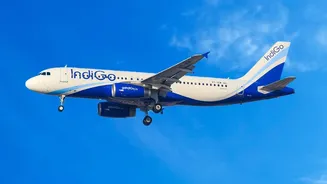
The year 2026 marks a significant turning point for Indian aviation. A combination of factors, including ambitious fleet expansions by carriers like IndiGo and Air India, and the inauguration of major new airports, is creating unprecedented international
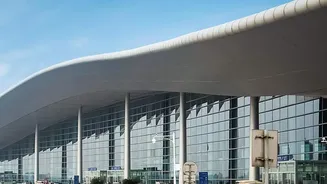
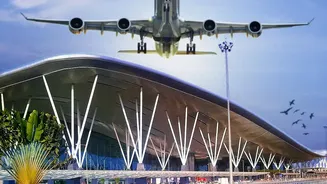
connectivity. The launch of new greenfield airports, such as Noida International Airport (DXN) near Delhi and the phased opening of Navi Mumbai International Airport, are central to this strategy. These hubs are designed not just to ease congestion at existing metro airports but to attract new international routes and establish India as a global aviation gateway. This infrastructure push, coupled with a growing demand for direct travel, is enabling airlines to launch non-stop services to destinations that previously required layovers, drastically reducing travel time and improving passenger convenience.
Metro Hubs Lead the Global Push
As expected, India's largest cities are at the forefront of this expansion. Delhi (DEL) and Mumbai (BOM) continue to be the primary drivers of new long-haul connectivity. Air India, for instance, has bolstered its North American network. As of November 2026, the airline resumed non-stop flights from both Delhi and Mumbai to New York (JFK) and Newark (EWR) after airspace restrictions were eased, cutting travel time by up to five hours. Earlier in the year, Air India also launched a new service from Mumbai to Tokyo's Haneda airport (HND). Meanwhile, IndiGo has also made strides, introducing direct flights from Delhi and Mumbai to Athens. This focus on major hubs ensures that the highest-demand business and leisure routes receive enhanced service, leveraging state-of-the-art aircraft to make intercontinental travel more seamless than ever.
Southern and Eastern Gateways Connect New Markets
The expansion isn't limited to just Delhi and Mumbai. Airports in southern and eastern India are also adding exciting new international links. Air India Express has been particularly active, launching new services from Bengaluru to Dubai and Doha. Perhaps one of the most notable new routes is IndiGo's direct flight from Chennai to Réunion Island, the first non-stop service by an Indian carrier to the French overseas territory. In the east, Kolkata has gained a direct link to Shanghai, operated by IndiGo. Furthermore, Air India Express has made history by connecting Northeast India directly with the UAE, launching flights from Guwahati to both Dubai and Abu Dhabi, opening up a vital new gateway for the region's travellers.
The Rise of Non-Metro International Airports
A key part of India's aviation growth story is the increasing number of direct international flights from non-metro cities. This development saves travellers from smaller cities the hassle of taking a connecting domestic flight to a major hub. Air India Express has launched a direct service from Indore in central India to Abu Dhabi, providing a convenient option for a large catchment area. The government's focus on developing aviation infrastructure across the country, exemplified by Uttar Pradesh becoming the first state with five international airports with the opening of Noida International, is a clear indicator of this strategy. This decentralisation of international travel is making global destinations more accessible to millions of Indians outside the traditional metropolitan centres.
What This Means for Travellers
The proliferation of direct international routes brings a host of benefits for Indian passengers. The most obvious advantage is the significant reduction in travel time. A non-stop flight to New York, for instance, can be up to five hours shorter than one with a refuelling stop. This expansion also introduces more competition on key routes, which can lead to more competitive airfares. Airlines like IndiGo are aggressively expanding their international footprint, with plans to make international flights account for 40% of their capacity by 2030, a move that will further intensify competition. For travellers, this means more choices, greater convenience, and easier access to a wider range of global destinations for business, leisure, and visiting family and friends.