



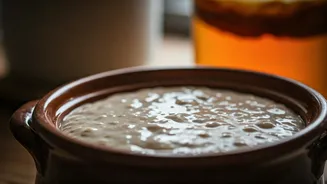


An Old Classic Gets a New Spotlight
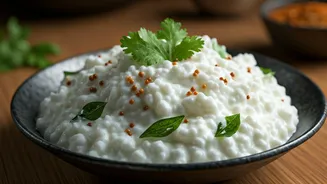
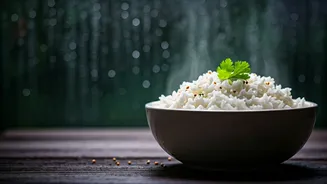
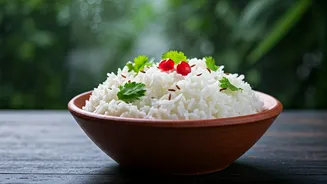
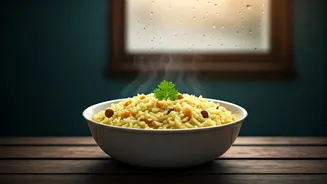
Curd rice, or thayir sadam, is more than just a dish; it's a feeling. It's the comforting meal at the end of a long day, the soothing balm for an upset stomach, and a non-negotiable part of countless South Indian meals. While traditionally seasoned with
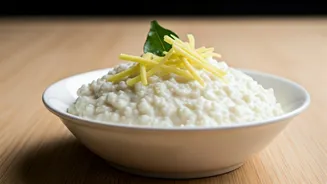
mustard seeds, curry leaves, and dried red chillies, a potent and flavourful ingredient is now taking centre stage: ginger. This isn't a radical reinvention but rather a popularisation of a classic variation. Food bloggers, wellness enthusiasts, and home cooks are championing the combination, reminding us that sometimes the best trends are simply a return to time-tested wisdom.
The Zingy Power of Ginger
So, why ginger? The answer lies in its powerful medicinal and culinary properties. Ginger is a powerhouse of gingerol, a substance with potent anti-inflammatory and antioxidant effects. For centuries, it has been used in traditional medicine to aid digestion, reduce nausea, and fight the common cold. When added to curd rice, finely chopped or grated ginger doesn't just cut through the creaminess of the curd with its sharp, spicy notes; it also supercharges the dish's digestive benefits. It helps stimulate digestive enzymes and soothe the gastrointestinal tract, making an already gut-friendly dish even more beneficial.
An Ayurvedic Match Made in Heaven
The pairing of curd and ginger is deeply rooted in Ayurveda. According to Ayurvedic principles, curd can be heavy (guru) and can sometimes increase kapha dosha, potentially leading to congestion or sluggishness, especially when consumed at night or during cold weather. Ginger, with its pungent (katu) and heating (ushna) properties, acts as the perfect counterbalance. It helps 'ignite' the digestive fire (agni), making the curd easier to digest and mitigating its cooling effects. This combination ensures you get the probiotic benefits of curd without the potential heaviness, creating a dish that is balancing, nourishing, and easy on the system.
Why It's Trending Now
The renewed interest in ginger-laced curd rice is no coincidence. In a world increasingly focused on gut health and natural immunity, simple, functional foods are gaining immense popularity. The conversation around the 'gut-brain axis' has made probiotics a household term, and curd is one of the most accessible sources. The trend reflects a collective shift towards mindful eating and leveraging everyday ingredients for their health benefits. People are looking for food that not only tastes good but also makes them feel good. Ginger curd rice fits this description perfectly—it’s simple, requires no fancy ingredients, and packs a dual punch of probiotic goodness and digestive support.
How to Perfect Your Ginger Curd Rice
Making this dish is incredibly simple. Start with cooked, cooled rice. Mash it slightly with a spoon or your hand—this helps create that classic creamy texture. Mix in fresh, thick curd (yoghurt) and salt to taste. For the tempering (tadka), heat a little oil or ghee in a small pan. Add mustard seeds and let them splutter. Then, add urad dal for crunch, a pinch of asafoetida (hing), and a sprig of curry leaves. The star ingredient comes next: add about a teaspoon of finely grated or chopped fresh ginger and sauté for a few seconds until fragrant. You can also add a chopped green chilli for extra heat. Pour this aromatic tempering over the curd rice and mix well. For extra texture and flavour, consider adding grated carrots, chopped coriander, or pomegranate seeds.