








The Science of Urban Joy
That feeling of calm or delight when you spot an animal in the city isn't just a fleeting emotion; it's backed by science. The concept is known as 'biophilia'—the idea, popularised by biologist E.O. Wilson, that humans have an innate tendency to connect
with nature and other forms of life. Studies have repeatedly shown that even brief interactions with nature in an urban setting can reduce stress, lower blood pressure, and improve our overall mood. A meta-analysis of 49 studies confirmed that exposure to natural environments has a significant effect on increasing positive feelings and decreasing negative ones. In an increasingly urbanised world, these encounters provide a vital link to the natural world, which our minds may be biologically wired to crave.
India's Accidental Sanctuaries
As Indian cities expand, they inadvertently create new ecosystems where some species have learned to thrive. Mumbai, one of the world's most densely populated cities, is a prime example of urban coexistence, with leopards from Sanjay Gandhi National Park navigating the city's fringes. These big cats have adapted to the urban sprawl, using overgrown drains and railway lines to move at night, preying on stray dogs and pigs. In cities like Delhi and Jaipur, rhesus macaques and langurs have made temples and old buildings their new forests, demonstrating remarkable adaptability. These animals are not just visitors; they are residents, carving out a life in the spaces we build and transforming the urban landscape into a complex, living ecosystem.
Designing Cities for Coexistence
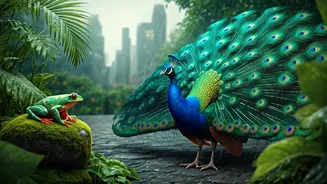
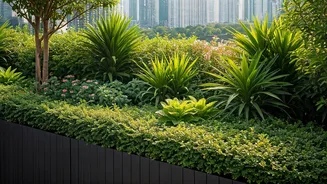
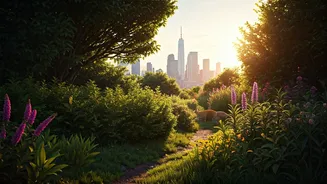
The growing recognition of wildlife's benefits is influencing how we design our cities. Architects and urban planners in India are increasingly embracing 'biophilic design,' an approach that intentionally integrates nature into the built environment. This can range from large-scale projects, like creating green corridors that connect fragmented habitats, to simpler measures like green roofs, living walls, and planting native species in parks and along streets. Projects like 'Biowonder' in Kolkata, a corporate park designed with biophilic principles, showcase how providing access to natural light and green spaces can improve employee well-being and productivity. These designs treat nature not as an afterthought, but as essential infrastructure for a healthy, resilient city.
The Challenge of Sharing Our Space
Of course, living alongside wildlife isn't always harmonious. Human-wildlife conflict is a significant issue in India, as expanding cities put pressure on natural habitats. Incidents range from monkeys stealing food in urban areas to more dangerous encounters with elephants or leopards on the peripheries of cities. These conflicts arise from competition over resources and the fragmentation of wildlife corridors by roads and buildings. However, experts argue that the solution isn't to remove wildlife, but to manage interactions more effectively. This involves proactive strategies like better waste management to avoid attracting animals, community education to foster understanding, and science-based policies that aim for coexistence rather than confrontation.