




More Than Just a Healthy Swap
For years, the conversation around using traditional grains like millets in modern baking has been centred on health. Millets are celebrated for being gluten-free, high in fibre, and rich in minerals. Unlike refined flour (maida), which offers little
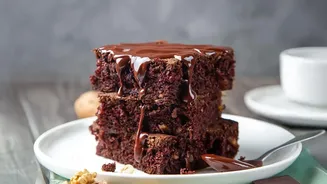
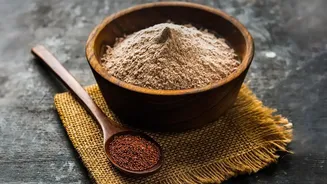
nutritional value, millet flours like ragi (finger millet), bajra (pearl millet), and jowar (sorghum) have a lower glycemic index, providing more stable energy. But to focus only on health is to miss the most exciting part of the story: the remarkable transformation of flavour and texture. Swapping maida for millet flour isn't a compromise; it's a culinary upgrade that can make your brownies more interesting and delicious.
A Revolution in Flavour and Texture
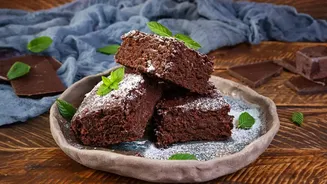
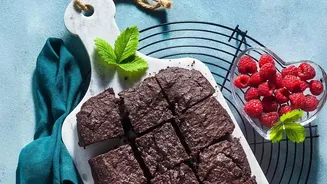
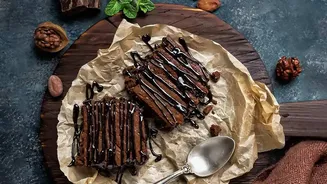
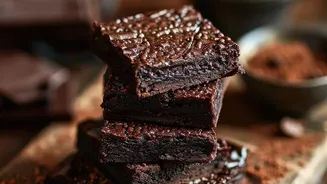
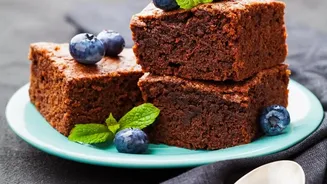
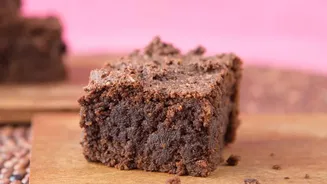
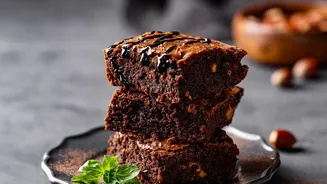
The primary change you'll notice is in the taste profile. While refined flour is largely neutral, millets bring their own distinct character to the table. Bajra, for instance, has a pronounced earthy and slightly nutty flavour that beautifully complements the bitterness of dark chocolate. Ragi offers a deeper, malt-like taste that enhances the richness of cocoa, resulting in a brownie that feels more wholesome and satisfying. Jowar is milder, with a subtle nutty sweetness that allows the chocolate to remain the star while adding a layer of complexity. The texture also undergoes a significant shift. Because millet flours lack gluten and absorb more moisture, they tend to create a denser, fudgier, and moister brownie. If you are a fan of gooey, melt-in-your-mouth brownies over cakey ones, millet flour is your secret weapon.
Choosing the Right Millet for Your Brownie
Not all millet flours are created equal, and the one you choose will have a direct impact on the final product. For a bold, rich, and deeply chocolatey brownie, ragi is an excellent choice. Its inherent flavour pairs wonderfully with coffee or dark chocolate chips folded into the batter. If you prefer a nuttier undertone, bajra is the way to go; its rustic character is fantastic when combined with walnuts or pecans. For those new to millet baking, jowar is a great starting point. Its flavour is less assertive than other millets, making for a brownie that’s closer to the classic but with a more interesting texture and a healthier profile. Some bakers even find that a blend of millet flours creates the most balanced result.
Tips for Baking with Millet Flours
Baking with millet flour is not a direct one-to-one substitution for maida. These ancient grains behave differently. First, millets are thirsty flours and tend to absorb more liquid. You may need to slightly increase the amount of milk, oil, or butter in your recipe to avoid a dry outcome. Second, because they are gluten-free, they don't have the same binding properties. Ingredients like eggs, yoghurt, or even mashed bananas can help provide structure and moisture. Many recipes also suggest letting the batter rest for 10-15 minutes before baking. This allows the flour to fully hydrate, resulting in a better texture. Finally, don't be afraid to experiment. Start by substituting a portion of the refined flour, perhaps 25-50%, with millet flour and see how you like the results before going all in.