



The Western Ghats: A Symphony of Green
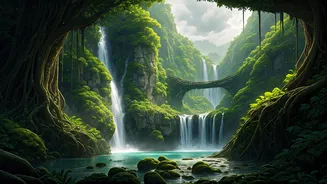
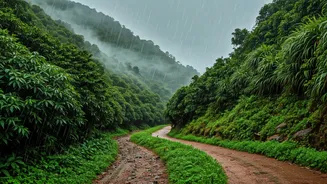
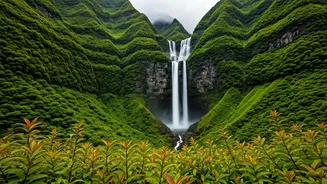
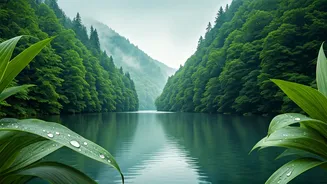
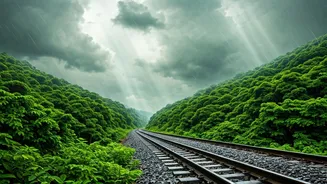
While many travelers head for the beaches of Goa in the dry winter, the real spectacle unfolds from June to September just inland. The Western Ghats, a mountain range running parallel to India's west coast, sheds its parched summer skin and erupts in impossible
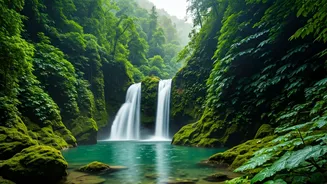
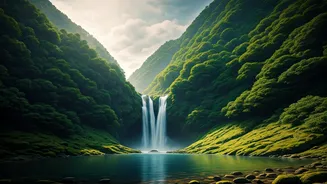
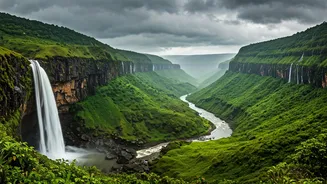
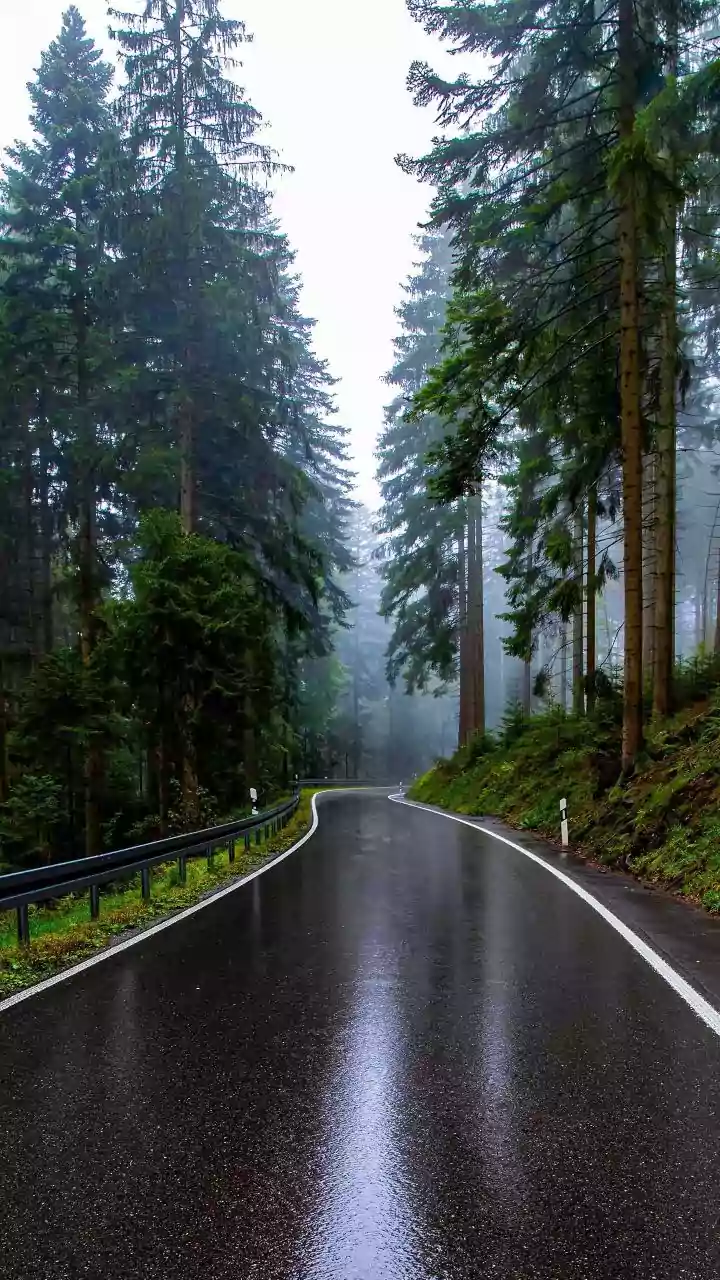
shades of green. This is the time for road trips through mist-shrouded hills in states like Maharashtra and Karnataka. Roadsides become impromptu parking lots as locals and travelers alike stop to admire hundreds of temporary waterfalls cascading down black rock faces. Hill stations like Lonavala, Mahabaleshwar, and Malshej Ghat, once sleepy colonial-era retreats, buzz with a new energy. It's a landscape in motion—dramatic, cool, and overwhelmingly alive.
Kerala: The Backwaters Reimagined
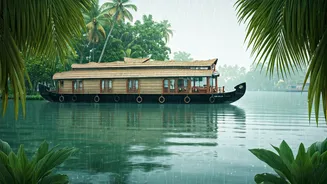
Cruising the backwaters of Kerala on a houseboat is a classic Indian travel experience, but doing it during the monsoon is a completely different sensory immersion. The heat and humidity of peak season are replaced by cool breezes and the rhythmic drumming of rain on the thatched roof of your Kettuvallam. The network of canals and lagoons, already lush, becomes even more verdant. Palm trees glisten, rice paddies turn a fluorescent green, and the entire ecosystem seems to breathe a sigh of relief. It’s a quieter, more contemplative time to visit, perfect for watching the world drift by from the deck of your boat, a cup of hot chai in hand, as the rain cleanses the world around you.
Rajasthan: The Desert in Bloom
It seems counterintuitive to visit a desert state during the rainy season, but that’s precisely its hidden charm. The monsoon brings profound relief to the arid landscapes of Rajasthan. The ochre and brown tones of cities like Udaipur and Jaipur are suddenly offset by flashes of green. Most dramatically, the lakes that give Udaipur its moniker, “The City of Lakes,” fill to the brim, restoring the city to its full romantic glory. The Lake Palace appears to float once again on a full Lake Pichola, and the surrounding Aravalli Hills are cloaked in a soft green haze. It’s a fleeting beauty that few tourists get to witness, offering a unique perspective on a region often defined by its sun-baked grandeur.
Meghalaya: Embracing the Clouds
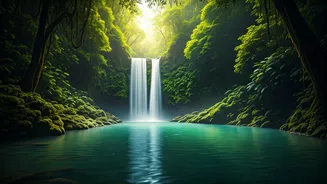
For the truly adventurous, heading to the source is the ultimate monsoon experience. Meghalaya, which translates to “Abode of the Clouds,” is home to some of the wettest places on Earth, including Cherrapunji and Mawsynram. This isn't a place for avoiding the rain; it’s a place for celebrating it. The downpours here are biblical, feeding colossal waterfalls like Nohkalikai Falls, which are at their most powerful and breathtaking during this season. It's also the best time to see the region's famous living root bridges—intricate structures woven from the roots of rubber trees by the local Khasi tribes—glistening with moss and moisture, looking like something out of a fantasy epic.
The Valley of Flowers: A Himalayan Surprise
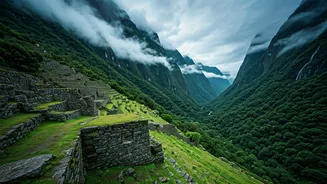
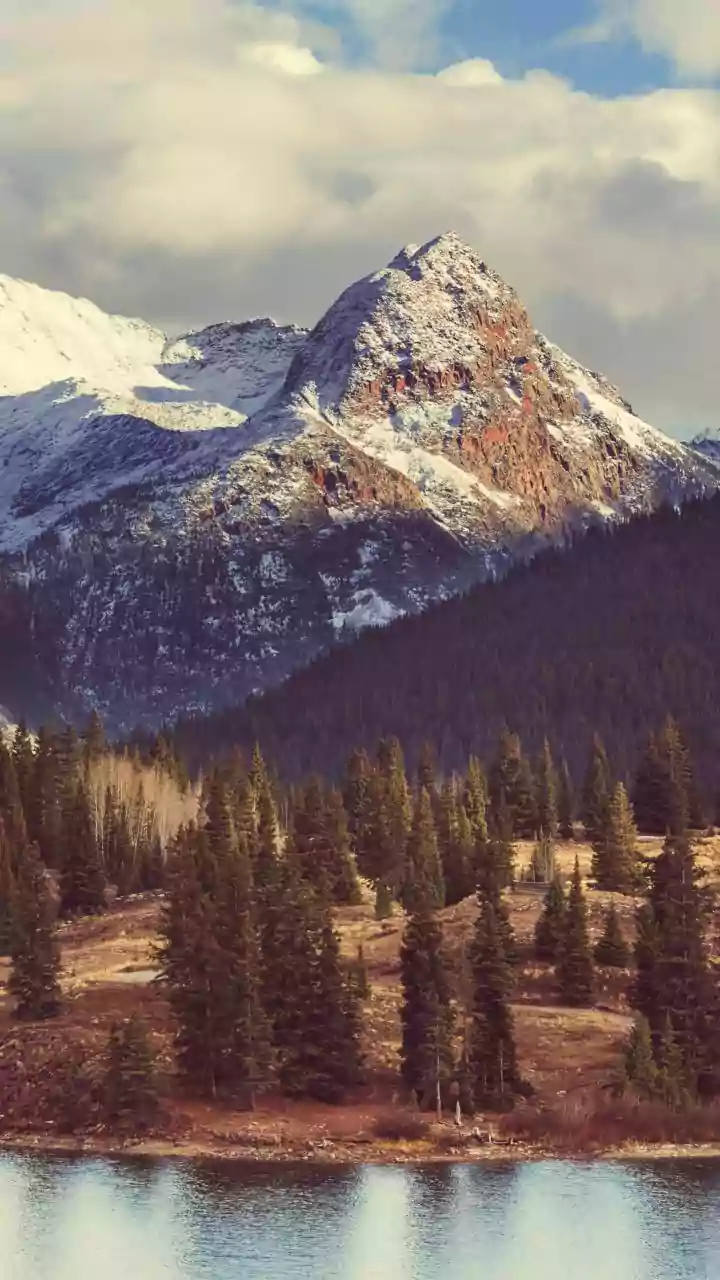
Tucked away in the high-altitude Garhwal region of Uttarakhand, the Valley of Flowers National Park is a UNESCO World Heritage Site that is only accessible for a few months a year. Its opening coincides perfectly with the monsoon. As the rains arrive, this alpine valley explodes into a carpet of over 300 species of wildflowers, from Himalayan blue poppies to elegant primulas. The trek to the valley is a journey in itself, passing through misty forests and alongside gushing streams. The monsoon clouds often hang low, parting occasionally to reveal the stunning floral display against a backdrop of snow-capped peaks. It is a rare and spectacular reward for those willing to embrace the mountain weather.