



Mastering the Liquid Rules
The most common reason for security delays is improperly packed liquids, aerosols, and gels (LAGs). In India, the rule is simple and strictly enforced by the Bureau of Civil Aviation Security (BCAS) for both domestic and international flights. Each liquid container
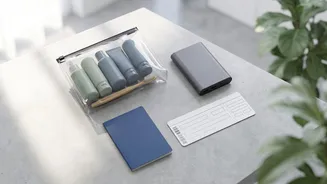
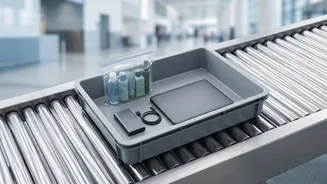
must be no larger than 100 ml. It doesn't matter if a 200 ml bottle is half-full; the container size itself is what counts. All these small containers must then fit comfortably inside a single, transparent, re-sealable plastic bag with a capacity of no more than one litre. Only one such bag is permitted per passenger. To save yourself the hassle, buy travel-sized toiletries or decant your favourites into 100 ml reusable bottles before you leave home. Medicines accompanied by a prescription and essential baby food are generally exempt, but you should declare them to security officers for inspection.
Taming Your Tangled Tech
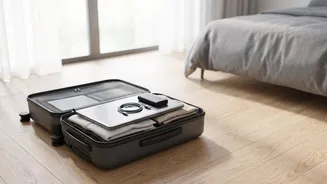
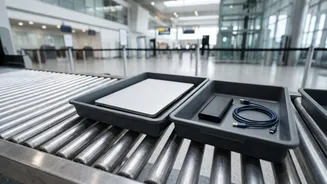
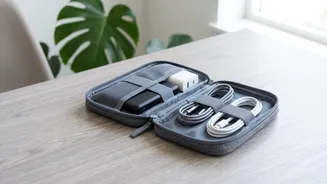
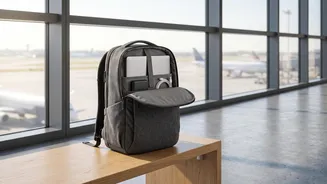
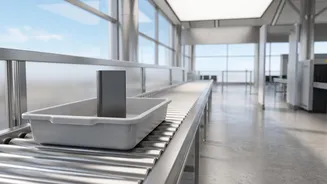
In our connected world, travelling without electronics is unthinkable. Laptops, tablets, power banks, and cameras are standard carry-on items, but they need to be packed for easy access. Security procedures at most airports require you to remove large electronic devices, like laptops, from your bag and place them in a separate tray for X-ray screening. To avoid a frantic search at the conveyor belt, pack your laptop in an easily accessible sleeve or a dedicated compartment in your backpack. This allows you to slide it out and back in without disturbing the rest of your luggage. Importantly, all spare lithium batteries and power banks must be in your carry-on luggage, not your checked bags. Keep cables and chargers neatly bundled, perhaps in a small pouch, to prevent a tangled mess and make any manual inspection quicker.
India's 'One-Bag' Carry-On Rule
A crucial point for travellers departing from Indian airports is the strict enforcement of the 'one-bag rule'. This BCAS regulation means you are permitted only one piece of hand baggage. Any additional items, such as a separate laptop bag or handbag, must fit inside this single carry-on bag. For economy class, this bag usually has a weight limit of 7 kg. To comply, choose a carry-on that is lightweight yet spacious. Consolidate your belongings before you reach the airport to avoid being forced to repack at the check-in counter or security gate. Your single bag must hold your tech, your liquid pouch, your personal items, and everything else you wish to take into the cabin.
Dressing for Screening Success
What you wear can also significantly impact your speed through security. Avoid clothing with numerous metal buckles or accessories that could set off the metal detector. Heavy jackets, belts with large metal buckles, and sometimes even steel-toed boots will need to be removed and placed in a tray. Opt for slip-on shoes, which are much faster to take off and put back on than complicated, laced-up boots. Before you reach the scanner, empty your pockets of all items—keys, coins, phones—and place them inside your carry-on bag or jacket pocket to be X-rayed. Being proactive about divesting these items saves time and avoids the need for a secondary pat-down.
Strategic Bag Organisation
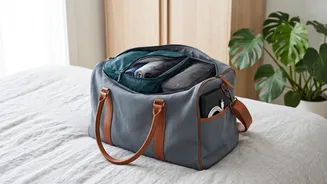
The key to an effortless security experience is having everything that needs to be screened separately placed at the top of your bag. This includes your one-litre liquid bag and any large electronics. Using packing cubes can help compartmentalise your belongings, keeping your bag tidy and making it easier to find what you need. An organised bag not only helps you at the security checkpoint but also makes it easier to repack quickly on the other side. An empty, reusable water bottle can be carried through security and refilled airside, saving you money and reducing plastic waste.